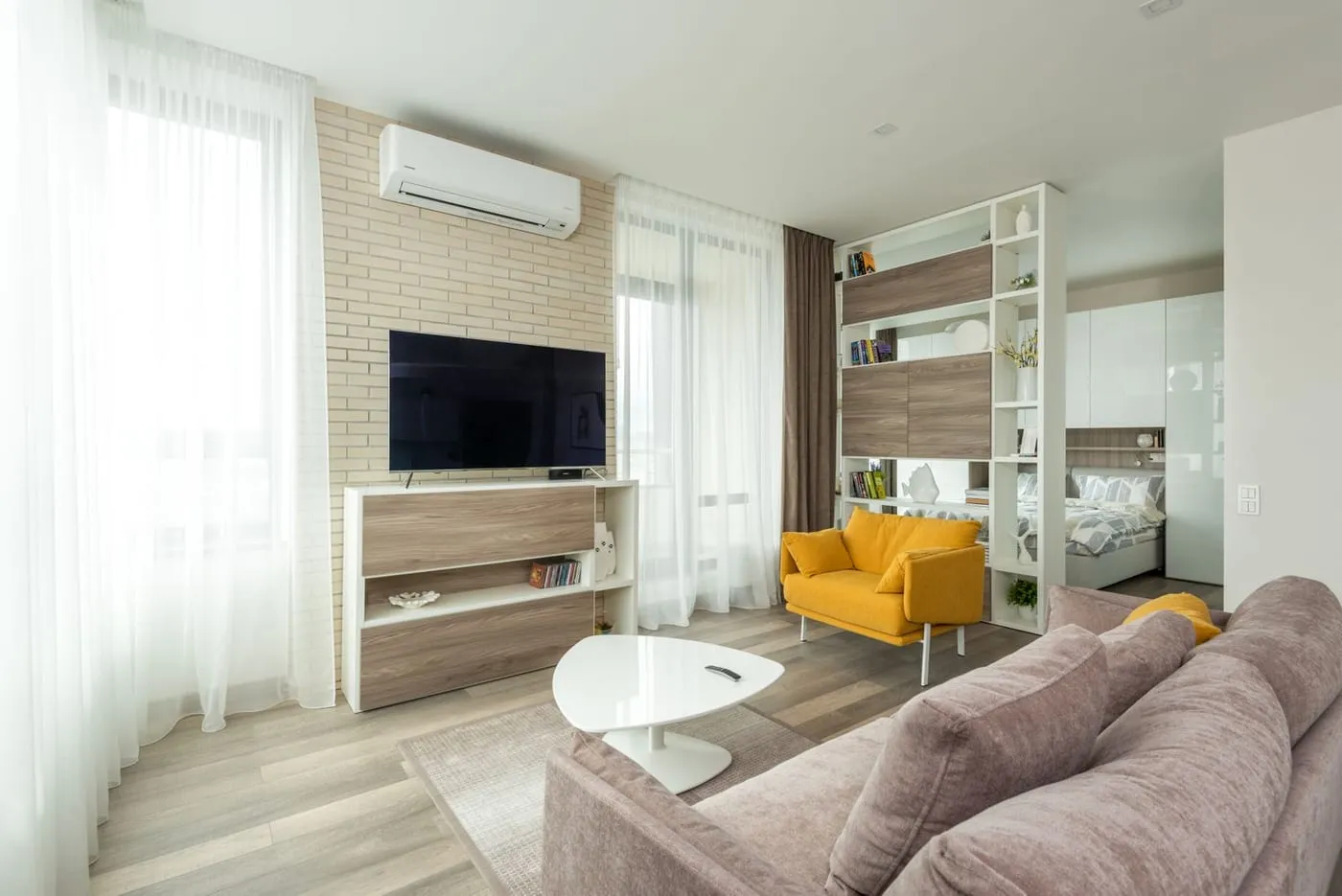
Condensation also affects how you arrange furniture — keeping pieces away from exterior walls matters. Our small apartment layout ideas guide covers placement rules for Canadian apartments, including heater clearances.
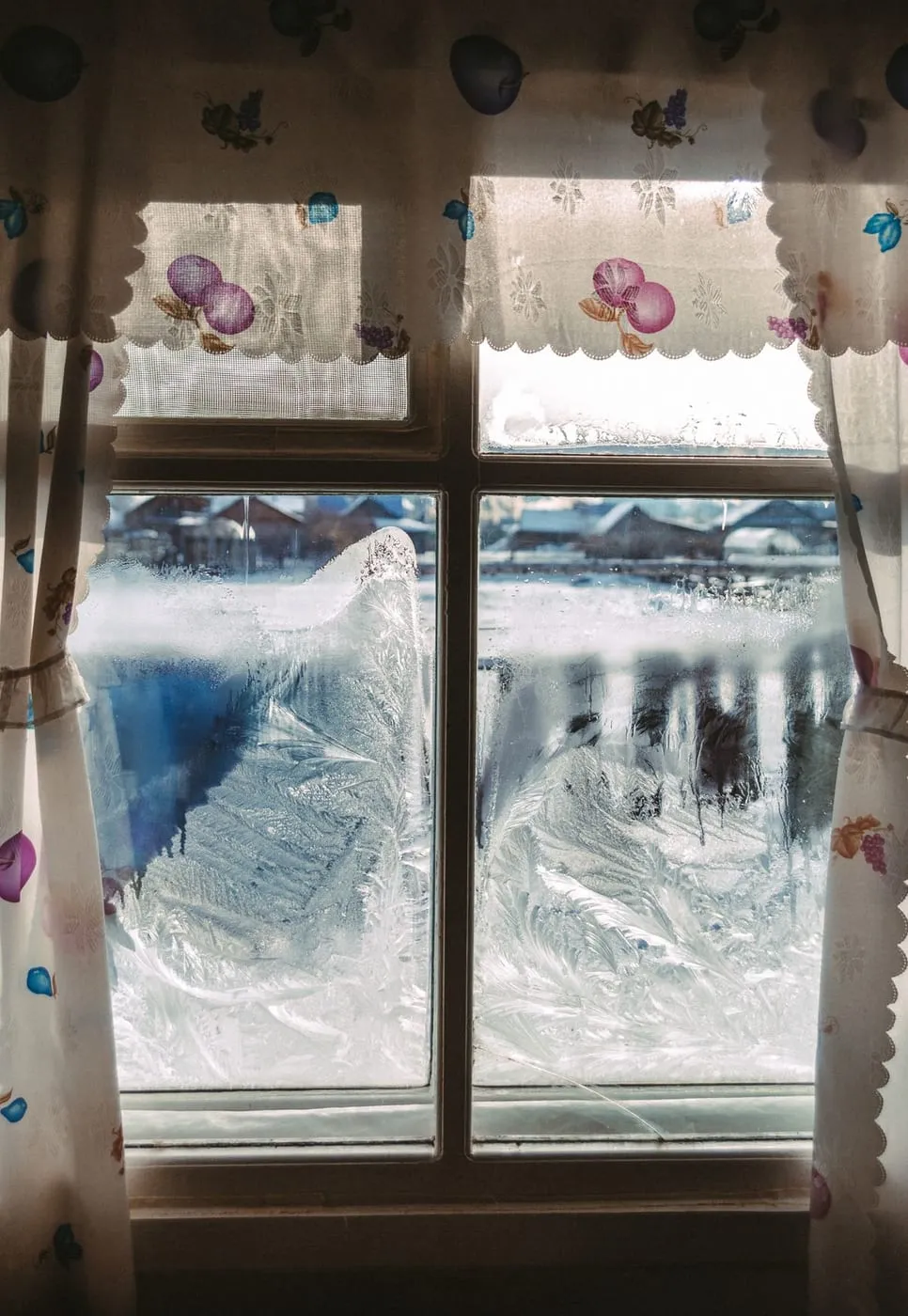
If you have ever woken up on a January morning to find your apartment windows dripping with water, ice forming along the bottom pane, or mysterious dark spots creeping into the corners of your walls, you are not alone. Condensation and humidity problems are among the most common complaints from Canadian apartment dwellers during winter. Understanding why these issues happen and how to manage them can save you from property damage, health problems, and ongoing frustration.
Health Canada’s residential indoor air quality guidance recommends keeping relative humidity between 30% and 55% in winter, with the lower end of that range reducing the condensation risk on cold window glass (Health Canada, 2025). A digital hygrometer ($10–$20 CAD at Canadian Tire) is the only way to know which end of that range your apartment actually sits at.
This guide covers everything you need to know: the science behind winter condensation, ideal humidity ranges, practical daily habits, equipment options, and a full troubleshooting reference.
Why Condensation Forms on Your Windows
Condensation is not a defect in your windows or your building. It is basic physics. When warm, moisture-laden indoor air contacts a cold surface, the air cools below its dew point and releases water. In Canadian winters, the temperature differential between your heated apartment interior (typically 20 to 22 degrees Celsius) and the outdoor air (which can drop to minus 30 or lower on the prairies) is enormous. Even high-quality double-pane windows cannot fully insulate against that gap.
Key takeaway: Window condensation in Canadian apartments is basic physics, not a building defect. When indoor air at 20–22°C contacts windows cooled by outdoor temperatures as low as minus 30°C, moisture forms on the coldest surface. If indoor humidity is high enough, condensation also appears on exterior walls and behind furniture against cold surfaces.
Your windows are the coldest surface in the room, which is why they collect moisture first. But if indoor humidity is high enough, condensation can also appear on exterior walls, inside closets pushed against outside walls, and behind furniture placed tight against cold surfaces.
Where Does All That Moisture Come From?
The average household generates a surprising amount of moisture every day:
- Breathing and perspiration: Two adults produce roughly 2 to 3 litres of moisture per day just by existing.
- Cooking: Boiling a pot of water releases about 1.5 litres of steam. A full dinner preparation can add 1 to 2 litres.
- Showering: A 10-minute hot shower produces approximately 0.5 litres of moisture.
- Laundry drying: A single load of laundry hung indoors releases 2 to 5 litres of water as it dries.
- Plants: Houseplants transpire moisture continuously. A collection of 10 to 15 plants can add measurable humidity.
- Aquariums: Open-top fish tanks evaporate water steadily.
- Dishwashing: Hand-washing dishes or running a dishwasher without proper venting adds moisture.
In a small apartment with limited ventilation, these sources add up quickly. The tighter and more energy-efficient the building, the less natural air exchange occurs, and the more moisture accumulates indoors.
Ideal Indoor Humidity Ranges by Outdoor Temperature
There is no single correct indoor humidity level for Canadian winters. The colder it gets outside, the lower your indoor humidity needs to be to prevent condensation on windows. The following ranges are widely recommended by organizations including the Canada Mortgage and Housing Corporation (CMHC) and HVAC professionals:
| Outdoor Temperature | Recommended Indoor Relative Humidity |
|---|---|
| 0 to minus 5°C | 40 to 45% |
| Minus 5 to minus 10°C | 35 to 40% |
| Minus 10 to minus 20°C | 25 to 35% |
| Minus 20 to minus 30°C | 20 to 25% |
| Below minus 30°C | 15 to 20% |
These numbers apply to standard double-pane windows. If your building has older single-pane windows, you will need even lower humidity to avoid condensation. Triple-pane windows or those with argon gas fill can tolerate slightly higher levels.
Invest in a digital hygrometer (available for $10 to $20 at Canadian Tire or Home Depot) and place it at eye level on an interior wall, away from the kitchen and bathroom. Check it regularly to understand your apartment’s humidity patterns.
The Two Extremes: Too Humid and Too Dry
Here is something that surprises many Canadian renters: winter apartment problems are not always about too much moisture. Many Canadian buildings, especially older towers with forced-air heating, have the opposite problem.
Too-Humid Apartments
Apartments that run too humid in winter tend to share certain characteristics. They often have electric baseboard heating (which does not move air), minimal mechanical ventilation, newer airtight construction with poor ventilation design, or occupants who cook frequently and dry laundry indoors.
Signs of excess humidity include condensation on windows every morning, water pooling on window sills, musty smell in closets or corners, peeling paint or bubbling wallpaper near exterior walls, and visible mould growth.
Too-Dry Apartments
Forced-air gas heating systems, common in many Canadian apartment buildings built from the 1960s through the 1990s, push large volumes of heated air through ducts. This air is extremely dry, often dropping indoor humidity below 20 percent. Cold outdoor air that infiltrates through gaps is also very dry because cold air holds almost no moisture.
Signs of overly dry air include static electricity shocks when touching metal or other people, dry and cracking skin especially on hands and lips, nosebleeds, sore throat upon waking, wood furniture cracking or joints loosening, and acoustic guitar tops cracking.
Both extremes cause problems, and some apartments swing between the two depending on the weather, cooking habits, and whether the heating system is running.
Equipment Options for Humidity Control
Dehumidifiers
Best suited for apartments with persistent humidity above 45 percent and visible condensation. A standard portable dehumidifier (30 to 50 pint capacity) costs between $200 and $400 and draws 300 to 600 watts. Place it centrally and empty the tank daily, or run a hose to a drain. Dehumidifiers work well but add heat to your space, increase your electricity bill, and generate noise.
For a studio or one-bedroom, a 30-pint unit is sufficient. For a larger two-bedroom apartment, consider a 50-pint model.
HRVs (Heat Recovery Ventilators)
An HRV exchanges stale indoor air for fresh outdoor air while recovering heat from the outgoing stream. Many newer Canadian apartment buildings (built after 2000) have HRV units built into each suite or a central system. If your apartment has an HRV, make sure it is running. Many tenants turn them off because of noise, not realizing it is their primary defence against moisture buildup.
Check for a small wall-mounted control panel, often near the thermostat or in the hallway. If you are unsure whether your building has an HRV system, ask your property manager.
Bathroom and Kitchen Exhaust Fans
These are your first line of defence and cost nothing extra to operate since they are already installed. Run the bathroom fan during every shower and for at least 20 minutes afterward. Many fans in apartment buildings are connected to a central exhaust shaft and run continuously at a low speed. If yours has a switch, use it. If the fan seems weak or barely moves air, report it to your landlord because clogged or broken exhaust fans are a common and fixable maintenance issue.
For kitchens, always use the range hood when cooking, especially when boiling, steaming, or frying. If your range hood vents internally through a filter rather than to the outside (common in many apartment kitchens), it will trap grease but not remove moisture. In that case, crack a window slightly while cooking in winter.
Humidifiers (For Too-Dry Apartments)
If your apartment is consistently below 25 percent relative humidity and you are experiencing dry-air symptoms, a humidifier can help. Evaporative humidifiers are safest and least likely to over-humidify. Avoid ultrasonic humidifiers if you have hard water, as they can deposit a fine white mineral dust on every surface.
A medium-sized evaporative humidifier ($200 to $350) can maintain comfortable humidity in a one-bedroom apartment. Clean it weekly to prevent bacterial and mould growth in the reservoir.
Practical Daily Habits to Control Moisture
These habits cost nothing and make an enormous difference:
Squeegee your windows daily. Keep a small squeegee or even a microfibre cloth near your worst-affected windows. Each morning, wipe down the condensation before it pools on the sill and seeps into the frame. This takes under two minutes and prevents most water damage.
Keep interior doors open. Closing bedroom and bathroom doors traps moisture in those rooms and creates cold spots. Keep doors open as much as possible to allow air circulation throughout the apartment.
Cook with lids on pots. This simple change dramatically reduces the moisture released during cooking. Use lids when boiling water, making soup, or steaming vegetables.
Position drying racks strategically. If you must dry laundry indoors (and most Canadian apartment dwellers do at some point), place the rack near a heat source and, if possible, near an open window or exhaust fan. Avoid drying clothes in bedrooms or closets. A single load of wet laundry releases litres of water into your air.
Ventilate briefly but intensely. Rather than leaving a window cracked all day (which wastes heat), open a window fully for five minutes two or three times a day. This creates a rapid air exchange that purges moisture without cooling your walls and furniture significantly.
Move furniture away from exterior walls. Leave at least 5 to 10 centimetres of space between large furniture (dressers, sofas, beds) and exterior walls. This allows air to circulate and prevents cold spots where mould can develop unseen.
Run ceiling fans on low in the “winter” direction. If your apartment has ceiling fans, set them to rotate clockwise on low speed. This pushes warm air down from the ceiling and improves circulation without creating a draft.
Mould Risk: When to Worry and What to Do
Mould is not just ugly. Certain moulds produce mycotoxins and spores that can trigger asthma, allergic reactions, and respiratory infections. In Canadian apartment law, mould is generally considered a maintenance issue that landlords must address when it results from building deficiencies (poor ventilation, leaking pipes, inadequate insulation). However, if mould results from tenant behaviour (blocking vents, never running fans, drying excessive laundry indoors), responsibility may fall on the tenant.
Early signs of mould:
- Black, green, or white fuzzy spots on walls, ceilings, or window frames
- A persistent musty or earthy smell
- Discolouration of grout in bathrooms
- Soft or spongy drywall near windows
What to do if you find mould:
- Document it with photographs and note the date.
- Report it to your landlord in writing immediately.
- For small areas (less than one square metre), clean with a solution of one part white vinegar to one part water. Do not use bleach on drywall as it does not penetrate and kills only surface mould.
- For larger areas or mould behind walls, professional remediation is required. This is the landlord’s responsibility in all Canadian provinces.
- Increase ventilation and reduce humidity sources in the affected area.
In Ontario, persistent mould that a landlord refuses to address can be brought to the Landlord and Tenant Board. In Quebec, the Tribunal administratif du logement handles such disputes. In British Columbia, the Residential Tenancy Branch has jurisdiction. The process varies, but the principle is consistent: landlords must maintain habitable conditions.
Troubleshooting Table
| Symptom | Likely Cause | Fix |
|---|---|---|
| Condensation on all windows every morning | Indoor humidity too high for outdoor temperature | Reduce humidity sources, increase ventilation, consider a dehumidifier |
| Condensation only on bedroom windows | Bedroom door kept closed at night, trapping moisture from breathing | Sleep with the door open or at least ajar |
| Condensation only on one window | That window may have a failed seal (fogging between panes) or face wind | Report to landlord if between panes (seal failure); use 3M window insulation film (~$26 CAD, covers 5 windows) if single-pane |
| Ice forming on inside of windows | Extremely cold outside and humidity is too high, or window seal has failed | Lower humidity to below 25% during extreme cold; report ice between panes to landlord |
| Water pooling on window sills | Condensation running down and collecting | Squeegee daily; place a folded towel on the sill to absorb and wring out daily |
| Mould on window frames or sills | Persistent moisture not being wiped away | Clean with vinegar solution, squeegee daily, address humidity |
| Mould in closet on exterior wall | Poor air circulation, cold wall | Move contents away from wall, keep closet door open, add a small fan or moisture absorber |
| Dry air, static shocks, cracking skin | Forced-air heating drying out the apartment | Add a humidifier, place water bowls near heat registers, reduce ventilation slightly |
| Musty smell with no visible mould | Hidden mould behind walls or under flooring | Report to landlord for investigation |
| Bathroom mirror stays fogged long after shower | Exhaust fan not working properly | Test fan by holding a tissue to the grille; if it does not stick, report to landlord for repair |
| Condensation on exterior walls (not windows) | Very poor insulation in that wall section | Report to landlord; this is a building envelope issue beyond tenant control |
Seasonal Transition Tips
In autumn (October through November): Start monitoring humidity as heating begins. This is the time to clean exhaust fan grilles, check that your HRV is running, and buy a hygrometer if you do not have one.
During deep cold snaps (December through February): Be vigilant about lowering humidity when the temperature drops sharply. A sudden plunge from minus 5 to minus 25 degrees can cause overnight condensation even in apartments that were fine the day before.
In spring (March through April): As outdoor temperatures warm, condensation typically resolves on its own. However, spring is the season to check for any damage winter moisture may have caused: water stains on sills, softened drywall, or mould that developed in hidden areas.
Managing humidity in a Canadian apartment during winter is an ongoing balancing act, not a one-time fix. The key is understanding the relationship between outdoor temperature and indoor moisture, then adjusting your habits and equipment accordingly. Most condensation problems can be solved with consistent daily habits (squeegeeing windows, running fans, cooking with lids) and relatively inexpensive equipment (a hygrometer, a dehumidifier or humidifier as needed).
If your building has systemic ventilation problems, failed window seals, or poor insulation, those are your landlord’s responsibility. Document issues, communicate in writing, and know your provincial tenant rights. But for the everyday moisture management that comes with living in one of the coldest countries on earth, the power is largely in your hands.
Related reading: