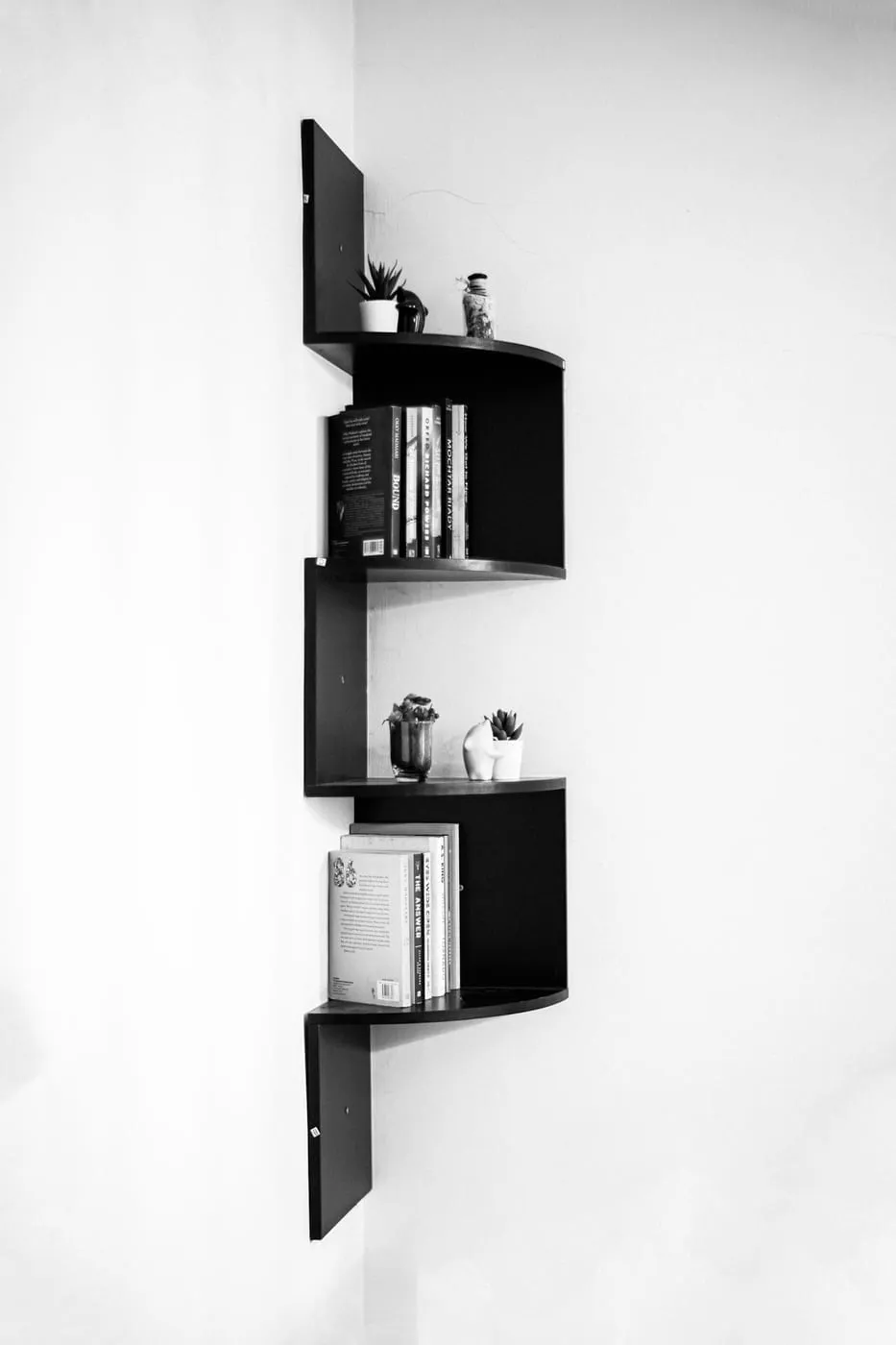
For layout and furniture placement ideas before decorating, our small apartment layout ideas guide covers how to plan around Canadian apartment constraints like baseboard heaters and narrow rooms.
Renting in Canada often means living with builder-beige walls, fluorescent overhead lighting, and the persistent feeling that you are not allowed to make the space your own. Many renters assume that any meaningful decor change requires landlord permission or risks losing part of the damage deposit. The good news is that dozens of impactful changes exist that leave absolutely no trace when you move out.
This guide covers 20 specific, tested decor changes grouped by area of your apartment. Each entry includes the type of product, approximate cost in Canadian dollars, and a difficulty rating. Everything listed here is fully removable and should not trigger any concern from a reasonable landlord or property manager.
A Quick Note on Provincial Lease Law
Canadian tenancy law varies by province, and the rules around what you can and cannot do to a rental unit differ:
Key takeaway: Canadian tenancy law varies by province, but a consistent principle applies: damage deposits can only be claimed for damage beyond normal wear and tear. In Ontario, hanging pictures with small nails is generally considered normal wear, while painting walls typically requires landlord consent under the Residential Tenancies Act, 2006.
Ontario: Under the Residential Tenancies Act, 2006, tenants are expected to maintain the unit in a reasonable state of cleanliness and repair. Painting walls generally requires landlord consent, but hanging pictures with small nails is widely considered normal wear and tear. The Landlord and Tenant Board hears disputes over what counts as damage versus wear and tear.
Quebec: The Civil Code of Québec requires tenants to use the property “with prudence and diligence.” Painting requires landlord authorization. However, removable modifications that leave no damage are generally not addressed because they do not alter the property.
British Columbia, Alberta, and other provinces: Similar principles apply under each province’s own residential tenancy legislation (BC’s Residential Tenancy Act, Alberta’s Residential Tenancies Act). Damage deposits can be claimed only for damage beyond normal wear and tear.
This is general information, not legal advice — check your specific lease and your province’s tenancy board if you’re unsure about a planned change.
The general rule across all provinces: if you can remove it completely and leave the wall, floor, or fixture in its original condition, it is not a lease issue.
Walls
1. Command Strip Gallery Wall
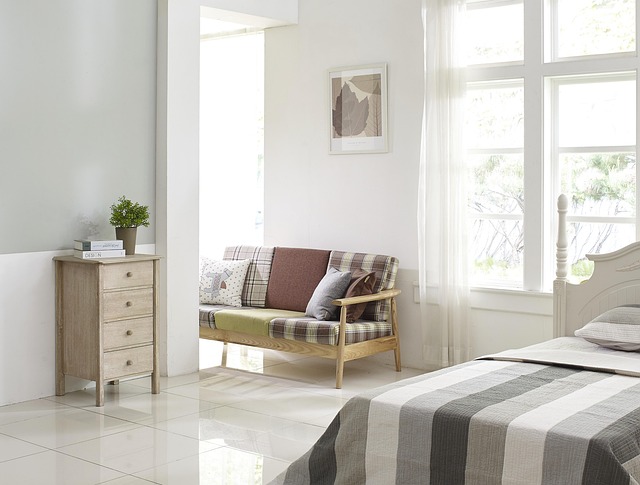
Create a gallery wall of framed prints, photos, or art using 3M Command picture-hanging strips. These adhesive strips hold up to 7.2 kg per pair and peel off cleanly when you follow the removal instructions.
Cost: $10 to $25 for a pack of strips; frames from $5 each at Dollarama or IKEA | Difficulty: Easy
2. Washi Tape Accent Wall or Border
Washi tape is a decorative paper tape that comes in hundreds of colours and patterns. Use it to create geometric patterns, accent borders around doorframes, or a faux headboard shape behind your bed. It peels off without residue.
Cost: $5 to $15 per roll; a full accent wall might use 3 to 6 rolls ($15 to $60) | Difficulty: Easy to moderate
3. Leaning Art and Mirrors
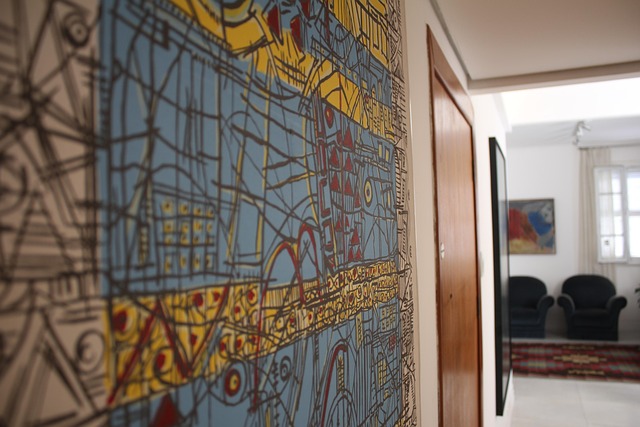
Skip hanging entirely. Large-format art prints or mirrors placed on the floor and leaned against the wall create a relaxed, gallery-like look with zero wall contact.
Cost: $20 to $100+ depending on frame and print size | Difficulty: Easy
4. Peel-and-Stick Wallpaper
Modern peel-and-stick wallpaper applies like a giant sticker and peels off cleanly. Use it on a single accent wall for maximum impact.
Cost: $30 to $80 per roll; an accent wall may need 2 to 4 rolls ($60 to $320) | Difficulty: Moderate Caution: Test a small piece in a hidden corner first. On some older paint finishes, the adhesive can pull paint when removed.
5. Removable Wall Decals
Vinyl wall decals come in designs ranging from tree branches to world maps. They are specifically designed for rental-friendly application and removal.
Cost: $15 to $60 depending on size | Difficulty: Easy to moderate
Lighting
6. Plug-In Pendant Lights
Replace the visual impact of a hardwired ceiling fixture without touching any wiring. Plug-in pendant lights hang from a Command ceiling hook and plug into a standard wall outlet.
Cost: $40 to $120 for the fixture; $10 to $15 for a heavy-duty Command ceiling hook | Difficulty: Easy
7. LED Strip Lights
Adhesive-backed LED strip lights can transform a space. Apply them behind a TV, under kitchen cabinets, along a bookshelf, or behind a headboard for ambient lighting.
Cost: $15 to $50 for a 3 to 5 metre strip | Difficulty: Easy
8. Floor Lamps as Primary Lighting
Many Canadian apartments have harsh overhead lighting or insufficient fixtures. One or two well-chosen floor lamps can completely change the atmosphere.
Cost: $30 to $200 depending on style | Difficulty: Easy
9. String Lights
Warm white string lights draped along a wall, around a window frame, or across a ceiling add warmth and character. Use small Command hooks to route them.
Cost: $10 to $35 | Difficulty: Easy
Soft Furnishings
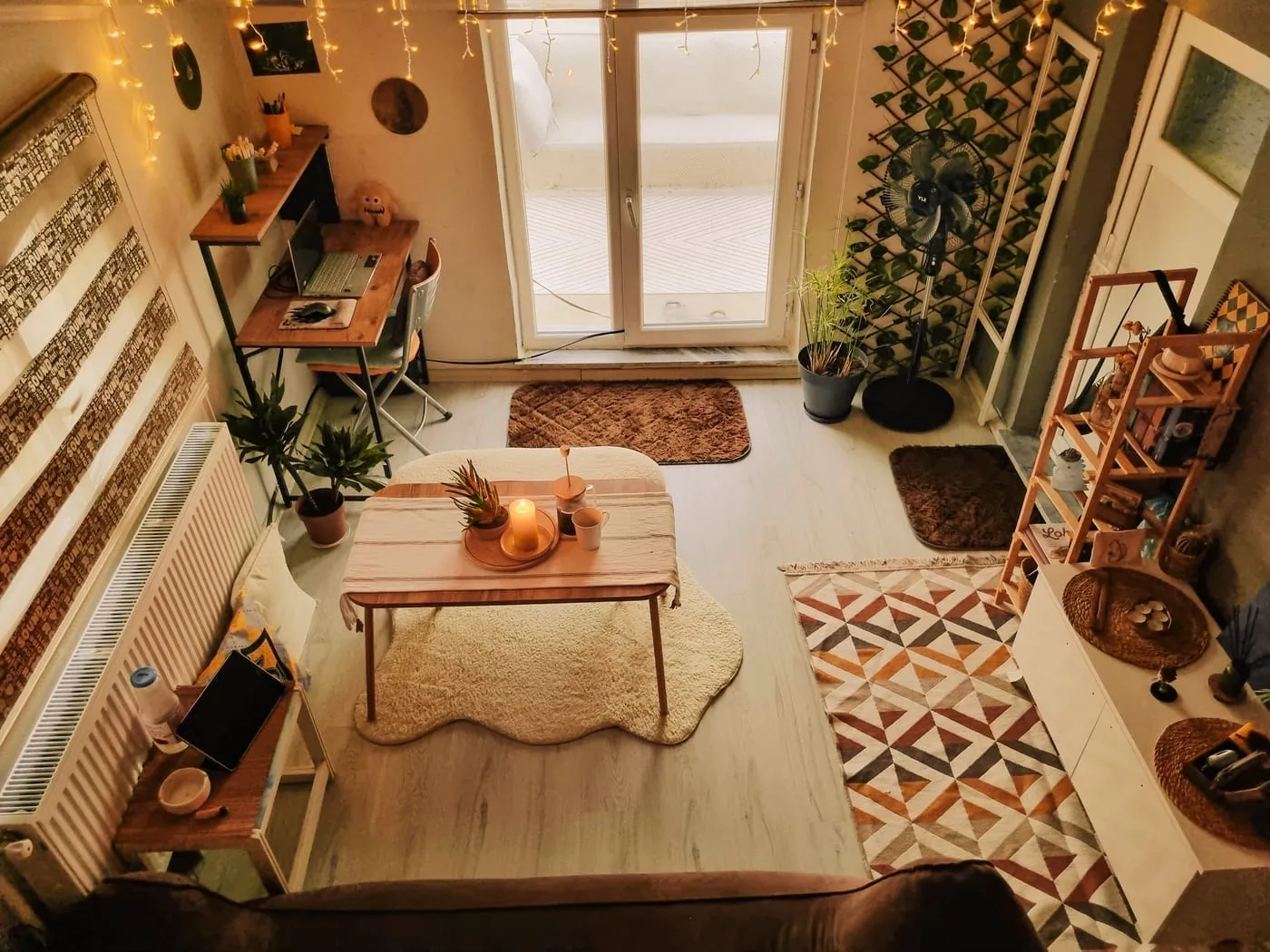
10. Area Rug Over Builder-Grade Flooring
A large area rug is one of the single most transformative purchases for a rental apartment. It covers bland laminate or worn carpet, defines zones in a studio, absorbs sound, and adds colour and texture.
Cost: $60 to $300 for a 150 x 200 cm rug (Wayfair, IKEA, HomeSense) | Difficulty: Easy
11. Throw Pillows and Blankets
The fastest and cheapest way to add colour to a neutral space.
Cost: $10 to $40 per pillow; $20 to $80 per throw blanket (HomeSense, IKEA, Simons) | Difficulty: Easy
12. Curtains on Command Hook Rods
Hang curtains using a tension rod or a curtain rod mounted on large Command hooks. Hang them as close to the ceiling as possible to make windows and the room appear taller.
Cost: $20 to $60 for curtain panels; $15 to $30 for a tension rod or Command hook setup | Difficulty: Easy to moderate
Storage
13. Over-Door Organizers
The backs of doors are valuable real estate in a small apartment. Over-door organizers hang over the door edge with no hardware.
Cost: $15 to $40 | Difficulty: Easy
14. Tension Rods in Closets
Add a second tension rod below your main closet rod to double your hanging space for shorter items.
Cost: $8 to $20 per rod | Difficulty: Easy
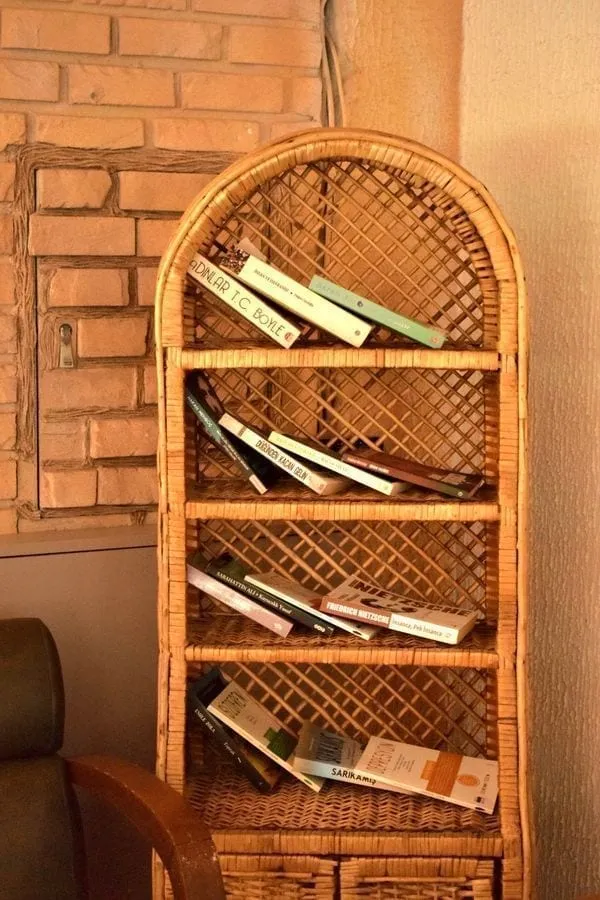
15. Freestanding Shelving Units
A narrow freestanding bookshelf or ladder shelf adds vertical storage without any wall mounting.
Cost: $40 to $150 (IKEA KALLAX, LERBERG ladder shelf) | Difficulty: Easy
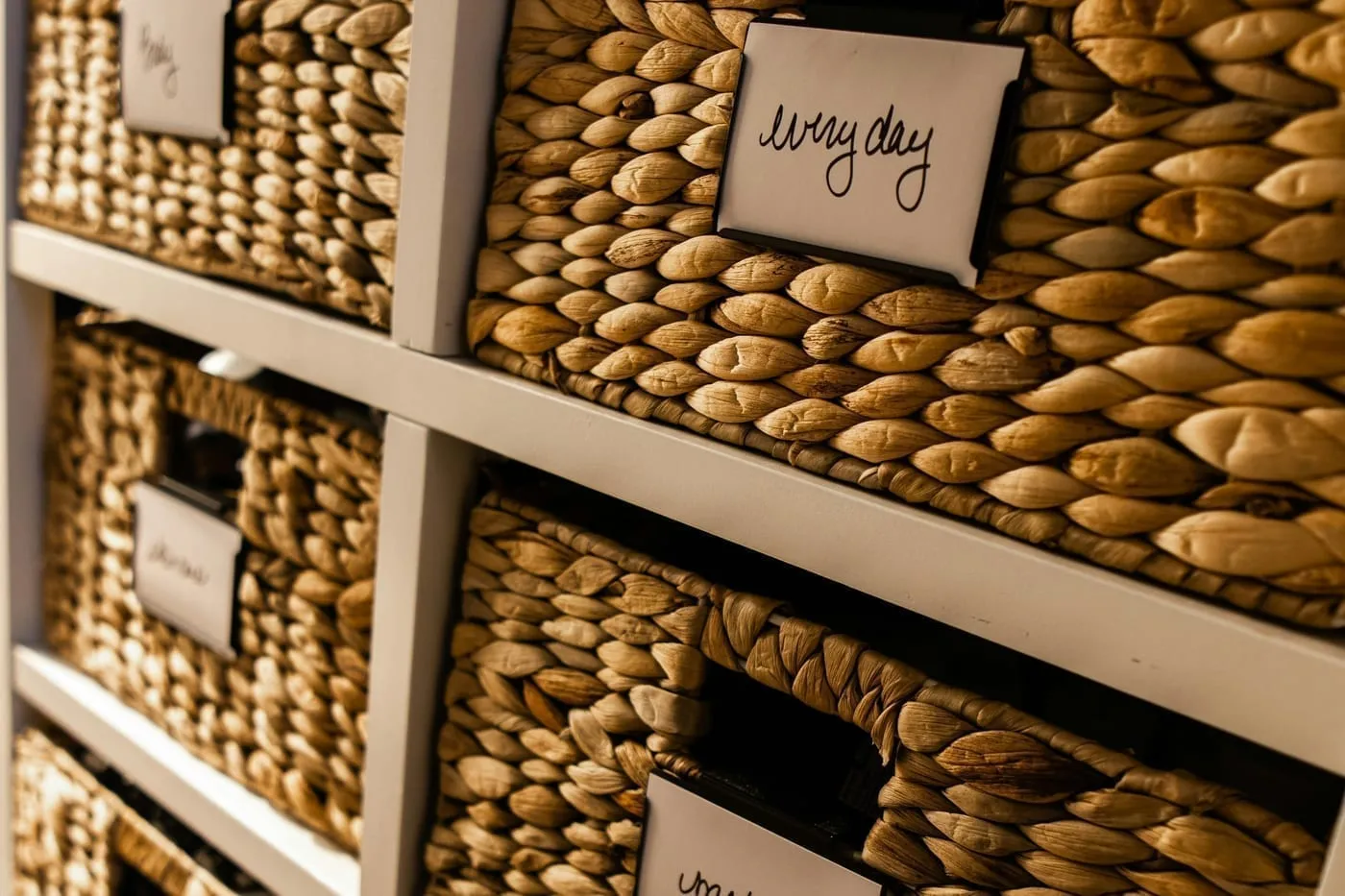
16. Closet Shelf Dividers and Stackable Bins
Maximize closet shelf space with acrylic or wire shelf dividers and stackable clear bins.
Cost: $10 to $30 for dividers; $15 to $40 for a set of stackable bins | Difficulty: Easy
Kitchen and Bathroom
17. Contact Paper on Counters
Peel-and-stick contact paper can cover dated laminate countertops with a marble, granite, or butcher-block look.
Cost: $15 to $40 per roll | Difficulty: Moderate
18. Removable Backsplash Tiles
Peel-and-stick backsplash tiles (Smart Tiles in Canada) create a tiled look behind the stove or sink. They are heat and moisture resistant and peel off cleanly.
Cost: $20 to $50 per pack; a typical kitchen backsplash needs 2 to 5 packs ($40 to $250) | Difficulty: Moderate
19. Shower Caddy and Bathroom Organization
Replace the look of shampoo bottles lined up on the tub edge with a tension-pole shower caddy or suction cup organizer.
Cost: $20 to $60 for a tension-pole caddy; $10 to $25 for suction cup organizers | Difficulty: Easy
20. Magnetic Spice Rack or Knife Strip
Mount a magnetic spice rack strip on the side of the fridge (it holds magnetically, no adhesive needed) to store small spice tins or knives.
Cost: $15 to $35 for a magnetic strip; $15 to $30 for magnetic spice tins | Difficulty: Easy
Sample Budgets
Minimal Refresh (5 changes): $100 to $250
A large area rug, throw pillows, string lights, an over-door organizer, and a tension rod for the closet.
Moderate Refresh (10 changes): $150 to $500
Add a gallery wall with Command strips, a floor lamp, curtains, LED strip lights, a shower caddy, and contact paper on the kitchen counter.
Full Transformation (all 20 changes): $500 to $1,500
Your apartment will look and feel like a completely different space, yet every single change can be reversed in a weekend when you move out.
Move-Out Checklist
- Remove all Command strips by pulling tabs straight down. Fill any paint chips with a small tube of matching wall paint or spackle ($5).
- Peel off all contact paper, removable wallpaper, and wall decals. Use a hair dryer on low heat if any adhesive resists.
- Remove tension rods from closets and shower.
- Take down all freestanding shelving, floor lamps, and over-door organizers.
- Roll up area rugs and remove rug pads.
- Peel off LED strips and peel-and-stick backsplash tiles.
- Clean all surfaces where adhesive products were applied.
The entire reversal process for all 20 changes should take three to four hours for a studio or one-bedroom apartment.
What to Do If a Command Strip Damages the Wall
Even with proper technique, Command strips occasionally pull paint, especially on older walls with multiple paint layers or soft plaster common in pre-war Montreal and Toronto apartments. Knowing how to fix it keeps your deposit safe.
Small paint chips (under 2cm): Fill with lightweight spackle ($5-$8 CAD, Canadian Tire or Home Depot) using a putty knife, let it dry for an hour, then sand smooth with fine-grit sandpaper. Touch up with matching paint if you have it. Most landlords will not notice a properly filled chip during a move-out inspection.
Larger paint pulls (2-5cm): Same spackle process, but you will likely need touch-up paint. Ask your landlord or property manager for the paint colour code before you move in — many will provide it, and some buildings use the same colour in every unit. A small sample pot ($8-$12 CAD, Home Depot) covers dozens of touch-ups.
Prevention: Always remove Command strips by pulling the tab straight down along the wall, never outward. Pulling outward is what tears paint. If the tab breaks, use a hair dryer on low heat for 30 seconds to soften the adhesive before gently peeling the strip off with dental floss slid behind it.
The idea that renting means living in a bland, impersonal space is outdated. The key principle is simple: if you can remove it completely and leave the surface in its original condition, it is not damage, it is not a lease violation, and your landlord has no grounds for complaint. Make your rental feel like home, because it is.
Related reading: