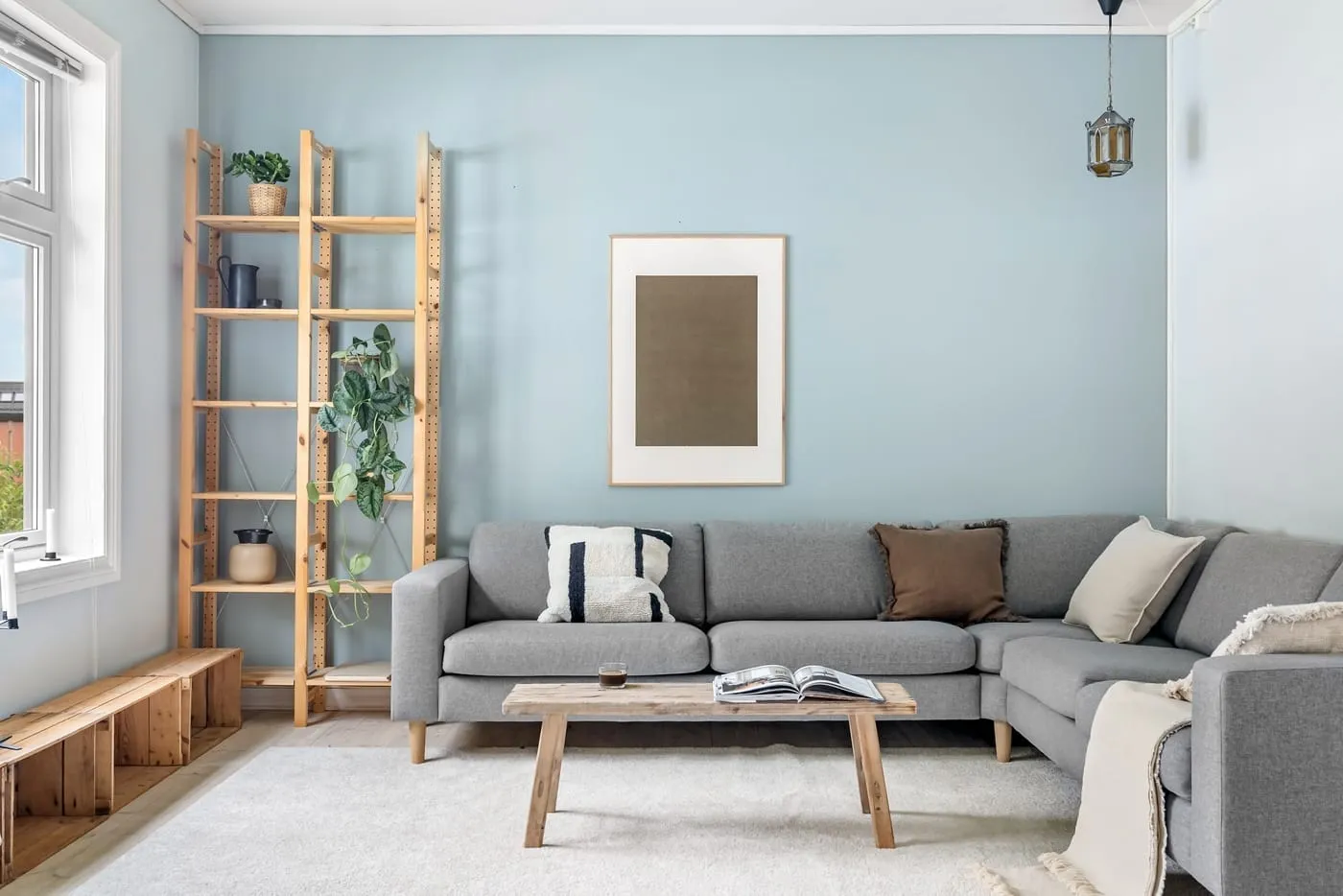
Baseboard heaters are the default heating system in most Canadian condos, especially in Ontario and Quebec. They work, but they eat into usable wall space and create real constraints on where furniture can go. Our small apartment layout ideas guide covers general placement rules — this post focuses specifically on working around baseboard heaters without blocking heat, damaging furniture, or creating a fire hazard.
How Much Clearance Do Baseboard Heaters Actually Need?
A minimum of 15cm (6 inches) in front of the heater for hard furniture, and 30cm (12 inches) for anything upholstered or fabric-covered. Most heater manufacturers print specific clearance requirements in their installation guides — if you rent and do not have the manual, the model number is usually on a sticker at one end of the heater unit.
Key takeaway: Hard furniture like metal or glass shelving requires a minimum 15 cm (6-inch) clearance from baseboard heaters, while upholstered or fabric-covered items need at least 30 cm (12 inches). Blocking airflow around baseboard heaters forces them to work harder and can create fire risk in older Canadian condos.
Here are commonly recommended clearances:
| Furniture type | Minimum clearance from heater |
|---|---|
| Metal or glass shelving | 15cm (6 in) |
| Solid wood or MDF furniture | 15–20cm (6–8 in) |
| Upholstered sofa or chair | 30cm (12 in) |
| Curtains and drapes | 10cm (4 in) above heater top, never touching |
| Bedding and pillows | 30cm (12 in) |
| Paper, books, magazines | 30cm (12 in) |
These are conservative guidelines. Some newer electric baseboard heaters run at lower surface temperatures, but sticking with these distances keeps you safe regardless of the unit’s age.
Above the heater matters too. Baseboard heaters work by convection — cool air enters at the bottom, warms as it passes over the heating element, and rises out the top. Anything blocking the top of the heater (a shelf mounted too close, a windowsill overhang, or a thick curtain) traps that rising warm air and kills efficiency.
What Happens When You Block a Baseboard Heater?
Three things, none of them good. First, the heater works harder and runs longer because warm air cannot circulate into the room. The thermostat reads a lower temperature than the room should be at, so the heater stays on. In a condo where you pay your own hydro, this shows up directly on your winter bill.
Second, trapped heat builds up behind the obstruction. Upholstered furniture, curtains, and bedding blocking a heater that can’t dissipate heat properly is a recognized fire risk — it’s why most baseboard heater manuals specify a minimum clearance and why building insurers flag it during inspections.
Third, concentrated heat damages the furniture itself. Wood dries out unevenly and cracks. MDF swells at the edges. Vinyl softens. Fabric fades and degrades faster. A $400 sofa pushed against a heater for one winter can come out looking five years older.
Which Furniture Materials Handle Heat Best?
Metal and glass are the safest choices near baseboard heaters. A metal-frame console table, a glass-top side table, or a wire shelving unit can sit closer to the heater without warping or trapping heat the way solid panels do.
Materials ranked by heat tolerance near baseboard heaters:
- Best: Metal frames, tempered glass, stone or concrete tops
- Good: Solid hardwood (oak, maple, walnut) — tolerates heat but may dry-crack over multiple seasons if too close
- Risky: MDF, particle board, laminated surfaces — the adhesives and coatings break down with repeated heat exposure
- Avoid placing near heaters: Vinyl, faux leather, heavily padded upholstery, wicker, rattan
If you already own an MDF bookshelf or a vinyl-topped desk and it needs to go near the heater wall, raise it on furniture risers (available at Canadian Tire or Amazon.ca for $8–$15 a set of four) so air can flow underneath, and keep the full 15–20cm gap from the heater face.
How Do You Arrange a Living Room Around Baseboard Heaters?
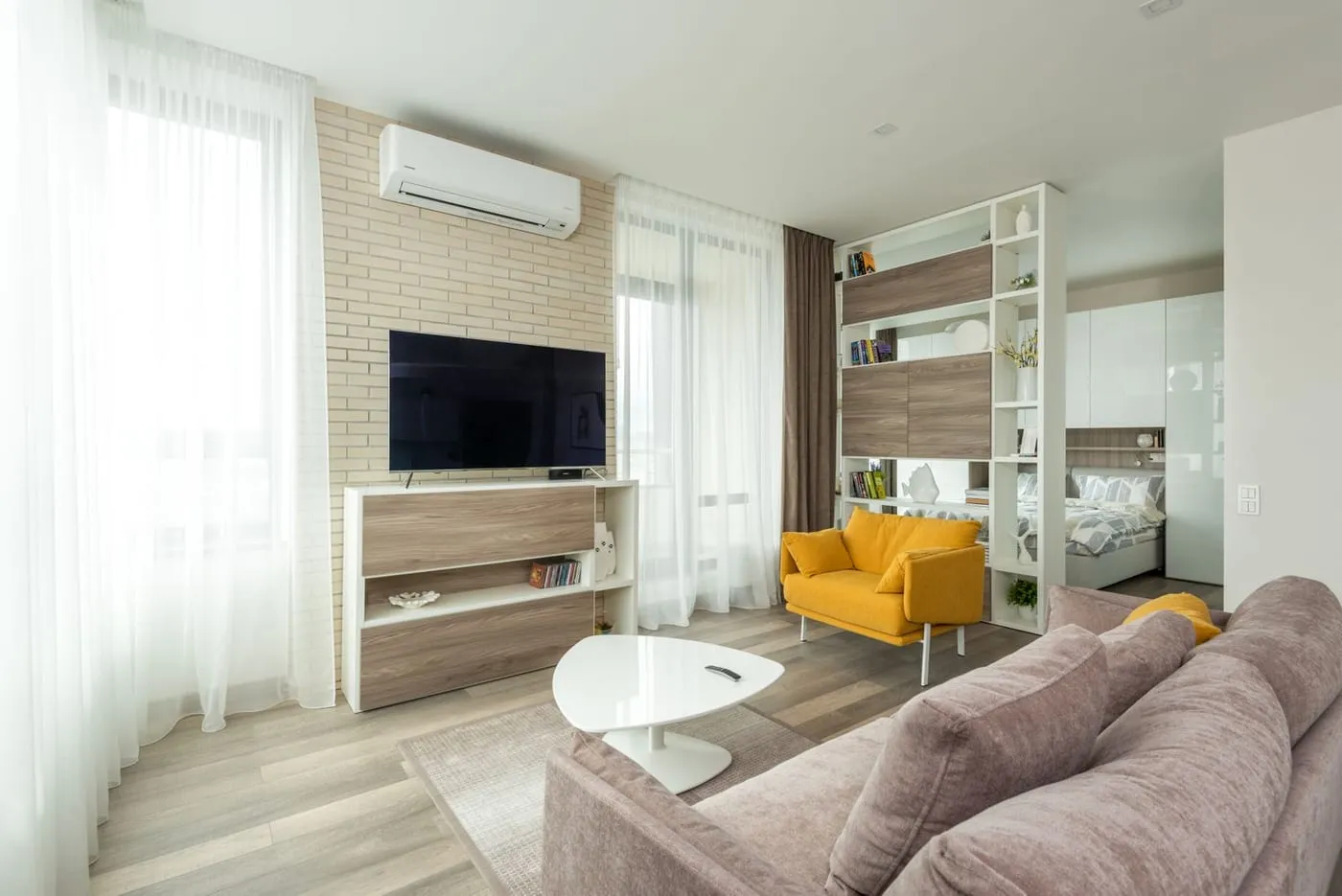
Start by mapping which walls have heaters, then place your largest furniture — the sofa — against a wall that does not have one. In most Canadian condos, the heaters run along exterior walls (under windows or along the wall facing outside), while interior walls are heater-free.
The practical approach:
-
Sofa goes on an interior wall. This is the single most impactful move. It keeps your biggest piece away from the heater entirely and opens up the heater wall for smaller, legged furniture or nothing at all.
-
TV and media console on the heater wall — with clearance. A metal or glass media console with open legs works well here. Keep the 15cm gap and make sure the console does not sit taller than the heater’s top edge, so rising warm air is not blocked. Wall-mounting the TV above the heater eliminates the need for a console altogether.
-
Coffee table in the centre, not pushed against the heater. Standard advice, but it matters more when the heater wall is nearby — a table shoved against it becomes a heat trap.
-
Side tables with legs. Metal-legged side tables or C-tables that slide over a sofa arm keep surfaces accessible without sitting against the heater.
If your condo has baseboard heaters on two or three walls (common in corner units), you will not be able to avoid the heater wall entirely. In that case, prioritize the wall with the shortest heater run for your sofa, maintain the 30cm gap, and choose a sofa with legs at least 10cm high.
For more living room arrangements in tight spaces, our small living room storage solutions guide covers shelving and storage that works alongside these heater constraints.
How Do You Set Up a Bedroom When the Heater Runs Along the Main Wall?
Place the bed against a wall without a heater. In a typical one-bedroom Canadian condo, the heater runs under the bedroom window on one wall, leaving two or three other walls available for the headboard.
If every bedroom wall has a heater (rare, but it happens in older concrete condos):
- Position the bed perpendicular to the heater wall so only the foot or one side faces the heater, minimizing the contact zone.
- Keep bedding pulled tight so nothing drapes over the edge toward the heater.
- Use a bed frame with legs, not a platform bed sitting on the floor — air needs to circulate underneath along the heater wall.
- Skip the floor-length bedskirt. A bedskirt hanging near a heater is a fire hazard.
Nightstands near the heater wall should be metal or hardwood with open legs. IKEA Canada’s KNARREVIK nightstand (~$20) is a good budget option — metal frame, open underneath, small enough to keep clear of the heater.
Can You Put Curtains Near a Baseboard Heater?
Yes, but they need to clear the heater entirely. Curtains should stop at least 10cm (4 inches) above the top of the heater — or better, use a curtain length that ends at the windowsill rather than falling to the floor.
Safer window treatment options for heater walls:
- Roller blinds — mount inside the window frame, nowhere near the heater
- Roman shades — same idea, contained within the window opening
- Café curtains — cover only the lower half of the window, well above the heater
- Sill-length curtains — end at the windowsill, 15cm+ above the heater top
Floor-length curtains that puddle on the floor in front of a baseboard heater are the single most common heater-related fire risk in Canadian apartments. If you want floor-length curtains for the look, use a holdback or tieback at window height so the fabric hangs away from the heater when the heat is on.
Our renter’s no-damage decor guide covers Command-strip curtain rod options that work without drilling into condo walls.
What About Shelving and Storage on Heater Walls?
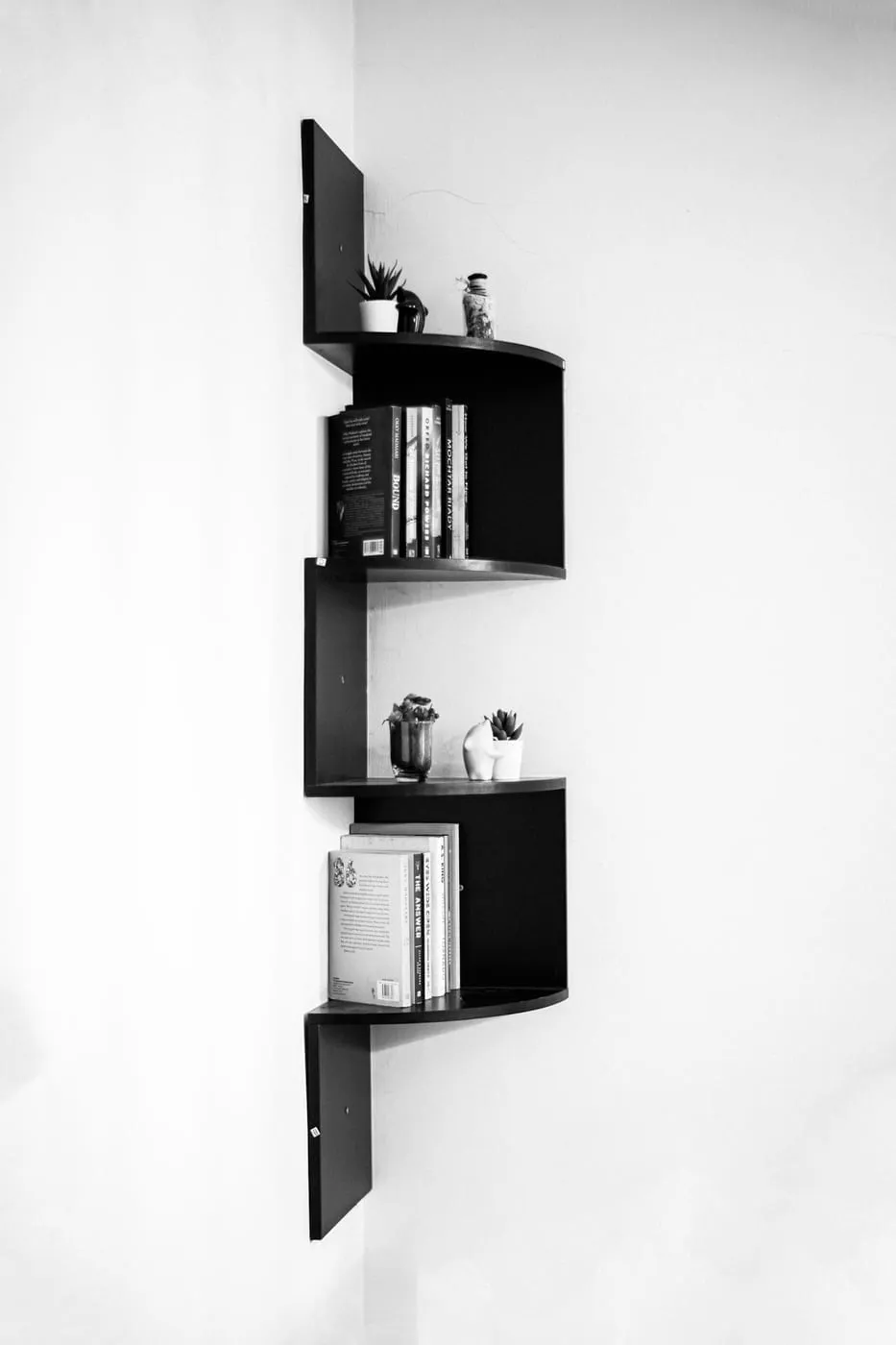
Wall-mounted shelving is the best solution for heater walls — it keeps everything above the heater with no floor-level obstruction. Floating shelves installed 30cm or more above the heater top give you storage without interfering with heat output.
Floor-standing shelving rules near heaters:
- Use open-back shelving, not closed cabinets. A solid-backed bookcase pushed against a heater traps heat behind it.
- Metal wire shelving (available at Canadian Tire from ~$50, or Amazon.ca from ~$40) handles the heat and allows full airflow.
- Keep the bottom shelf at least 15cm off the floor so air enters the heater’s intake.
- Do not store anything flammable (paper, cardboard boxes, aerosol cans) on the shelf closest to the heater.
If you need closed storage on a heater wall, use a wall-mounted cabinet positioned well above the heater rather than a floor unit.
Seasonal Tips: Adjusting Your Layout for Canadian Winters
Most Canadian condos have a six-to-seven-month heating season (roughly October through April, longer in the Prairies and northern Ontario). Your furniture layout needs to work for both seasons.
Before heating season starts (September–October):
- Pull all furniture to the proper clearance distance from heaters. Over summer, things drift closer.
- Vacuum the heater fins with a brush attachment or compressed air. Dust buildup reduces heat output and can cause a burning smell when the heater first runs.
- Check that no curtains, throw blankets, or pillows have ended up resting against the heater.
- Test each heater by turning it on briefly and confirming it heats evenly along its length. Report dead spots to your condo’s property manager before the cold arrives.
During heating season:
- Keep an eye on furniture position after cleaning — vacuuming and mopping tend to push lighter pieces closer to walls.
- Do not drape wet clothes over or near baseboard heaters to dry them. Use a drying rack placed at least 60cm (2 feet) away.
- If a room feels cold despite the heater running, check for obstructions before adjusting the thermostat up. The heater may be working fine but blocked.
After heating season (April–May):
- This is when you can rearrange more freely. Furniture can sit closer to heaters when they are off, and you can use the heater wall for seasonal items like a plant shelf or display.
- Clean the heaters again before summer. Dust that sits all summer bakes on when the heat comes back in October.
Quick-Reference Layout Rules
| Rule | Why |
|---|---|
| Sofa on an interior wall, not the heater wall | Biggest piece stays clear; best airflow |
| 30cm gap for upholstered furniture | Fire safety + prevents fabric degradation |
| 15cm gap for hard furniture | Minimum for heat circulation |
| Furniture with legs near heaters | Lets air enter the heater intake at floor level |
| No floor-length curtains over heaters | Most common heater fire risk |
| Open-back shelving, not closed cabinets | Prevents heat trapping behind furniture |
| Vacuum heater fins before October | Removes dust, prevents burning smell, improves output |
| Wall-mount shelves above heaters | Uses the heater wall without blocking anything |
Budget-Friendly Furniture That Works Near Baseboard Heaters
You do not need expensive furniture to furnish a heater wall safely. Here are practical options from Canadian retailers:
- IKEA Canada VITTSJÖ shelving unit (~$70) — metal and glass, fully open, legs keep the base well above the heater intake
- Canadian Tire metal utility shelf (~$50–$80) — wire shelving, open on all sides, holds up to heat without warping
- Amazon.ca metal C-table (~$30–$50) — slides next to a sofa without touching the heater wall
- IKEA Canada LACK wall shelf (~$15) — mount above the heater for display storage with zero floor impact
- Furniture risers (Canadian Tire, ~$8–$15 per set) — raise existing furniture to improve airflow underneath
Related Reading
- Small Apartment Layout Ideas That Save Space (Canada) — general layout rules for Canadian apartments, including walkway clearances and zone planning
- Renter’s No-Damage Decor Guide for Canada — Command strips, peel-and-stick solutions, and reversible upgrades that work in rental condos
- Studio Apartment Layout Ideas — zoning a single room where the heater wall is often your only exterior wall
- Winter Condensation and Humidity Guide for Canadian Apartments — humidity control matters alongside heater clearance for protecting furniture and walls