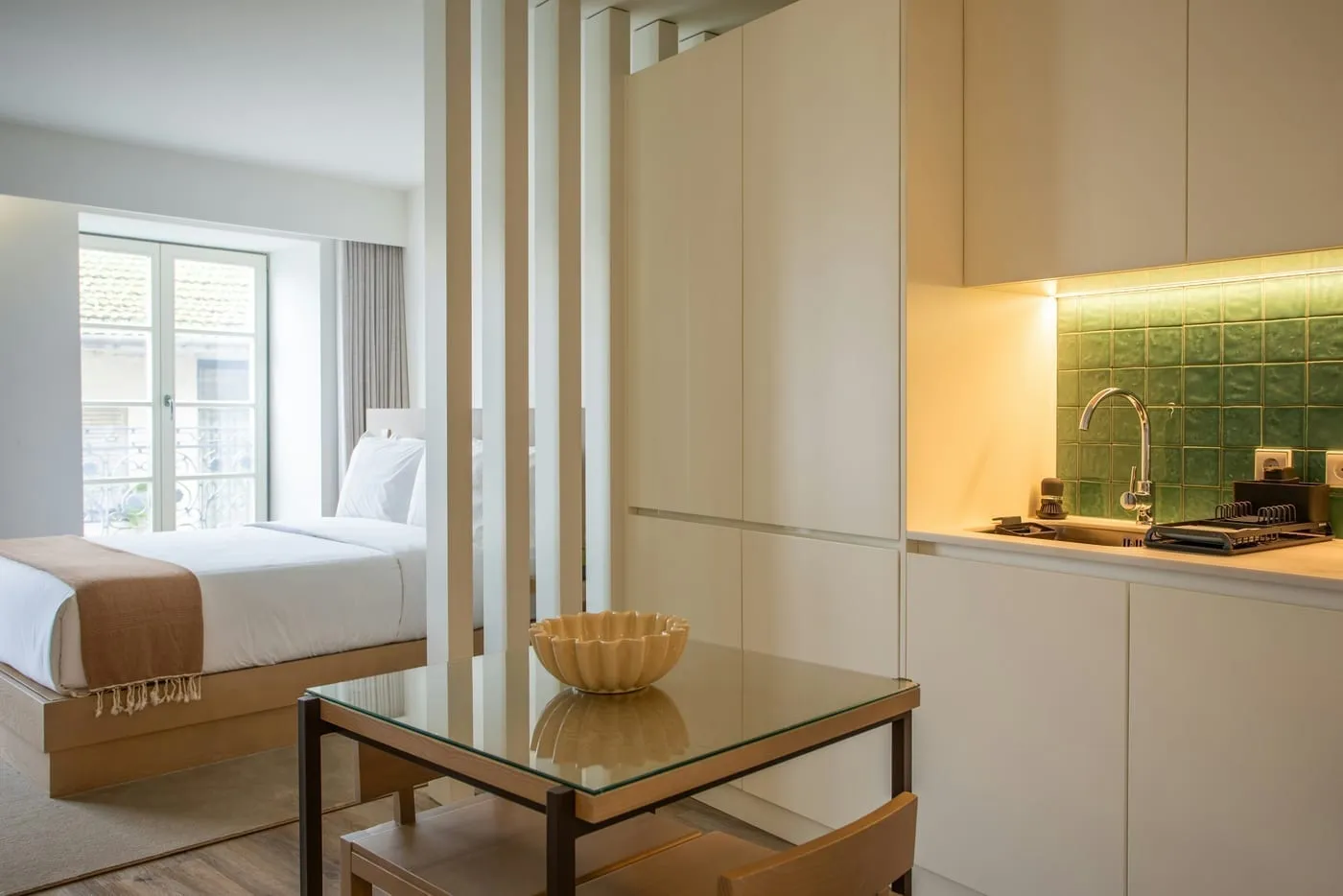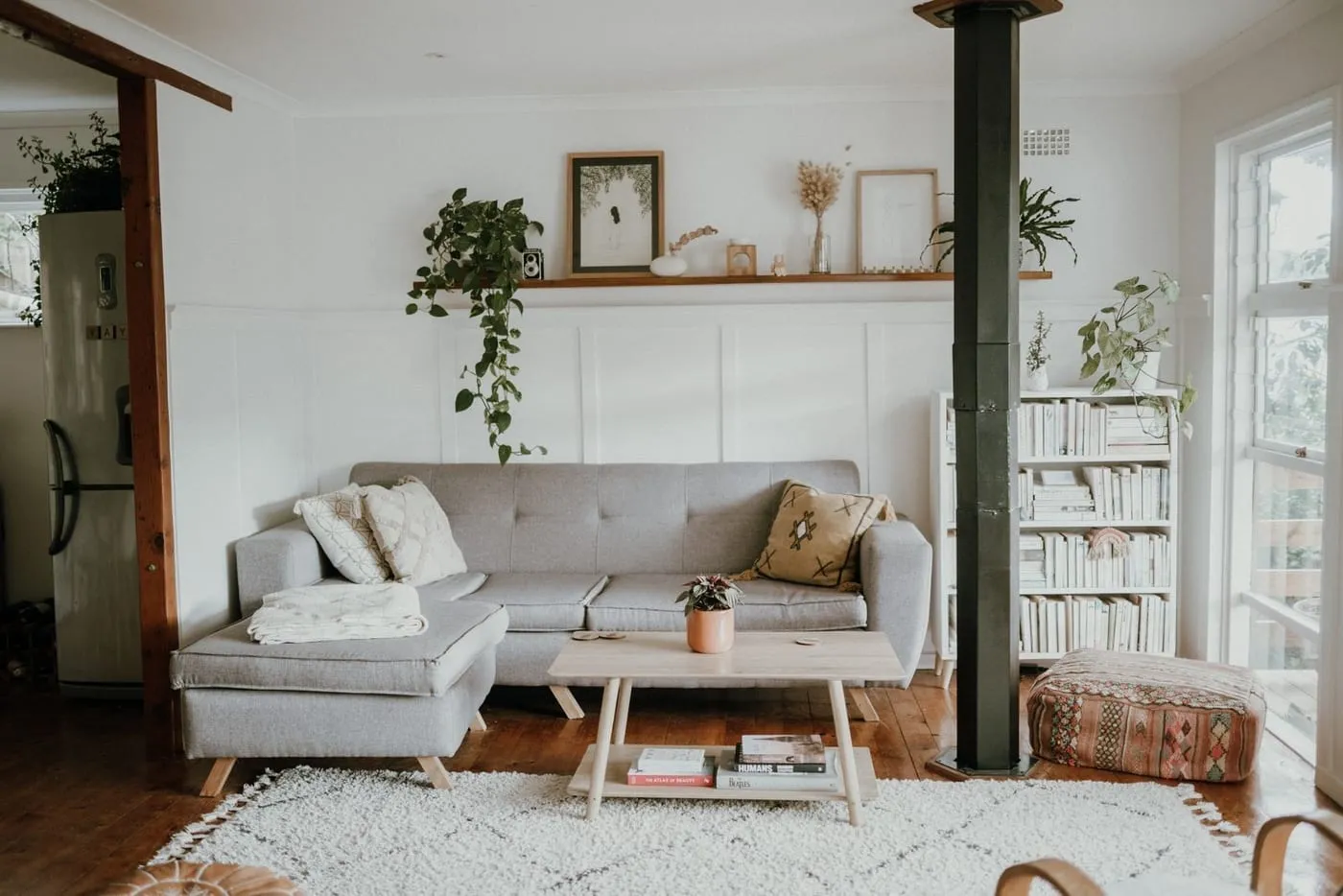
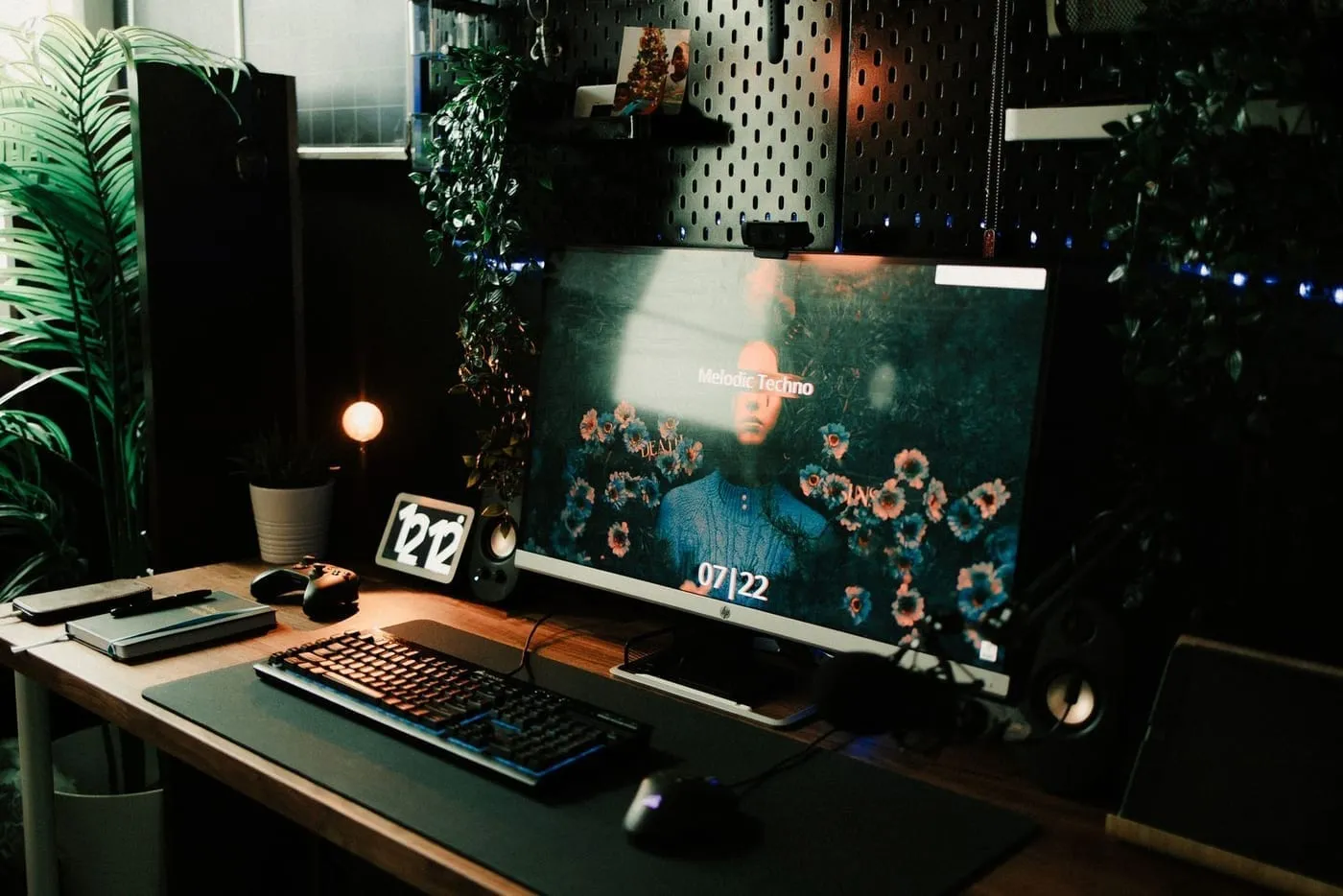
Working from home in a 510 sq ft apartment means your office is also your living room, or your bedroom, or the corner by the window. There’s no spare room to convert. I’ve worked full-time from my Toronto apartment for three years, and the desk setup has moved four times before I landed on something that actually works. Here’s what I learned — the desks worth buying, where to put them, and how to make a workspace feel intentional instead of like a laptop balanced on the kitchen table.
TL;DR: You don’t need a spare room to work from home well. Pick a desk sized to your space (the IKEA MICKE at ~$99 CAD is the standard), put it near a window, invest in a real chair before anything else, and build storage up the wall instead of out across the floor. A defined corner beats a cramped whole room.
You’re Not Alone — Most Home Offices Are Improvised
Roughly 22% of Canadians worked from home in some capacity as of late 2025, and about 17% do so most of the time (Statistics Canada, 2025). A huge share of those people are renters in exactly the kind of small urban apartments you find across Toronto, Vancouver, and Montreal — working from an improvised corner, not a dedicated room.
So if your “office” is a corner of the bedroom, you’re in the majority. The goal isn’t a magazine-worthy study. It’s a spot that’s comfortable for eight hours, doesn’t take over the apartment, and can stay set up so you’re not rebuilding it every morning.
Where Do You Put a Desk When There’s No Office?
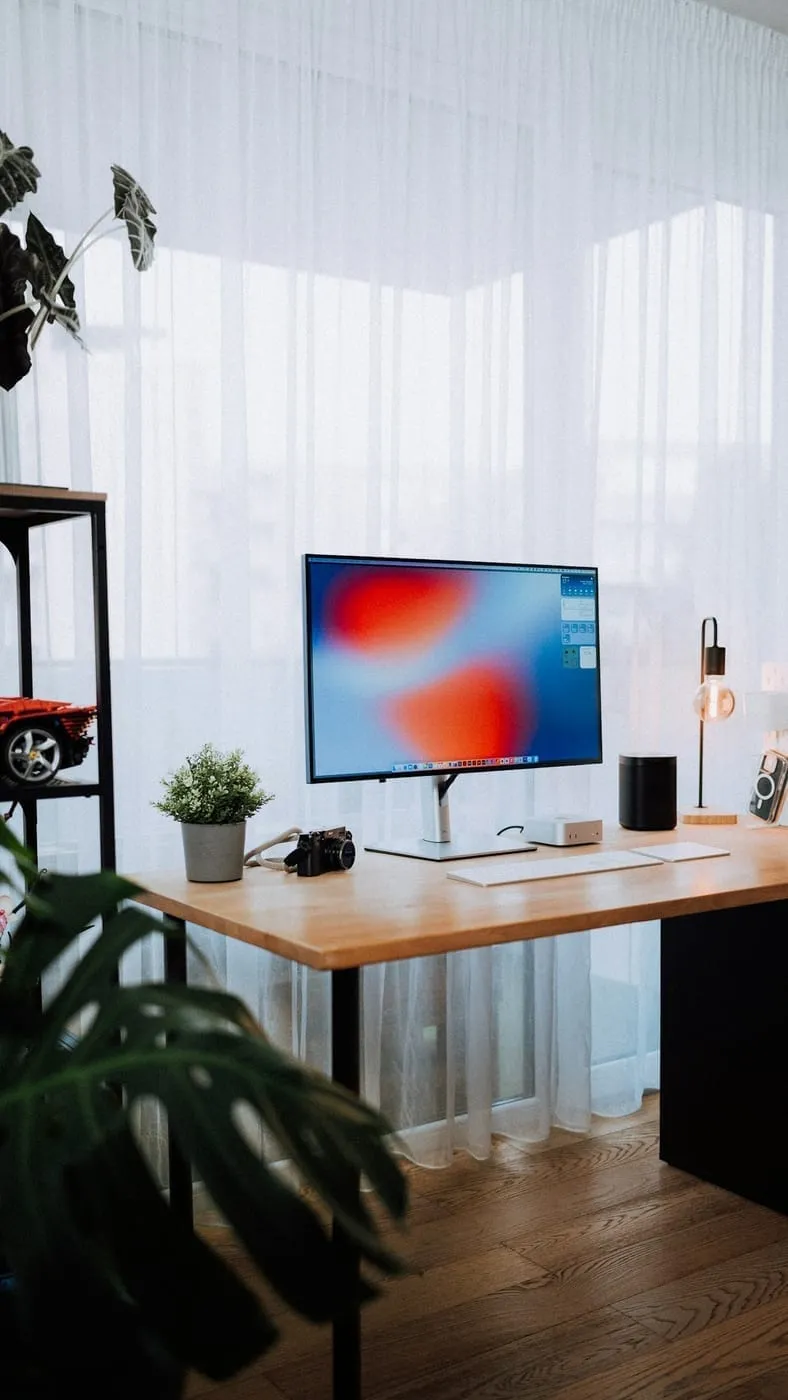
The best desk spot in a small apartment is wherever you get natural light and can leave the setup standing. A window-facing corner beats a dark hallway nook every time — daylight cuts eye strain and makes a tiny workspace feel open rather than boxed in.
Here’s the priority order I’d use in a small apartment:
- A spare corner in the living room — usually the easiest to spare, and you can screen it off
- The bedroom, on the wall opposite the bed — keeps work out of sight while you sleep
- A wide hallway or entry nook — a narrow wall-mounted desk fits where nothing else will
- A closet (“cloffice”) — remove the door, add a shelf-desk, close it off after work
Avoid putting the desk where you’ll constantly pack it away. The single biggest predictor of whether a home office works is whether you can leave it set up. A laptop that lives in a drawer never becomes a workspace.
No Spare Room and No Drilling Allowed? Here’s What Still Works
Most rental leases in Canada either ban drilling into walls outright or make you responsible for patching every hole at move-out, so a “real” wall-mounted desk is off the table for a lot of renters. That doesn’t rule out a proper workspace. Heavy-duty adhesive strips (Command’s largest size holds up to 7.5 kg), tension rods, and furniture-leaning setups can carry a fold-down shelf desk or a slim monitor mount without touching drywall.
Renter-safe setups worth trying when a studio or bachelor apartment has zero spare room:
- A Command-strip fold-down shelf desk (~$40–$70 CAD for the bracket plus strips) — folds flat against the wall between work sessions, and the adhesive strips come off clean at move-out
- A tension-rod room divider (~$25–$45 CAD, adjustable curtain rod plus a lightweight curtain) — wedges between floor and ceiling with no hardware, and gives you a real visual boundary for a work corner in a studio
- A leaning ladder desk or shelf unit — freestanding against the wall, no anchoring needed, and doubles as storage above the desk surface
- Cable clips with adhesive backing (~$10–$15 CAD for a pack) instead of drilled-in cable trays — routes cords along a baseboard or under a desk edge without a single screw
The trade-off with adhesive-only mounts is weight capacity — check the rated limit before hanging a monitor arm or anything beyond a laptop and a lamp. For heavier setups, a freestanding desk (see the picks below) is the safer bet over anything wall-mounted with strips alone.
What’s the Best Desk for a Small Apartment?
The best small-apartment desk is one sized to your actual space, not the biggest one you can afford. A desk that’s too deep eats the room; one that’s too small leaves you cramped. For most apartments, a 70–100 cm wide surface is the sweet spot, with prices ranging from about $99 CAD for the IKEA MICKE up to $150 CAD for a wall-mounted fold-down option — a functional desk rarely costs more than $150 CAD in Canada.
Here are the picks I’d actually recommend, with real Canadian prices:
The reliable standard
IKEA MICKE desk — ~$99 CAD The small-apartment default for good reason. A 73 × 50 cm footprint, built-in cable management, and a small drawer. Fits a bedroom corner or a living-room nook without dominating. Comes in white, black, and wood tones.
When you need more surface
IKEA LINNMON tabletop + ALEX drawer unit — $140 CAD total
A LINNMON top ($40) on an ALEX drawer unit (~$100) gives you a wide desk and real storage in one footprint. This is what I use now — the drawers hold everything that used to clutter the desktop.
When floor space is truly tight
Wall-mounted fold-down desk — ~$80–$150 CAD (Amazon.ca) Folds flat against the wall when you’re done, freeing the floor completely. Ideal if you only work a few hours a day or need the space to double as something else.
Narrow wall-mount shelf desk — ~$60–$120 CAD A slim floating desk, 30–40 cm deep, turns a bare hallway wall into a workspace. Enough for a laptop and a notebook, nothing more — which is the point.
For how these fit alongside the rest of your furniture, our apartment size furniture guide covers sizing every piece in a compact apartment, and the IKEA small space hacks post shows how to combine KALLAX and LINNMON into a desk-plus-storage wall.
Should You Buy the Chair Before Anything Else?
If you work full days, the chair matters more than the desk. A dining chair or a kitchen stool feels fine for an hour and quietly wrecks your back over months. You don’t need a $1,500 designer chair — a supportive mid-range office chair runs about $200–$400 CAD at Wayfair Canada or Structube, and it’s the single highest-impact purchase for a full-time small-apartment workspace. This is the one place in a small home office where spending money pays off. Two things to look for in a small apartment:
- It tucks fully under the desk — so it doesn’t block the walkway when you stand up
- A slim back and no giant armrests — bulky gaming chairs swallow a small room
If floor space is at an absolute premium, a folding ergonomic chair you store between workdays is a compromise — but only if you’ll genuinely put it away, not trip over it.
How Do You Add Storage Without Losing Floor Space?
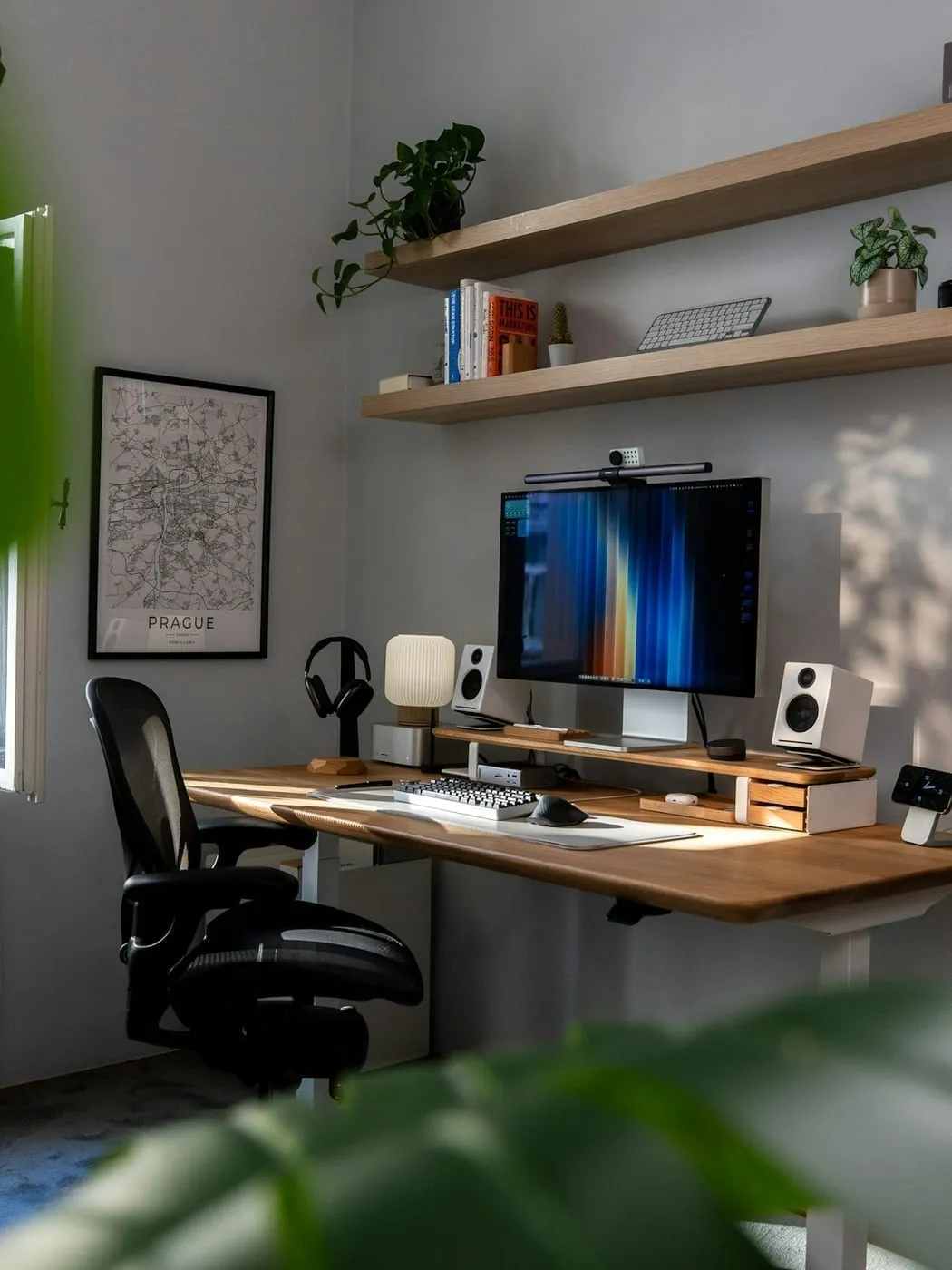
Build storage up, not out. In a small home office, the wall above your desk is the most valuable real estate you have — a floating shelf or two frees the entire desktop and keeps supplies within reach without a single extra piece on the floor. Floating shelves run about $25–$40 CAD each, a rolling drawer unit like the IKEA ALEX costs roughly $100 CAD, and a monitor riser adds another $30–$60 CAD — together building a full storage system without a single extra piece on the floor.
My setup, from most to least useful:
- Two floating shelves above the desk (~$25–$40 CAD each, IKEA LACK or similar) — books, a plant, a charging tray
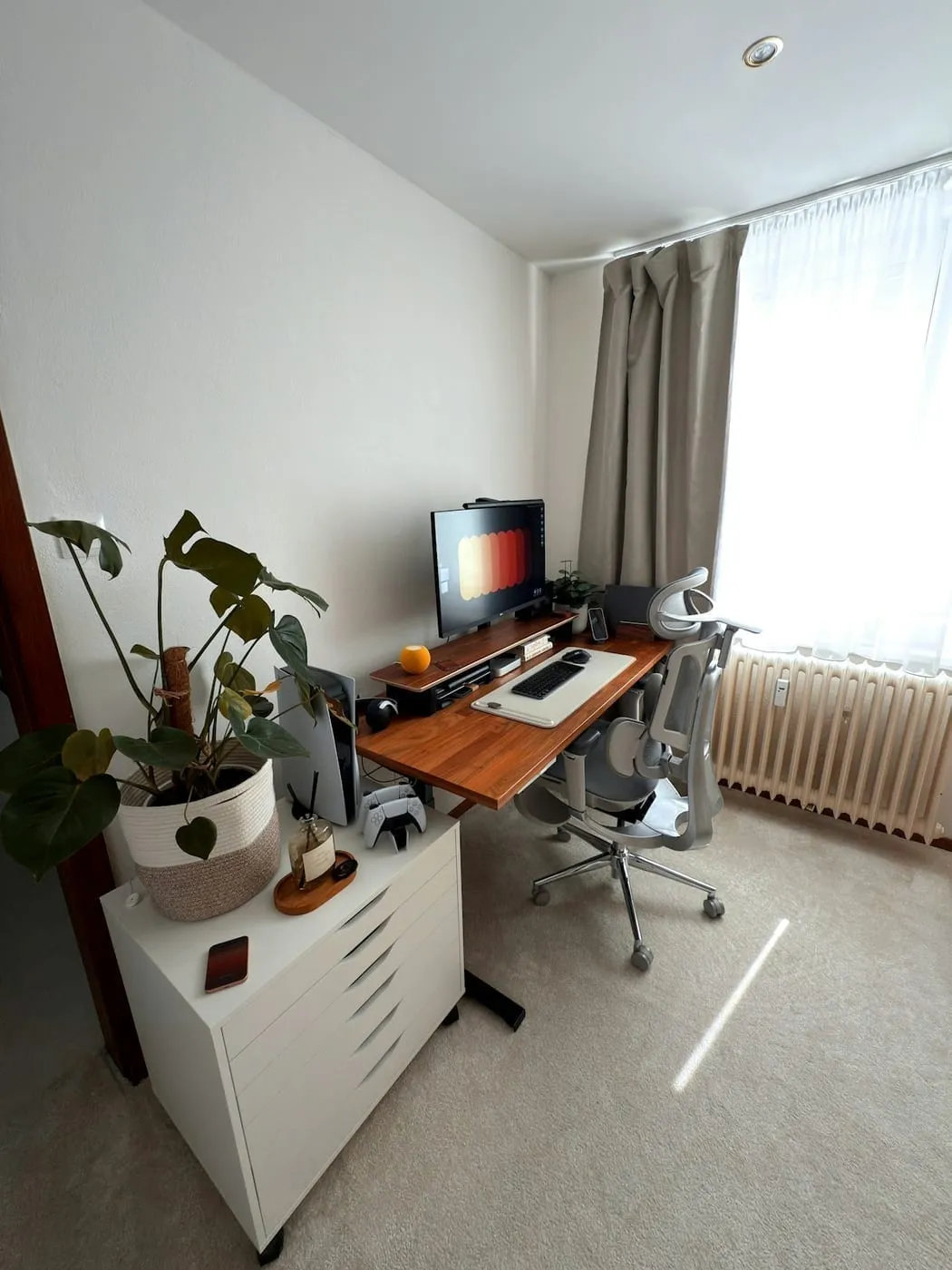
- A rolling drawer unit under or beside the desk (IKEA ALEX, ~$100 CAD) — hides everything you don’t want on show, and rolls out of the way
- A pegboard on the wall (~$30–$50 CAD, Amazon.ca) — headphones, cables, sticky notes, all off the surface
- A monitor riser with storage underneath (~$30–$60 CAD) — lifts the screen to eye level and reclaims the space beneath it
The rule: if it’s on the desktop and you don’t use it every day, it belongs on the wall or in a drawer. A clear surface is what makes a small workspace feel calm instead of chaotic.
How Do You Separate Work From Living in One Room?
Create a visual boundary so the workspace reads as its own zone, even without a wall. Your brain needs the signal that work happens here and stops there — and in a studio or one-bedroom, that boundary is what protects your evenings. A folding screen costs about $80–$150 CAD at Wayfair Canada or Structube and folds away entirely when the workday ends, unlike a rug or bookshelf divider that stays in place permanently.
The easiest ways to divide a work zone in a small apartment:
- A rug under the desk — the simplest zoning trick; it visually “claims” the corner as a workspace
- An open bookshelf as a divider — a KALLAX standing on its end screens the desk while storing your things (doubles as office storage)
- A folding screen (~$80–$150 CAD, Wayfair Canada or Structube) — folds away entirely when you want the room back
- A curtain on a ceiling track — draws across to hide the desk after hours, disappears during the day
For a single-room layout, our small space furniture guide covers furnishing a single-room layout, and small space living room ideas covers the light-and-mirror tricks that keep a divided room from feeling chopped up.
Make It Feel Like a Space You Want to Be In
A home office you actually enjoy sitting in is one you’ve styled, not just equipped. This matters more than people admit — you spend more waking hours here than almost anywhere else in the apartment, so a few decor touches earn their keep.
What works in a small workspace without adding clutter:
- One plant — a pothos or snake plant softens all the hard tech and screens (low-light tolerant, renter-proof)
- A single framed print above the desk — a focal point that isn’t a monitor
- A warm desk lamp — kinder than overhead light on video calls, and it makes the corner feel like a room, not a workstation
- A consistent colour — matching your storage boxes and accessories to two or three tones keeps a busy tech corner looking intentional
If you lean minimal, our minimalist small apartment ideas post covers the “fewer, better things” approach that suits a small office especially well — less on the desk means less visual noise while you work.
Where to Buy Home Office Pieces in Canada
Facebook Marketplace and Kijiji list second-hand desks and chairs at roughly 40–60% off retail, making them worth checking before paying full price at IKEA or Wayfair Canada.
| Store | Best For | Price Range |
|---|---|---|
| IKEA | Desks, shelves, drawer units — best value | $ |
| Wayfair Canada | Office chairs, wider desk selection | $$–$$$ |
| Amazon.ca | Fold-down desks, pegboards, monitor risers | $ |
| Structube | Mid-range desks and chairs, apartment-sized | $$ |
| HomeSense | Desk lamps, decor, storage baskets | $$ |
| Facebook Marketplace / Kijiji | Second-hand desks and chairs, 40–60% off | $ |
Start with the desk and the chair — those two decide whether the space works. Add storage and decor once you know how you actually use the corner. And when in doubt on desk size, go smaller: a compact desk in a clear corner beats a big one crammed against the bed.
→ Setting up the rest of the room too? Our small space living room ideas and renter-friendly apartment decor ideas cover how to make a work corner blend into the space it shares.
→ Need a break-room reset? Small apartment bathroom storage ideas covers the room right next to most home offices.