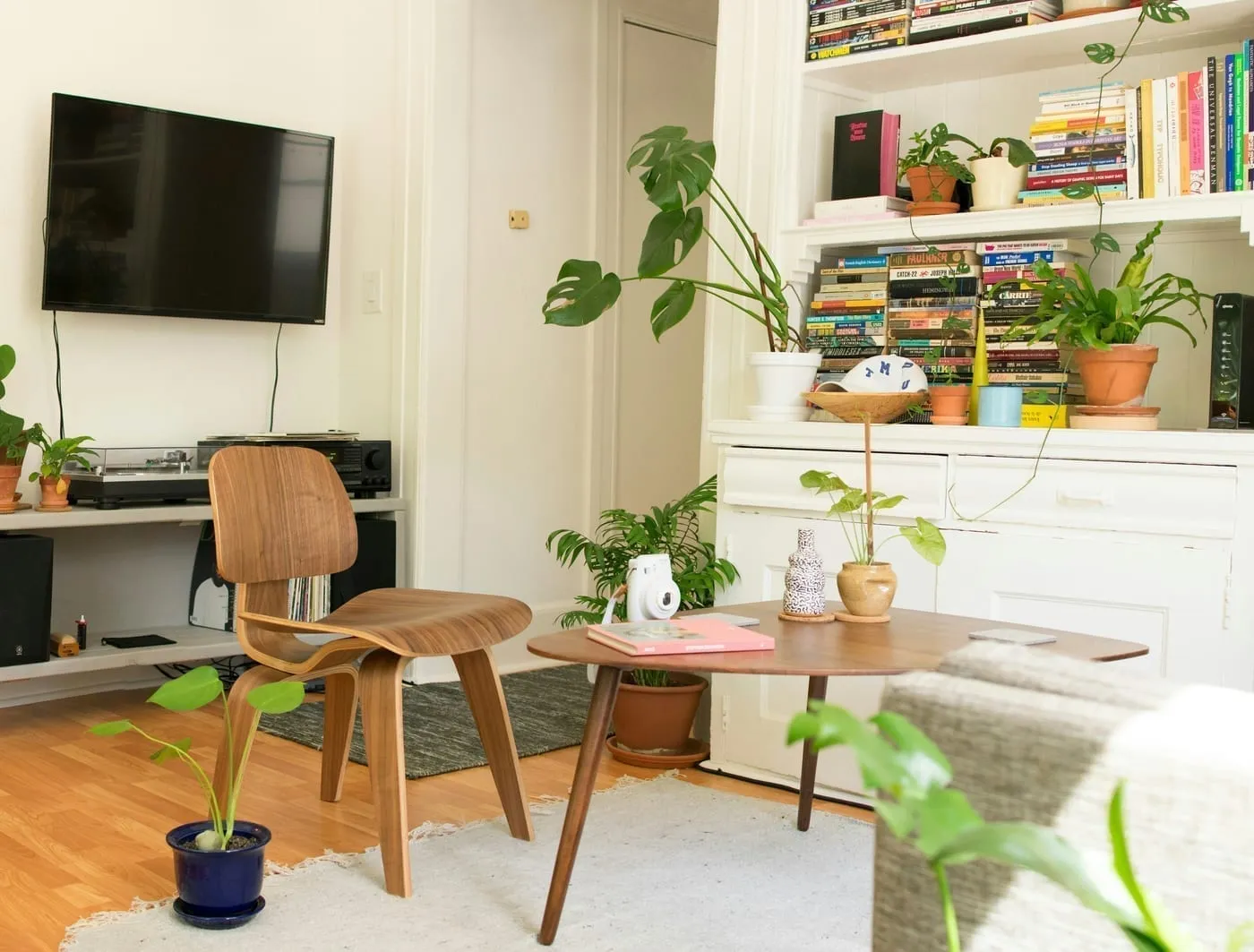

Condo living in Toronto or Vancouver means a unique storage problem: the unit is often smaller than a comparable rental apartment, but the building rules are usually stricter about what you can attach to a wall. No drilling into shared walls, balcony restrictions that vary by board, and elevators that weren’t built with furniture deliveries in mind. Here’s what actually works — tested against those exact constraints, not generic small-space advice.
TL;DR:
- Go vertical first — floating shelves and over-door storage add capacity without touching a wall stud
- Check your building’s elevator dimensions before ordering furniture — this is the condo-specific step apartment guides skip
- A storage locker only pays for itself for bulky seasonal items (bikes, winter tires) — in-suite solutions handle everything else for a fraction of the cost
- All ideas below are landlord- and condo-board-safe: no drilling, no permanent changes
1. What’s the Fastest Way to Add Storage in a Small Condo?
The wall space above eye level is the most consistently wasted area in any condo, regardless of layout. A floating shelf above the sofa, above a doorway, or flanking a TV console adds real capacity in the one place nobody else is using.
Options:
- Floating shelves (adhesive-mount, no drilling) — ~$25–$45 CAD, Amazon.ca or IKEA LACK shelf
- Over-door organizer for closets and the bathroom — ~$20–$35 CAD
- A tall, narrow bookshelf (IKEA BILLY, 40 cm wide) — ~$79–$99 CAD, fits beside a sofa or in an entryway
Why this matters more in a condo than a rental house: condo square footage is usually smaller per dollar than a comparable rental apartment in the same neighbourhood, so vertical space is doing more work per square foot here than almost anywhere else.
2. Is a Condo Storage Locker Actually Worth the Cost?
Most Toronto and Vancouver condo buildings offer a locker as an optional add-on, typically $50–$150 CAD a month if it’s not already included in your unit. Before paying for one, exhaust in-suite options first:
- Under-bed storage with risers (~$15–$25 CAD) — often the single biggest untapped space in a condo bedroom
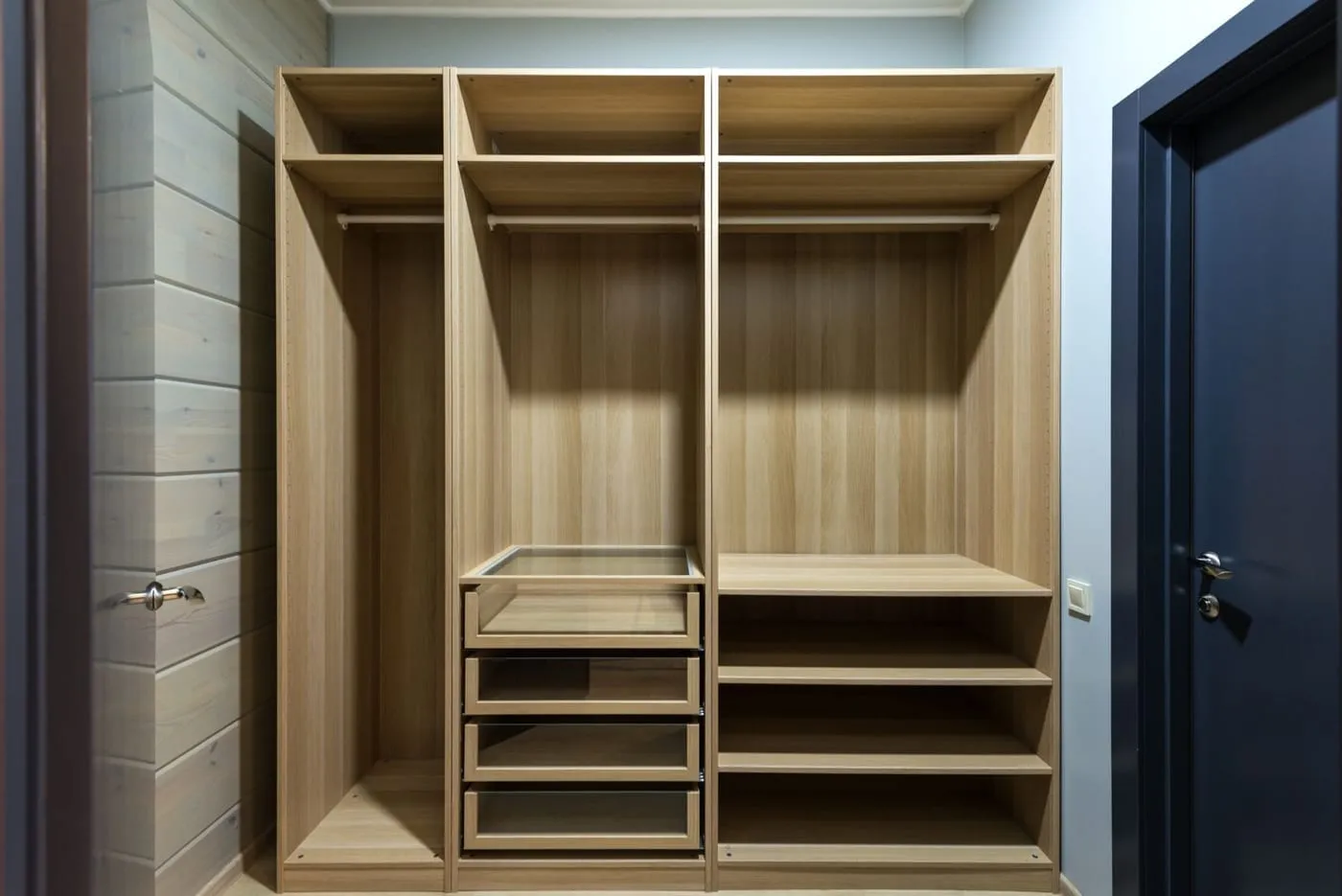
- A full closet system overhaul (slim hangers, stackable bins) — under $100 CAD total
- Over-toilet and over-door bathroom storage — under $130 CAD combined, see our bathroom storage guide
The math: a locker costs $600–$1,800 CAD a year. In-suite solutions solving the same problem cost under $300 CAD once. A locker only clears that bar for genuinely bulky items — bikes, winter tires, out-of-season sports gear — that physically cannot compress into a closet.
3. What Furniture Fits a Small Toronto or Vancouver Condo?
The multi-function rule applies here exactly as it does in any small apartment — every piece should do at least two jobs. The condo-specific step most guides miss: measure your building’s elevator and hallway before ordering anything large. Many downtown towers built in the last 15 years have service elevators sized for moving boxes, not furniture, and a sofa that doesn’t fit is an expensive return.
- IKEA NORDLI storage bed (~$399–$699 CAD) — drawers replace a dresser, critical in a smaller condo bedroom
- IKEA KALLAX (~$130–$159 CAD) — works as a room divider in open-concept condo layouts
- Apartment-size sofa under 200 cm (IKEA VIMLE or ÄPPLARYD) — confirm it clears your elevator door width, not just your unit door
For the full furniture breakdown with more picks and prices, see our apartment size furniture guide.
4. Where Do You Store Bikes and Seasonal Gear Without a Garage?
Condos rarely have garage or shed space, so bikes and bulky seasonal gear need a different answer than a house would.
- Wall-mount bike rack, tension or freestanding (~$25–$40 CAD, Canadian Tire or Amazon.ca) — keeps a bike vertical in an entryway corner without drilling
- Weatherproof deck box for balcony gear, if your board allows balcony storage (varies — check your condo’s specific bylaws)
- Seasonal rotation system for winter tires and off-season clothes — our seasonal storage guide covers the vacuum-bag and bin system that works in tight closets
5. What Storage Rules Are Different for Condos vs. Rental Apartments?
The underlying principles — no drilling, go vertical, multi-function furniture — are identical to any small rental. What changes is building governance:
- Condo boards often have stricter, more specific rules than an individual landlord about balconies, hallways, and shared-wall attachments
- Elevators can be a real constraint in older or purpose-built rental buildings that aren’t an issue in a house
- Lockers are a condo-specific amenity most standalone rental apartments don’t offer at all
Always check your specific building’s bylaws before installing anything in a shared or semi-shared space — rules vary significantly even between buildings in the same Toronto or Vancouver neighbourhood.
Want the full room-by-room system this is built on? See our complete apartment organization guide, or grab the free 23-Point Storage Checklist to work through your whole condo one room at a time.