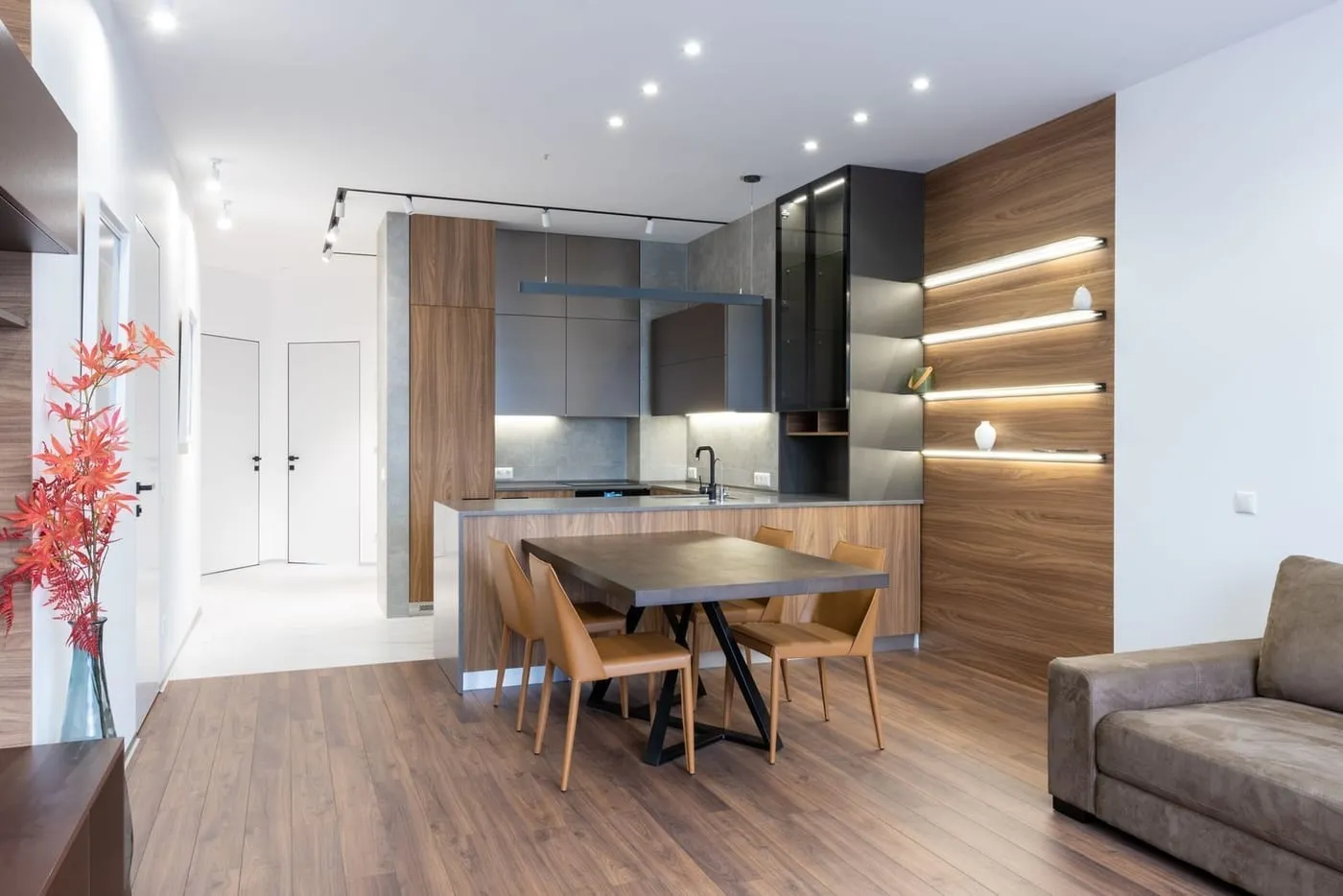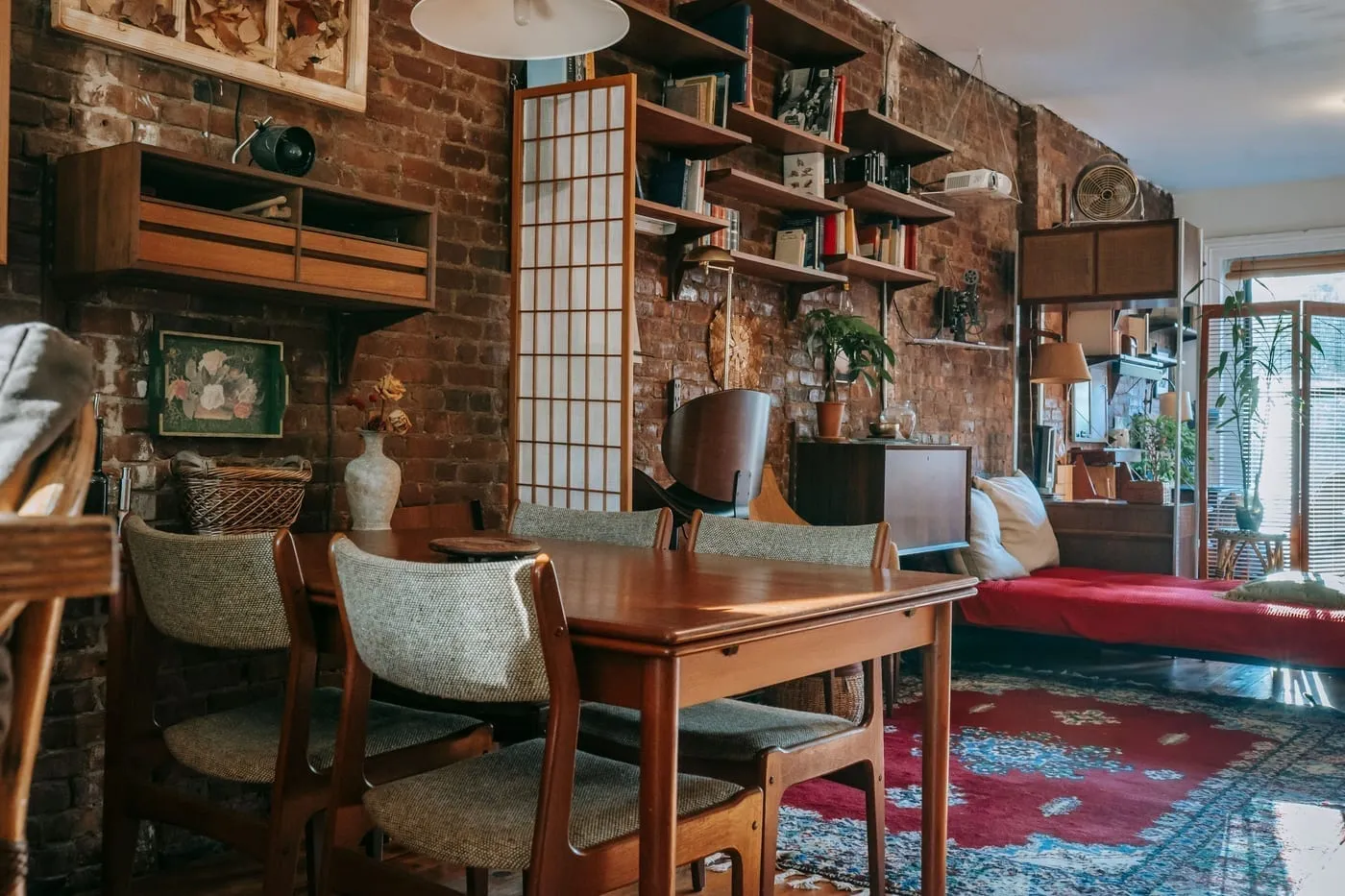

Toronto renting means one thing above almost every other Canadian city: your unit is probably smaller than you’d get for the same rent in Calgary or Halifax, and it’s probably in a highrise condo, not a house. Studios commonly run 350–500 sq ft, one-bedrooms 500–650 sq ft. The building stock splits into three eras: pre-war and postwar low-rises with real closets, 1960s–80s highrises with awkward layouts, and post-2010 condo towers built compact by design. Each type changes what actually works for storage and furnishing.
Fast Facts: Small-Space Renting in Toronto
- Typical studio: 350–500 sq ft · Typical 1-bed: 500–650 sq ft
- Rent: varies widely by neighbourhood and building age — check current listings on rentals.ca or the CMHC Rental Market Report for your specific area before budgeting, rather than relying on a citywide average
- Common building types: pre-war/postwar low-rises (Annex, Riverdale), 1960s–80s highrise “apartment belt” towers (North York, Etobicoke), and post-2010 condo towers (downtown core, waterfront)
- Key local retailers: IKEA Etobicoke and IKEA North York, Structube (multiple downtown locations), Canadian Tire, Facebook Marketplace Toronto groups
What Makes Moving Day Different in Toronto?
Condo moves in Toronto almost always require booking a freight elevator in advance, something a house or walk-up move never demands. Most towers require a two-hour elevator booking window with a refundable damage deposit (common condo management practice, verify with your specific building), and missing that window can push your move to the following week.
[PERSONAL EXPERIENCE] I moved into a King West tower without booking the elevator first. Management turned us away at the door, and we spent four hours re-parking a loaded truck on a street with a two-hour meter limit. Book the elevator the same day you get your keys, not the week before you move.
A few Toronto-specific logistics to sort early:
- Elevator booking: call or email the property manager as soon as you have a move date, ideally 2–3 weeks out
- Loading zones: downtown streets often have no dedicated loading spot, and parking enforcement is active, so confirm where the truck can legally sit
- Lease-start timing: unlike Quebec’s single July 1 date, Toronto leases start year-round, but May through September has the highest move volume, meaning movers book up fastest then
- Damage deposits: many condo boards charge $200–$500 CAD refundable for the move itself, separate from your unit’s security deposit
If you’re comparing notes with a friend moving within Canada, our Quebec Moving Day guide shows how differently one province handles the exact same problem — Quebec’s single July 1 lease-turnover date versus Toronto’s year-round scramble.
What Are the Storage Realities in Toronto Buildings?
Storage in Toronto depends entirely on your building’s era, and the fix in a 2015 condo tower rarely works the same way in a 1970s highrise. Newer condo towers have smaller closets but often include a locker; older highrises have deeper closets but no in-suite laundry or extra storage.
Pre-war and postwar low-rises tend to have real, if small, closets and sometimes a basement storage cage. 1960s–80s highrise towers often have decent closet depth but almost no other built-in storage, and lockers are hit or miss. Post-2010 condo towers are built compact, with closets sized for a minimalist lifestyle, though many include a small locker in the building’s storage room.
[UNIQUE INSIGHT] The building-era pattern matters more than square footage alone. Two units at the same 500 sq ft can have completely different real storage capacity depending on whether the closets were designed in 1975 or 2018, since older buildings simply had looser space standards before condo construction costs made every square foot count.
For the full room-by-room storage system, no drilling, elevator-size furniture math, and the real math on whether a locker is worth paying for, see our complete Toronto & Vancouver condo storage guide. It covers this in depth so we won’t repeat it here.
How Much Does It Cost to Furnish a Small Toronto Unit?
Furnishing a small Toronto apartment from scratch typically lands between $800–$2,500 CAD depending on how much you buy new versus secondhand, with Facebook Marketplace cutting that total significantly. A full secondhand furnish (dresser, table, sofa) commonly runs $250–$600 CAD total, per typical Marketplace listing ranges in the city.
Here’s a realistic breakdown for a studio or one-bedroom:
- Bed frame + mattress: $300–$600 CAD new (IKEA), or a mattress new + frame secondhand for less
- Sofa or loveseat, apartment-size: $150–$400 CAD secondhand, $400–$900 CAD new
- Dresser: $60–$150 CAD secondhand (Facebook Marketplace), $100–$250 CAD new
- Dining table for 1–2: $50–$150 CAD secondhand, $80–$250 CAD new
- Storage basics (shelving, bins, hooks): $100–$200 CAD total, Canadian Tire or Amazon.ca
Mixing new and secondhand keeps quality where it matters (mattress, upholstery) and savings where it doesn’t (dressers, tables). Our Facebook Marketplace furnishing guide has the full search strategy, safety tips, and what to never buy used.
What Renter-Safe Decor Actually Works in a Toronto Rental?
Renter-safe decor in Toronto follows the same no-drill rule as anywhere in Canada, but condo boards and older-building landlords tend to enforce it more strictly than a small private landlord might. Command strips, tension rods, and adhesive hooks cover most decorating needs without risking your damage deposit.
The core toolkit: Command strips and hooks for wall art and light shelving, a tension curtain rod for room dividers or closet doors without one, and peel-and-stick options for any surface you’re not allowed to paint. For the full decorating playbook with product picks and CAD prices, see our renter-friendly apartment decor guide and command strip decorating hacks.
Balcony rules deserve a specific mention here. Many Toronto condo boards restrict what can go on a balcony, from planters to string lights, so check your building’s bylaws before buying anything for that space. Our balcony ideas guide covers renter-safe options that tend to clear most boards, but always confirm locally first.
Recommended Local Retailers for Toronto Renters
IKEA Etobicoke and IKEA North York — the two GTA locations for full-size furniture, small-space storage systems, and the widest apartment-size sofa selection in the city. Delivery is worth paying for if you don’t have a vehicle, given both stores sit outside downtown.
Structube — multiple downtown Toronto locations, good for mid-range furniture with a more design-forward look than IKEA, useful if you want a sofa or accent chair that doesn’t look identical to every other rental unit.
Facebook Marketplace (Toronto groups) — the best source for secondhand dressers, tables, and bookshelves, especially during May–September move season when relocating renters list in bulk. See our full guide above for search strategy.
Canadian Tire — closest option for renter-safe hardware: Command strips, tension rods, wall hooks, and basic storage bins, with locations across every Toronto neighbourhood so you rarely need to trek downtown for small items.
FAQ
How small are apartments in Toronto? Studios typically run 350–500 sq ft, and one-bedrooms usually fall between 500–650 sq ft, smaller than the Canadian average. Much of the recent condo stock was built compact to keep purchase and rent prices manageable.
Do I need a condo locker in Toronto? Only after you’ve maxed out in-suite storage, vertical shelving, under-bed bins, a storage ottoman, and still have bulky seasonal items like bikes or winter tires. Our condo storage guide breaks down the actual cost math.
When is the best time to move apartments in Toronto? There’s no single fixed date like Quebec’s July 1. May through September sees the highest volume of moves and listings, so book movers and your building’s elevator well ahead during that window.
What’s the cheapest way to furnish a small Toronto apartment? Facebook Marketplace and IKEA cover most budget furniture needs, with secondhand dressers and tables running well below retail prices. Our Marketplace furnishing guide has the full strategy.
Toronto renting rewards a little upfront planning: book the elevator early, know your building’s era before you plan storage, and mix new and secondhand furniture to stretch a modest budget. This guide is meant as a starting point, not the whole story — follow the links above for the room-by-room detail on storage, decor, and furnishing.