TL;DR: Declutter first (costs nothing). Then vertical space — over-door organizers and tall shelving. Then hidden storage — under-bed bins and storage furniture. Total cost for a real small-apartment organization system: $50–$150 CAD, depending on what you already own.
Most small Canadian apartments don’t actually have a storage shortage. They have a half-empty shelf next to an overstuffed drawer, a closet with six inches of dead space at the top, and a chair doing double duty as a coat rack because nobody ever gave the coats a real home. The storage was probably always enough — it just never got organized on purpose.
For a room-by-room storage furniture guide, see storage ideas for small Canadian apartments. This post is about the organization system — how to use space you already have.
Step 1: Declutter Before You Organize
Buying organizers for things you don’t need is the most common small-apartment mistake, and it’s an easy one to make — a $25 bin feels like progress, even when it’s just a nicer box for stuff you should have donated. It adds cost, adds clutter, and makes future organizing harder, because now there’s a labelled container actively defending junk that was headed for the donation pile anyway.
Key takeaway: The most common small-apartment organisation mistake is buying storage products before decluttering. Working through one category at a time — clothes unworn in 12 months, duplicate kitchen utensils, expired bathroom products — removes the root problem before spending money on containers for things that should be discarded.
Work through one category at a time — not one room at a time:
- Clothes — anything not worn in 12 months, or that doesn’t fit the actual life you live in Canada (a parka that works, not four that sort-of work)
- Kitchen — duplicate utensils, appliances you use less than once a month, expired pantry items
- Bathroom — expired products, duplicates, anything bought with good intentions
- Paper — anything not needed for taxes, insurance, or active projects
Use a three-way sort: keep, donate/sell, discard. Don’t create a “maybe” pile — it always ends up back in the apartment.
Free tip that actually works: Put everything from one category into a bag or box, then only put items back that earn their place. What’s left in the box after a week can go.
Step 2: Assign Every Category a Home
Clutter in small apartments is almost always caused by items without a designated spot. Keys, mail, chargers, medicine, paperwork — each one needs a fixed location, not “somewhere on the counter.” If you’ve ever spent four minutes patting down the same jacket pocket looking for your keys while already running late, that’s not a you problem. That’s a keys-don’t-have-a-home problem, and it’s fixed in about ninety seconds with a hook by the door.
| Category | Home |
|---|---|
| Keys, wallet, sunglasses | One tray or hook by the door |
| Mail and paperwork | One folder or tray — processed weekly |
| Chargers and cables | One drawer or cable box |
| Medicine | One dedicated cabinet shelf |
| Cleaning supplies | Under the kitchen or bathroom sink |
| Extra bedding | Under-bed bins, labelled |
The goal is that every item has exactly one place where it lives. If it doesn’t have a place, it lives on a surface — and that’s how surfaces become permanently cluttered.
Step 3: Use Vertical Space
In a small apartment, floor space is the scarcest resource. Anything that can move to a wall or a door should.
Over-door organizers — the most underused storage in most apartments. The back of a bedroom door, bathroom door, and pantry door can each hold more than a full shelf unit:
- Bathroom door: toiletries, medicine, hair tools (~$15–$25 CAD at Dollarama or Walmart)
- Bedroom door: accessories, shoes, off-season items (~$20–$35 CAD)
- Kitchen/pantry door: spices, snacks, cleaning supplies (~$20–$40 CAD)
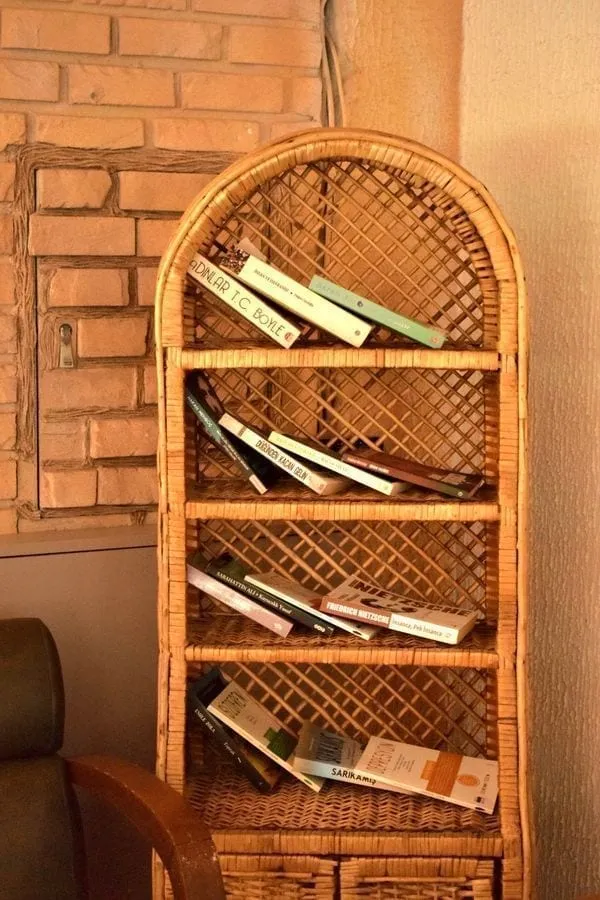
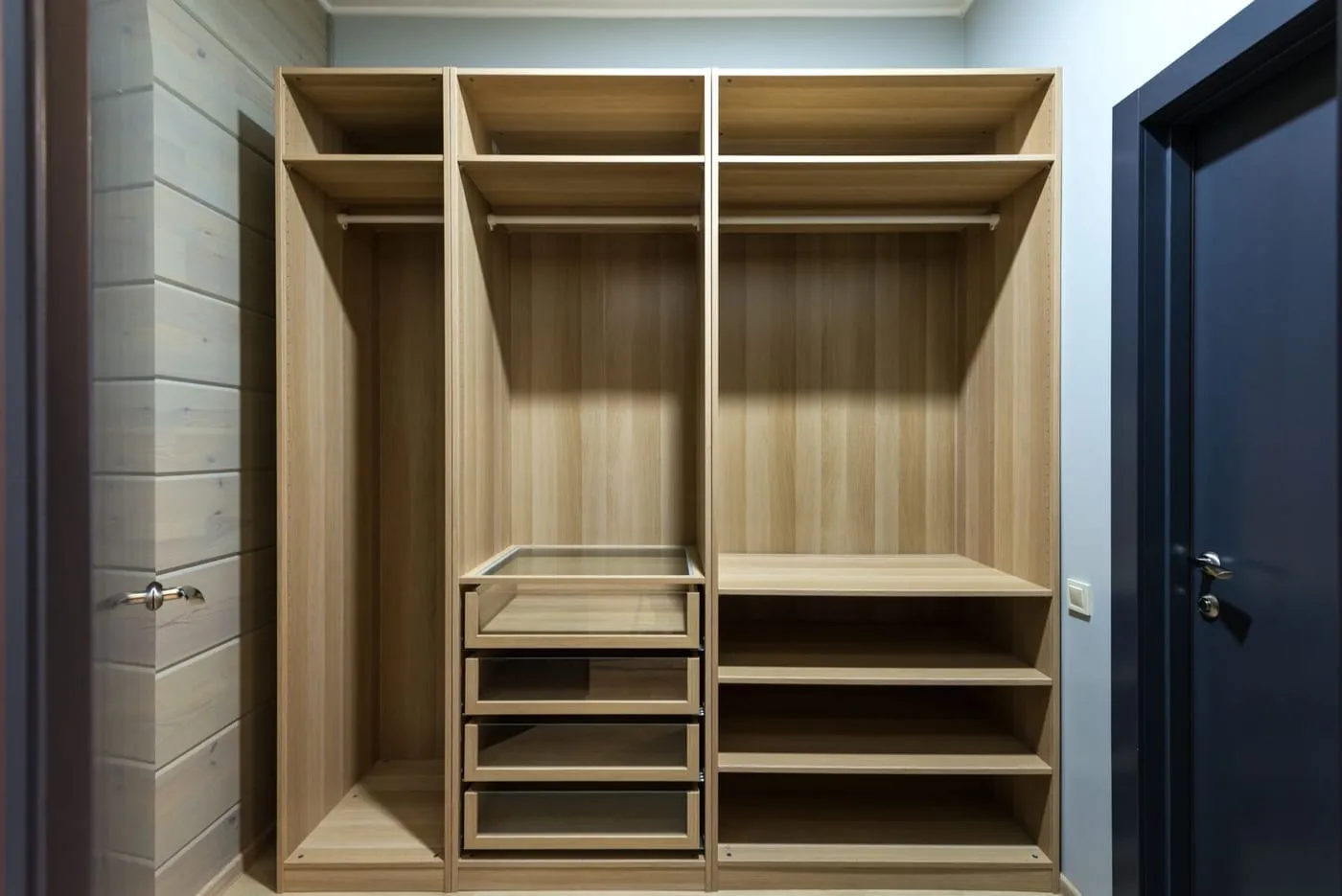
Tall, narrow shelving — go up to the ceiling rather than spreading across the floor. IKEA BILLY (40cm narrow, ~$79–$99 CAD) fits beside a bed, behind a sofa, or in a bathroom corner. IKEA KALLAX (2×4 vertical, ~$130 CAD) acts as a room divider and storage unit simultaneously.
Wall hooks — renter-safe adhesive hooks (3M Command strips, rated 3.5–7.5 kg depending on size) handle coats, bags, hats, and kitchen utensils. One row of hooks near the door eliminates chair-as-coat-rack.
Step 4: Use Hidden Storage
Hidden storage is what separates an organized small apartment from one that just looks organized until a drawer is opened.
Under the bed is the biggest overlooked storage zone in most Canadian apartments. A standard queen bed frame with 20–25cm clearance can hold four flat lidded bins. Use them for:
- Off-season clothing (winter clothes in summer, summer clothes in winter)
- Extra bedding and towels
- Shoes and boots not in current rotation
- Luggage
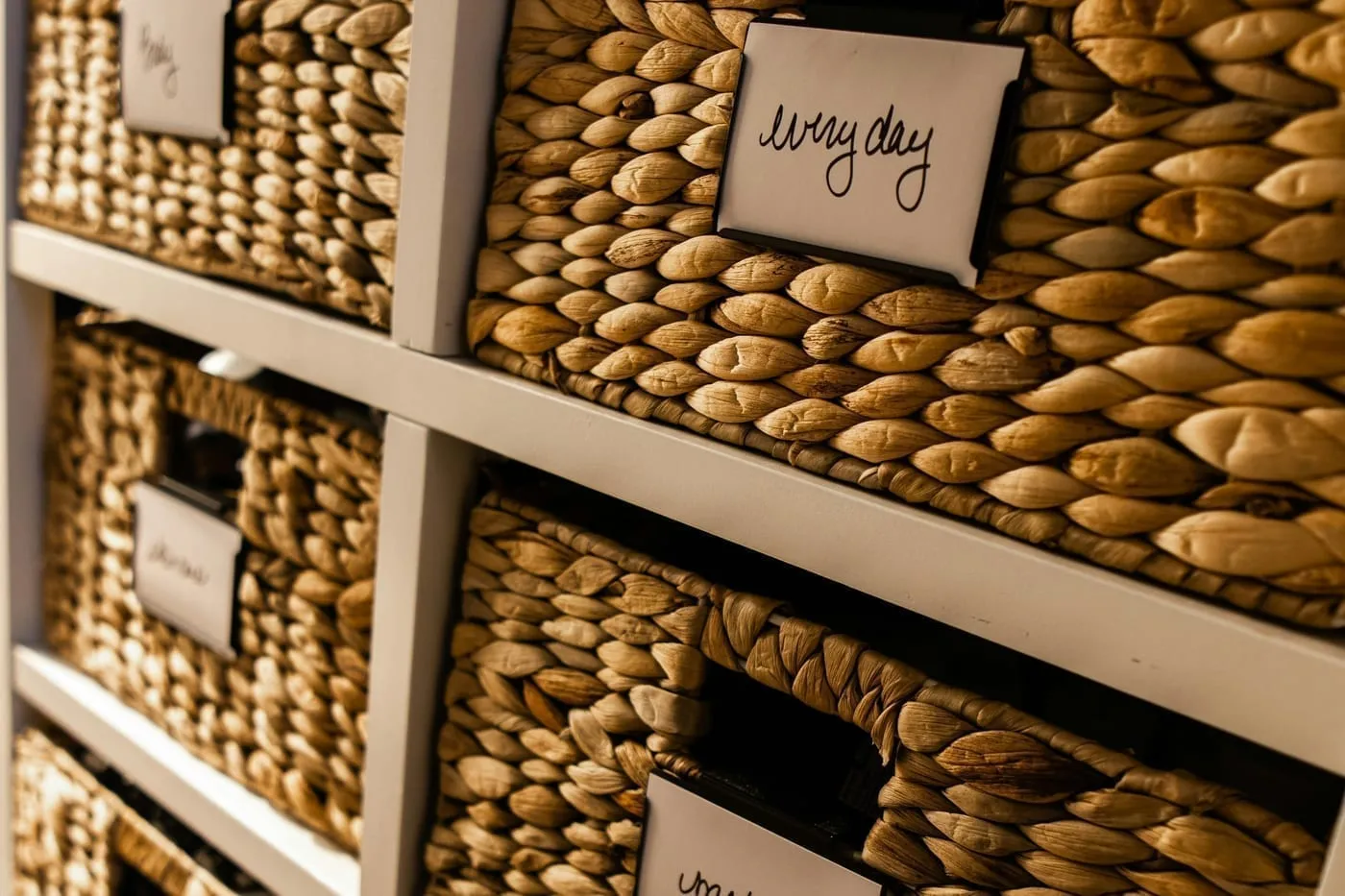
Flat bins with lids: $10–$20 CAD each. Clear sides make it easy to find what you stored.
Inside existing furniture — before buying new storage pieces, look at what you already own:
- Luggage: store off-season items inside suitcases that would otherwise sit empty
- Ottoman: if it doesn’t open for storage, it’s doing only one job
- Bed frame: if it doesn’t have drawers or clearance for bins, a simple bed riser kit (~$25–$40 CAD) adds 10–15cm of extra clearance — or skip risers entirely with a proper storage bed built for small-space furnishing
For the room-by-room furniture and product picks (kitchen carts, bedroom storage furniture, bathroom organizers, entryway racks with CAD prices), see 23 Small Apartment Storage Ideas — this post stays focused on the system and habits, not the shopping list.
The 10-Minute Daily Reset
The difference between an apartment that stays organized and one that’s always a weekend project:
- Clear every horizontal surface except what’s supposed to be there (2 min)
- Return everything on the floor to where it lives (2 min)
- Wipe the kitchen counter and sink (2 min)
- Put away anything left on chairs or the sofa (2 min)
- Check the mail tray — process or file anything new (2 min)
This doesn’t require tidiness or a large apartment. It requires that everything has a place to return to — which is what steps 1–4 above establish.
Budget Summary
| Level | What it covers | Approx. cost (CAD) |
|---|---|---|
| Free | Declutter + rearrange what you own | $0 |
| Basic | Over-door organizers, drawer dividers, boot tray | $50–$80 |
| Standard | Add under-bed bins + rolling cart + shelf risers | $120–$180 |
| Full | Add KALLAX or BILLY shelving unit | $200–$280 |
Start with free. Most apartments are significantly more organized after a real declutter with no purchases at all. Add organizers only for specific, identified problems — not because they look good in a photo.
Related:
- 23 Small Apartment Storage Ideas — furniture and product guide
- Small Closet Organization for Renters — closet-specific system
- Small Space Furniture Canada — the specific furniture products and prices behind everything above
- First Apartment Essentials Checklist — what to buy first
- Under Sink Organizer Ideas — fixing the most wasted storage zone in the apartment
- Small Space Desk Ideas — organizing a WFH setup without a spare room