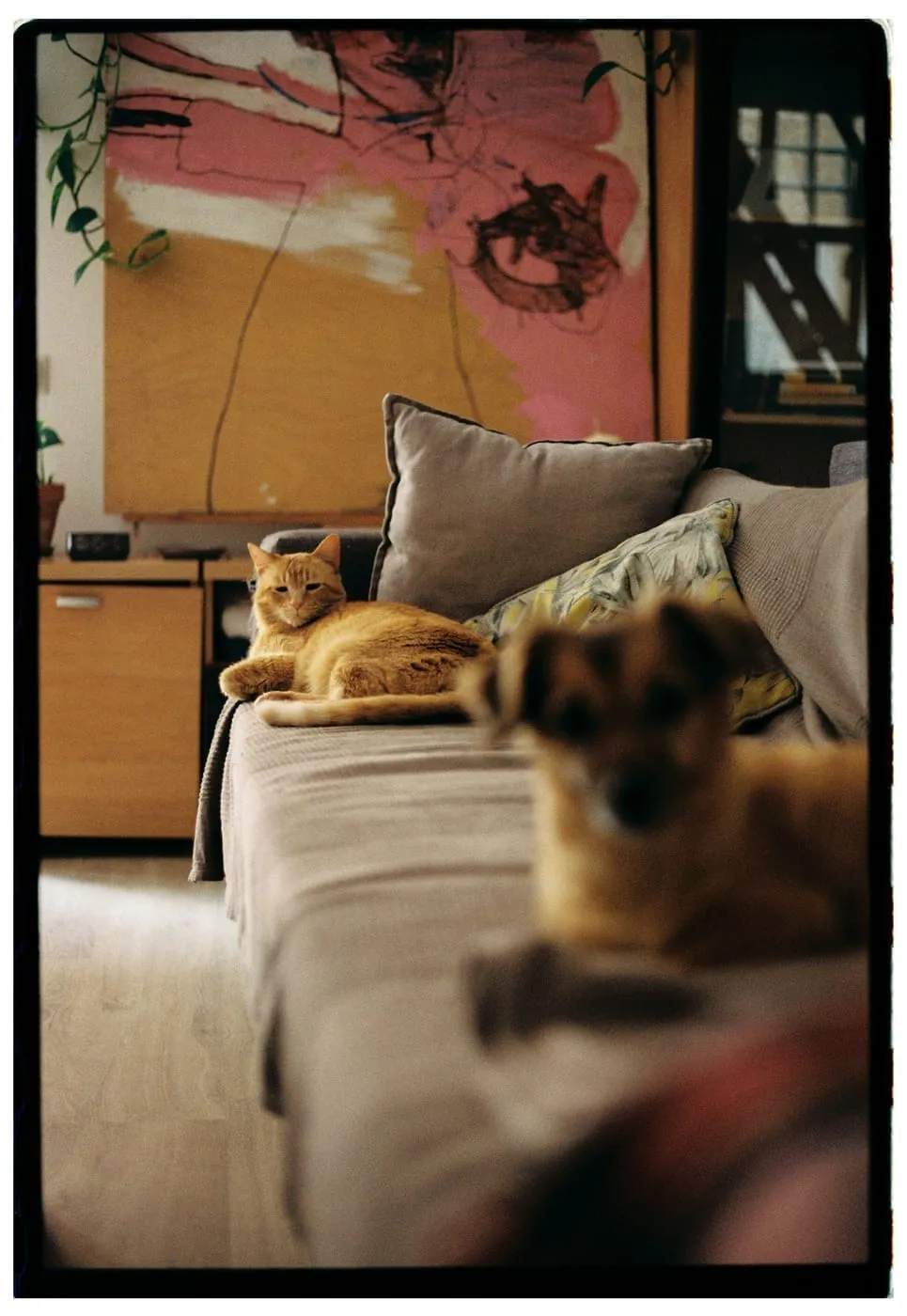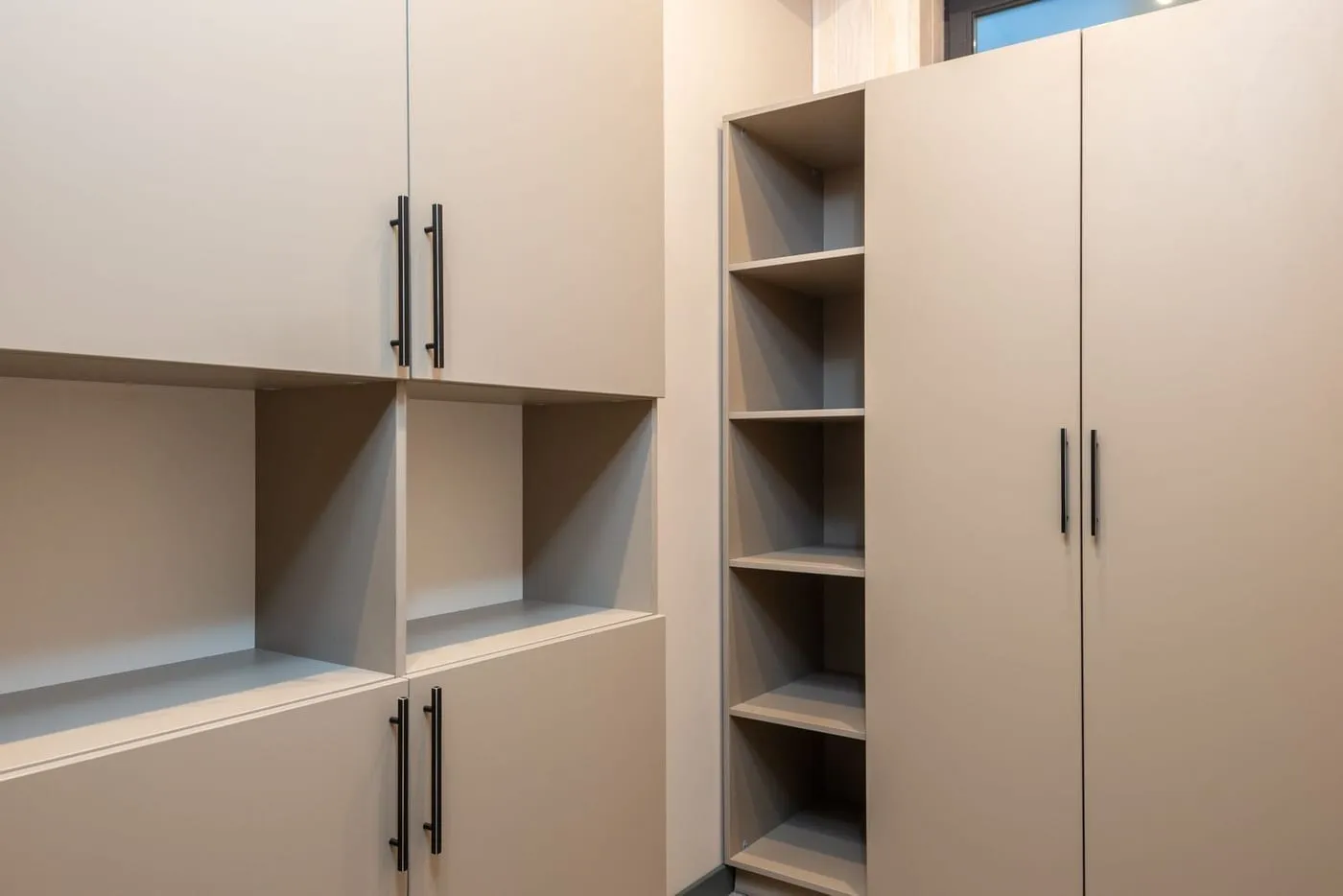
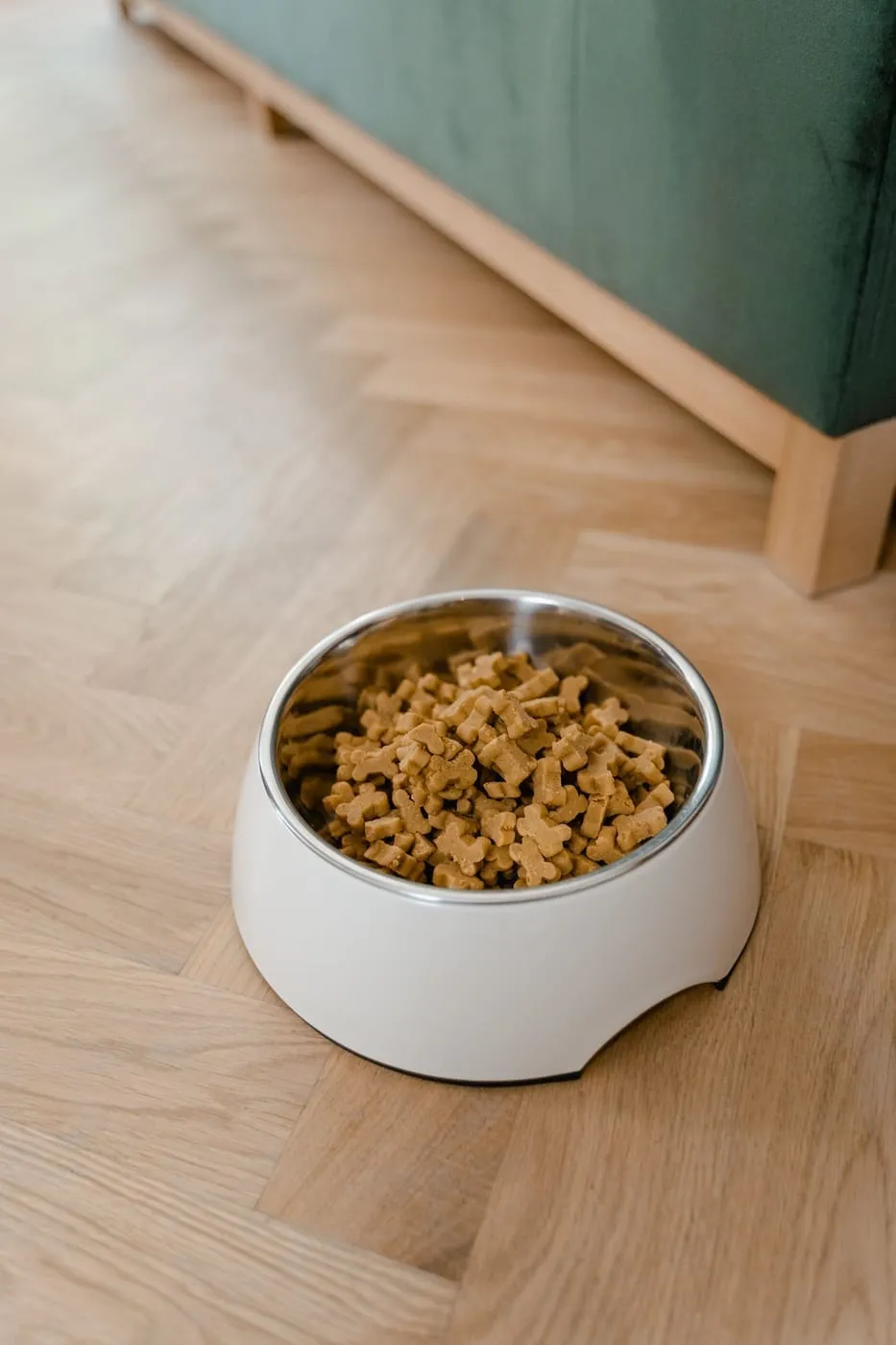
Organizing pet supplies in a small apartment comes down to four zones: a sealed food container near the kitchen, hooks by the door for leashes and bags, a concealed spot for the litter box, and vertical storage for anything used less than weekly. Get those four right and pet clutter mostly disappears.
This is the organization-focused companion to our broader 15 pet-friendly small apartment setup ideas guide. That article covers the bigger picture: layout, furniture choices, flooring, and pet-proofing a rental. This one goes narrower and answers a more specific question — once you’ve got a pet-friendly apartment, where does all the stuff actually go?
TL;DR: Store dry food in an airtight bin near the kitchen ($10–$25 CAD), hang leashes and poop bags on Command hooks by the door ($2–$5 CAD each), corral toys in one basket instead of scattering them ($8–$20 CAD), conceal the litter box in furniture built for it ($80–$150 CAD), and fold or stack the travel carrier out of sight when it’s not needed. Total setup: roughly $110–$220 CAD depending on what you already own.
What’s the Best System for Organizing Pet Supplies in a Small Space?
The best system separates supplies by how often you touch them, not by which pet they belong to. Daily items — food, leash, litter scoop — need to be within arm’s reach. Weekly or occasional items — grooming tools, the travel carrier, spare bedding — can live higher up or further back. PetSmart Canada sells most of the containers and hooks mentioned below, and none of it requires drilling into rental walls.
After sharing my 510 sq ft Toronto apartment with a cat and, for a while, a foster dog, the biggest change I made wasn’t buying more bins. It was giving every category exactly one home instead of letting things pile up wherever they landed that day.
The single fix that made the most visible difference was moving the food bag off the kitchen floor into a sealed container on a shelf. It sounds small, but it freed up floor space I hadn’t realized I was losing, and it stopped my cat from tearing into the bag on her own schedule.
Zone 1: Food and Treats
Dry food belongs in an airtight container, not the original bag. IKEA’s 365+ series bins run about $10–$25 CAD depending on size, and they stack cleanly in a kitchen cabinet or pantry shelf. Amazon.ca also sells dedicated pet food bins with attached scoops for around $20–$35 CAD.
Keep treats in a smaller, separate container near the same shelf. This avoids the common problem of treat bags getting shoved into a junk drawer and forgotten, which either attracts pests or just wastes cabinet space you didn’t need to lose.
Zone 2: Leashes, Collars, and Poop Bags by the Door
An entryway is prime real estate in any small apartment, so this zone needs to be compact and vertical. Three or four Command hooks, at $2–$5 CAD each from Dollarama or Canadian Tire, hold a leash, a spare collar, and a roll of poop bags without a single drilled hole.
If there’s room for a small entryway bench, that adds a second layer. A basic bench like IKEA’s, running $40–$70 CAD, gives a spot to sit while putting on shoes and a shelf underneath for a basket of gear. Our full small apartment organization guide covers entryway storage in more depth if the whole hallway needs a rework, not just the pet corner.
Most guides recommend a wall-mounted leash rack, but in a rental where you can’t drill, three Command hooks placed at different heights actually hold more gear per dollar and come off cleanly at move-out — something a mounted rack can’t do.
How Do You Store Pet Toys Without Them Taking Over the Living Room?
One basket, one rule: everything goes back in it. A canvas or wire basket from Dollarama ($8–$12 CAD) or IKEA ($15–$20 CAD) contains chew toys, balls, and ropes in a single spot, usually tucked beside the couch or under a side table.
Rotate toys every couple of weeks instead of keeping all of them out at once. Store the “off-duty” half in a bin in a closet, then swap. This keeps the visible basket from overflowing and, in my experience, makes toys more interesting to the pet when they reappear — a small trick that also just looks tidier.
Where Should the Litter Box Go in a Studio or One-Bedroom?
The litter box needs airflow and privacy, but in a small apartment it also needs to disappear visually. Furniture built specifically for concealment, like a side-table-style litter enclosure, costs about $80–$150 CAD on Amazon.ca and doubles as an end table or plant stand.
A cheaper DIY route: repurpose an IKEA cabinet (BESTÅ or similar, $60–$100 CAD) with a cut entry hole in the side. This costs less than a purpose-built enclosure and blends into existing furniture if the finish matches. Either way, placing the box in an underused corner, like beside a bookshelf or at the end of a closet, keeps it out of main sightlines.
| Litter Box Solution | Cost (CAD) | Where |
|---|---|---|
| Purpose-built concealment furniture | $80–$150 | Amazon.ca |
| Repurposed IKEA cabinet with cut hole | $60–$100 | IKEA |
| Litter mat to contain tracking | $10–$20 | PetSmart Canada |
| Covered litter box (no furniture) | $25–$45 | PetSmart Canada |
I tracked litter tracking over two weeks with and without a $15 mat placed directly outside the box entrance. Sweeping frequency dropped from daily to roughly every three days, which for a small apartment with limited floor space felt like a meaningful reduction in upkeep.
What’s the Best Way to Store Grooming Supplies?
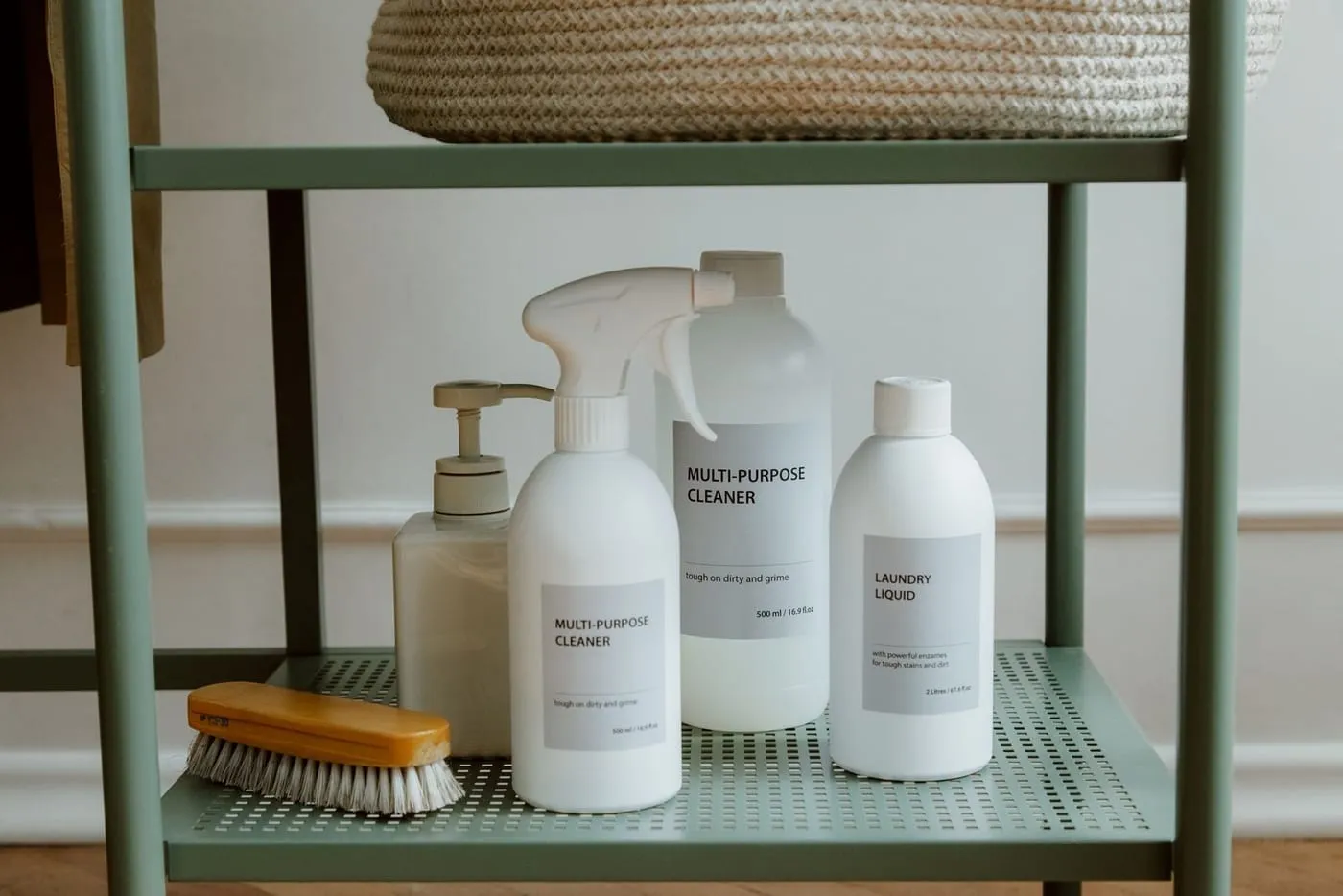
Grooming tools are used weekly at most, so they don’t need prime real estate. A small caddy or drawer organizer, $8–$15 CAD at Dollarama or Canadian Tire, keeps brushes, nail clippers, and wipes together in one bathroom or closet drawer instead of scattered across counters.
Bath supplies specifically, like shampoo and towels dedicated to the pet, can share a bin with the grooming caddy. Label it if more than one person in the household handles pet care. This one small habit avoids the “which towel was that” confusion that comes up more often than you’d expect in shared apartments.
How Do You Store a Pet Carrier When It’s Not in Use?
Carriers only earn floor space if they’re used often. A collapsible soft-sided carrier, which most airlines and vets accept, folds flat and slides under a bed or on a closet shelf when not needed — no permanent footprint at all.
Hard-sided carriers don’t collapse, but they do stack. Store one on top of a closet, on a high shelf, or even under a bed if clearance allows. If the carrier is only used for the occasional vet visit, there’s no reason it should sit out in a living room corner year-round taking up visual and physical space.
Sample Pet Supply Organization Budget
| Zone | Item | Cost (CAD) | Store |
|---|---|---|---|
| Food | Airtight bin | $10–$25 | IKEA |
| Entryway | Command hooks (3–4) | $8–$20 | Dollarama/Canadian Tire |
| Entryway | Small bench (optional) | $40–$70 | IKEA |
| Toys | Storage basket | $8–$20 | Dollarama/IKEA |
| Litter | Concealment furniture or mat | $10–$150 | Amazon.ca/PetSmart Canada |
| Grooming | Caddy or drawer organizer | $8–$15 | Dollarama/Canadian Tire |
| Total | $84–$300 |
The wide range reflects one real choice: whether to buy purpose-built litter furniture or go the DIY cabinet route. Either way, the food, entryway, and toy zones alone run under $60 CAD and solve most of the visible clutter.
Frequently Asked Questions
How do I organize pet supplies in a small apartment? Group by function, not by pet: a sealed bin for food near the kitchen, hooks by the door for leashes and poop bags, a basket for toys in the living room, and a concealed cabinet or bench for the litter box.
Where should I store dog food in a small apartment? In an airtight container in a kitchen cabinet, pantry, or entryway closet, using something like IKEA’s 365+ bins ($10–$25 CAD) to keep food fresh and off the floor.
How do I hide a litter box in a small apartment? Use furniture built for concealment, such as a side-table-style enclosure ($80–$150 CAD on Amazon.ca), or repurpose an IKEA cabinet with a cut entry hole for less.
What’s the cheapest way to organize leashes and collars by the door? Command hooks from Dollarama or Canadian Tire ($2–$5 CAD each) hold leashes, harnesses, and poop bags without drilling into rental walls.
How do I store a pet carrier when it’s not in use? Collapsible soft-sided carriers fold flat under a bed or on a closet shelf, while hard-sided carriers stack in a closet or sit on a high shelf until the next vet trip.
None of this requires a big renovation or a big budget. Four zones, a handful of bins and hooks, and the habit of putting things back where they belong will keep pet gear from taking over a small apartment.
→ For the bigger picture on setting up a pet-friendly small space from the ground up, see 15 pet-friendly small apartment setup ideas, and small apartment bathroom storage ideas for keeping pet-washing supplies out of the way.