Canadian apartments in major cities tend to run small, and singles under 35 often end up in the tightest units of all. No wonder we’re all competing for every vertical inch above head height. I installed a tension rod above my kitchen counter in my 510 sq ft Toronto rental using only a 72“ adjustable rod ($18 CAD at Structube), and it freed up two full drawer stacks of utensils. No nails. No mess. No landlord headaches.
TL;DR: Vertical storage in small apartments doesn’t require drilling, custom builds, or sacrificing your security deposit. Renter-safe tension rods, freestanding units, and Command-strapped shelves can triple your storage without leaving a single hole. Focus on underutilized zones: above doors, behind doors, and the empty space from floor to ceiling that most people ignore. Most of these ideas cost under $40 CAD and are ready to move if you relocate.
1. Can Tension Rods Really Replace Shelving in a Small Apartment?
Tension rods are the quiet MVP of small-space storage—especially in older apartments where drilling is banned in the lease. I use one above my closet door (72“, $18 CAD at Structube) to hang a series of slim hanging shelves. Perfect for folded sweaters, hats, or even extra toilet paper rolls. In the kitchen? Mount a rod above your fridge or oven to hold pot lids vertically or spice tins. Just measure twice: standard door height is 80“, so a 75–80“ rod gives you ~1–2“ of compression grip on either side. Avoid hollow-core doors, common in older rental buildings—they crack under pressure. Stick to walls with solid framing or use a second rod opposite to share the load.
2. What’s the Best Freestanding Storage Tower for Renters?
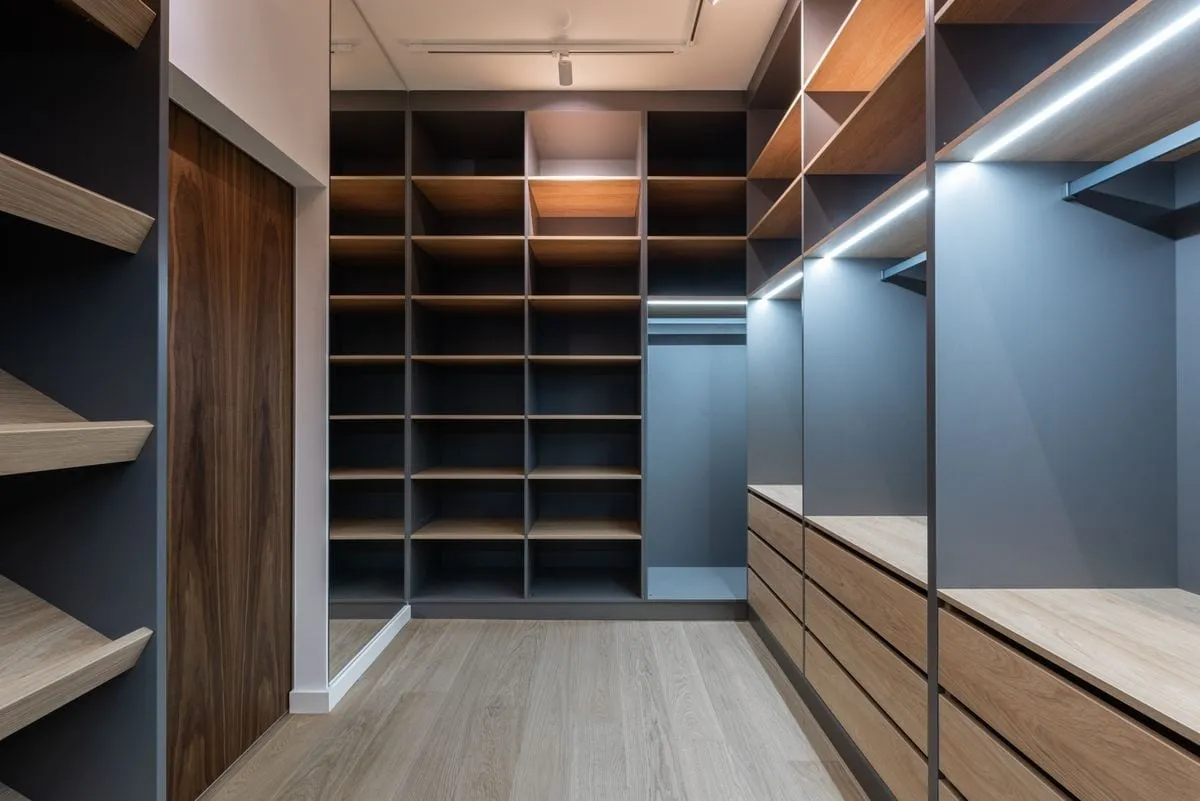
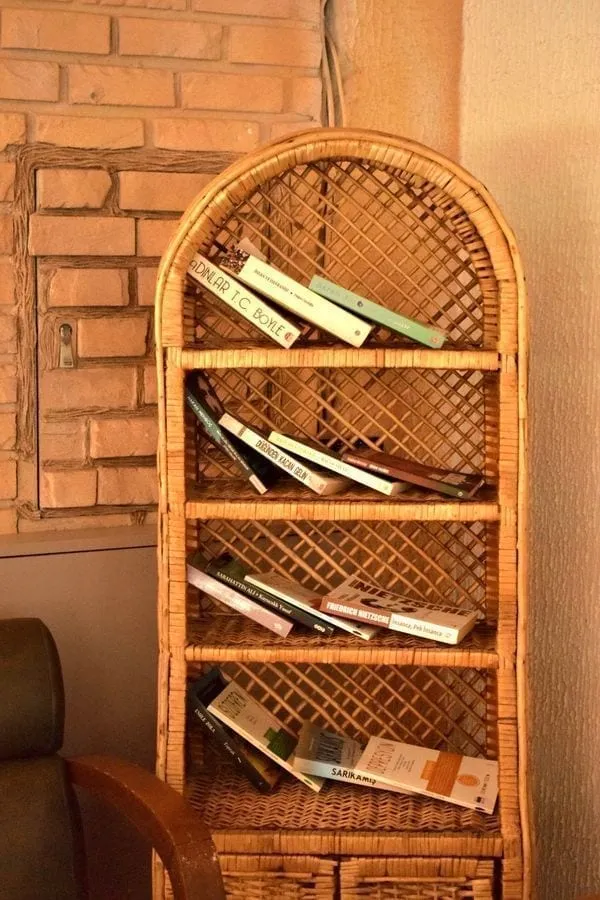
Nothing beats a tall, narrow unit for corner storage without sacrificing floor space. In my Toronto apartment, I use the IKEA KALLAX Shelf Unit (36.25“ H x 14.5“ W, $79 CAD) turned on its side against the wall, stacked with clear bins. It holds 30+ pairs of shoes, a vacuum cleaner, and winter gear—all under 20“ deep. Just slide a non-slip shelf liner ($4.99 CAD at Canadian Tire) inside to stop bins from sliding. Bonus: these units move easily if your lease ends or your roommates change.
3. Can Command Strips Actually Hold Wall-Mounted Shelves?
I know—everyone says “Command strips hold shelves.” But 90% of posts skip the weight limits. For light shelves (think: 6–12“ deep, under 4 lbs), go with Command CLAW™ Heavy-Duty Strips ($12 CAD/pack for 4 at HomeSense). Test them first: tape the strip to your wall, wait 48 hours, then hang a light object (like a small ceramic planter). If it holds, try a shallow IKEA LACK shelf ($9.99 CAD). In older buildings, softer or crumbling drywall is common—so skip anything over $20 lbs. Better yet: use these only for decorative or paper-thin storage (magazines, folded blankets, or stacked books on edge). For heavier bins, go tension-rod-supported instead.
4. What’s the Best Over-the-Door Organizer for Renters?
Most over-the-door organizers look flimsy—until you pick the right one. The simple fabric kind (like the $14.99 CAD Structube model) sag with wet towels. Instead, grab the SONGMICS 6-Panel Hanging Organizer ($28 CAD on Amazon.ca): plastic-backed, 40“ tall, with 6 rigid mesh pockets. I keep mine behind my bedroom door for toilet paper, hand towels, and cleaning sprays. The rigidity means no bulging, and the hooks slide over standard doors without scratching. Bonus: reversible mounting—you can hang it left- or right-facing depending on how your door opens. Works great in bathroom entryways too, especially in older units where cabinets tend to run shallow.
5. Ceiling-Mounted Storage? Only If Your Ceiling’s Under 9 Feet
Yes, ceiling storage exists—and it’s worth it in cramped kitchens or garages. But in most Canadian apartments, ceilings run 8’–8’6“, making 72“ tension rods your max reach. I installed a suspended pulley system in my Toronto apartment using a 72-inch tension rod ($18 CAD), two heavy-duty hooks ($6.99 CAD at Canadian Tire), and a $12 CAD wicker basket from HomeSense. It holds my bulkiest seasonal items: ski gloves, folding chairs, or picnic blankets. Just avoid this in units with drop ceilings, common in some older apartment conversions—they won’t support weight. Always test with a bucket of water first. Safety over savings.
6. Can You Add Tiered Shelving Behind Open Cabinets?
I installed tiered shelving in my Toronto apartment’s kitchen inside the upper cabinet space—not on the wall, but tucked behind my open shelves. How? A $12 CAD adjustable shelf divider from IKEA, plus two 10“ deep floating shelves mounted with tension rods (not glued!) on either side. Now my spice bottles, oils, and frequently used pans hang in two tiers, fully visible but out of the main workflow path. This avoids wall damage entirely and only takes 10 minutes to remove. Perfect for renters who love cooking but hate cluttered countertops.
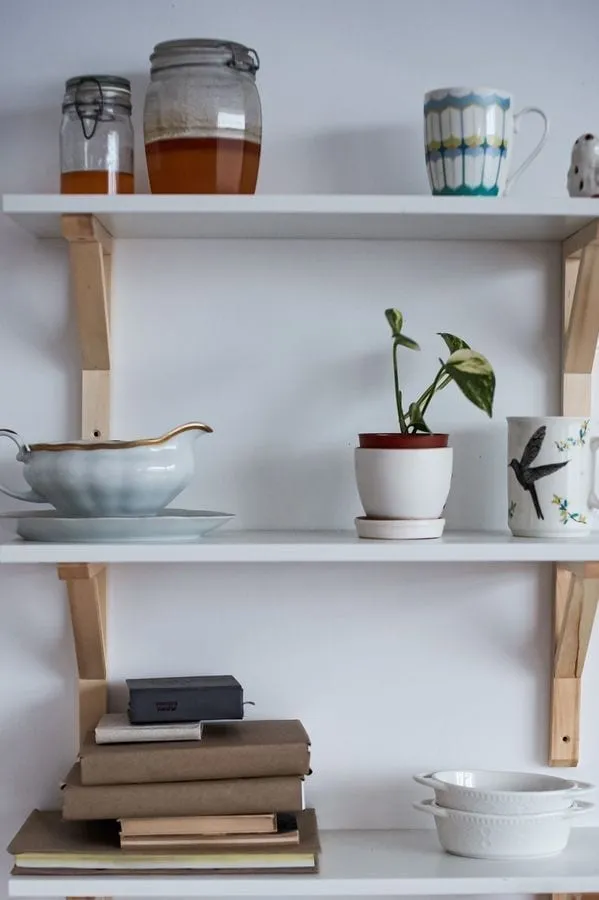
7. What’s the Best Hanging Pantry Organizer for Tight Corners?
Corner pantries are storage nightmares—until you go vertical. The $24.99 CAD Simplehouseware Hanging Pantry Organizer (Amazon.ca) folds into a 12“ wide unit that mounts inside your pantry or cabinet using tension rods on the sides. It holds 8–10 cans vertically, plus snacks or pasta boxes on top. I’ve got mine in a 24“ deep pantry in my Toronto apartment—it’s held up for 14 months with zero wear. Skip wall-mounted versions. If your pantry is shallow (under 18“), use a folding over-the-door shelf ($19 CAD at Canadian Tire) instead.
8. How Do You Reclaim Dead Space Above a Closet Rod?
Most closet rods sit too low—leaving 12–18“ of dead space above. I fixed mine in my Toronto apartment with a $15 CAD tension rod mounted 8“ below the ceiling, plus a 24“ wide shelf above for folded blankets. Then I hung a $9.99 CAD acrylic tool rack (HomeSense) underneath the shelf to hold folding hangers, lint rollers, and shoe trees. No drilling, no gaps. The shelf’s overhang also protects the top of your closet rods from dust. Works even better if your closet door opens outward—just make sure the rack clears the swing arc.
9. How Do You Access Under-Bed Storage Without Drilling?
Your bed frame’s underside is a goldmine—if you know how to access it. No, you can’t under-mount drawers in a rental (too much weight risk). Instead, use a $22 CAD plastic storage tote from Canadian Tire (fits under most bed frames) and pair it with a $10 CAD bed riser set (4 risers + 4 wooden blocks). Lifts the bed 6“ without wall damage, giving you full access to the under-bed zone. I use mine for off-season clothing and extra bedding. Just be cautious in high-rises—treadmills or heavy bins can destabilize the frame over time. Stick to under-50-lb loads.
10. What’s the Best Freestanding Tiered Shoe Rack?
Shoe racks eat up floor space. The $29.99 CAD Structube Tiered Shoe Rack (8.5“ H x 15“ W) solves this by stacking vertically instead of horizontally. It fits in a 24“ deep corner, holds 12 pairs flat, and slides out like a file cabinet. I keep mine next to my closet, with a small step stool for higher tiers. No wall mounting needed. Bonus: the open design means dust doesn’t cling like it does in enclosed shelves. If you’re tight on space, the IKEA 365+ Shoe Rack ($19.99 CAD) works too—but skip the wall-attachment bracket (it ruins drywall).
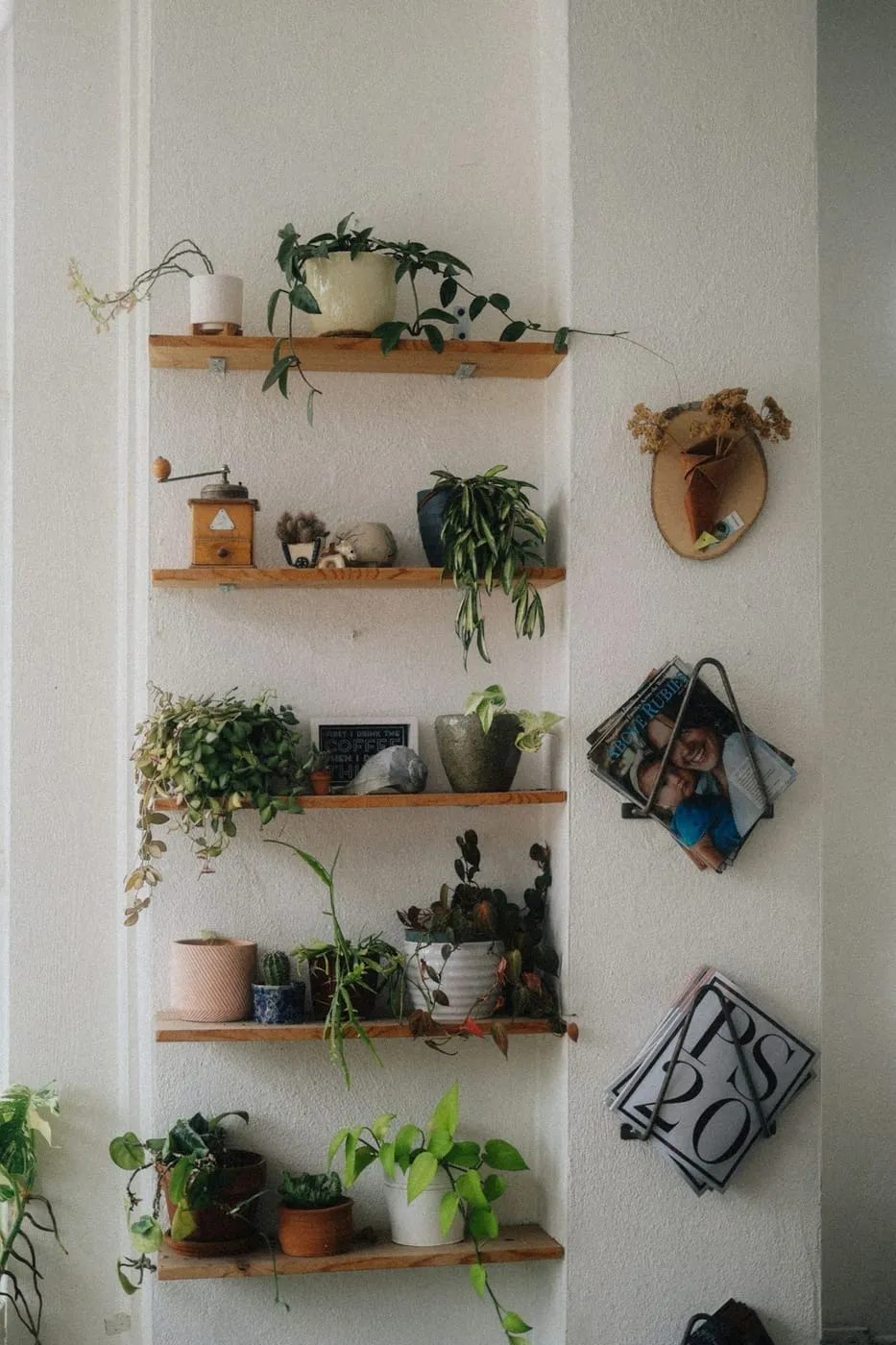
11. How Do You Use Stackable Bins on High Ceilings?
If your ceiling’s 9’ or higher, you’re wasting vertical space above standard shelving. I installed IKEA LACK shelves at 72“, then added 10“ stackable bins from HomeSense ($3.99 CAD each). The height gap lets you stand on a stool to reach them—perfect for seasonal décor, luggage, or dried goods. The shelves cost $9.99 CAD each and mount with tension rods (no glue, no nails). Just ensure the bin size matches your shelf depth. Standard IKEA LACK is 14.5“ deep—so 12“ bins slide in cleanly without tipping.
12. What’s the Best Door-Back Organizer for Rentals?
Bathroom doors in small apartments often swing into tight spaces—making wall hooks dangerous. My fix? A $14 CAD over-the-door shoe organizer (Amazon.ca) hung behind the door. Each pocket holds a roll of toilet paper, a hand towel, or cotton rounds. In the bedroom, I use the same setup for skincare—serums, wipes, and makeup brushes—all out of sight but instantly accessible. Just avoid heavy items: plastic bins sag at the top hinge. Stick to <2 lbs per pocket and you’ll be fine for years.
Vertical Storage Mistakes That Waste Money
A few habits show up over and over in rental apartments, and they’re the ones that turn a $20 fix into a $60 do-over.
- Guessing at weight limits instead of checking them. Every Command strip, tension rod, and adhesive hook has a printed rated capacity — a heavy cast-iron pan or a stack of books will pull a strip rated for 2 lbs straight off the wall. Check the label before buying, not after something falls.
- Buying a tension rod before measuring the gap twice. A rod that’s even 1“ too short won’t create enough compression to hold weight; one that’s too long won’t fit at all. Measure the exact gap, then buy a rod rated for a slightly wider range than what you measured.
- Mounting shelves before testing the wall. Older buildings often mix drywall, plaster, and brick within the same unit. A strip that holds firmly in a hallway may fail in a bathroom with humidity-softened drywall. Always test-hang a light item for 48 hours before loading a shelf fully.
- Ignoring the ceiling height before planning a vertical system. A plan built around a 9-foot ceiling doesn’t translate to a standard 8-foot Canadian apartment — you’ll end up with bins you can’t reach without a step stool every time, which defeats the point of “convenient” storage.
What Should You Budget for a Full Vertical Storage Setup?
| Setup | Pieces | Total Cost (CAD) |
|---|---|---|
| Starter (one closet or entry) | Tension rod + 1 hanging organizer | $30–$45 |
| Mid-size (kitchen or bathroom) | 2 tension rods, wall shelf, over-door organizer | $70–$110 |
| Full apartment | Freestanding tower, 3–4 tension rods, shelving, bins | $150–$220 |
Start with whichever zone bothers you most day-to-day — the entryway and kitchen tend to have the fastest payoff since you interact with them multiple times a day.
The Vertical Storage Priority Order
- Tension rods behind doors or above furniture (fastest, zero-damage win)
- Freestanding tall units (like KALLAX turned sideways) for flexible storage
- Over-the-door organizers in bathrooms, bedrooms, or pantries
- Wall shelves with Command strips for light-only items (under 4 lbs)
- Bed-frame risers + under-bed bins for bulk storage
- Tiered rack installations in kitchens or closets
Most small apartments waste a surprising amount of usable space just above head height. The trick isn’t buying expensive systems—it’s using what’s already there, vertically, without touching the walls. You don’t need permission to store smarter.
→ 12 Renter-Friendly Kitchen Storage Hacks That Don’t Drill
→ How I Organized My 300-Sq-Ft Studio With $150 CAD
→ Small Apartment Bathroom Storage Ideas