A studio apartment challenges you to sleep, eat, work, and relax in a single space without it feeling like chaos. The answer isn’t about square footage — it’s about defining clear zones through furniture placement, rugs, and lighting. According to CMHC, studio and one-bedroom apartments account for the majority of new rental units built across Canadian cities — so making them work well is a skill worth developing. I’ve been in a 510 sq ft Toronto apartment for three years, tried layouts that failed and layouts that worked, and here’s what actually makes the difference.
TL;DR: Define zones with rugs and furniture before buying anything else. Two rugs create two rooms. A bookcase or sofa back separates the sleeping zone from the living zone. Storage bed frames (IKEA NORDLI, from ~$399 CAD) eliminate the need for a dresser. Keep every surface in a studio completely clear — clutter has nowhere to hide.
1. Define Zones Before You Arrange Furniture
The biggest mistake in a studio apartment is treating it like one big room. It isn’t. It’s a bedroom, a living room, and sometimes an office — all in one space. Your job is to make each zone clear.
The core zones in a studio:
- Sleeping zone — bed and nightstand
- Living zone — sofa, rug, coffee table
- Working zone — desk and chair
- Eating zone — table and chairs, even a small one
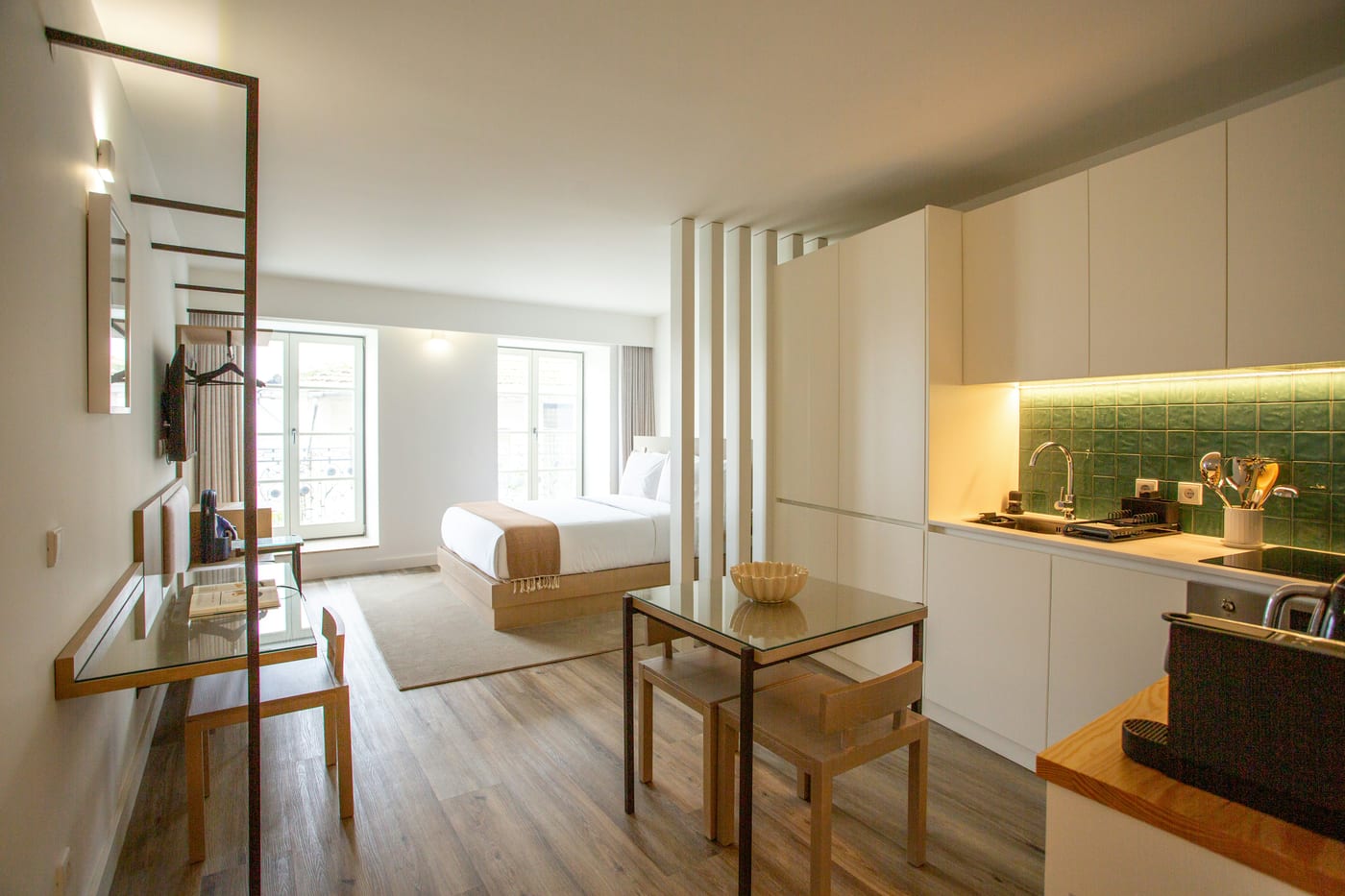
You define zones with furniture arrangement, rugs, and lighting — not walls.
2. Use a Bookshelf or Sofa as a Room Divider
The most effective way to visually separate the sleeping zone from the living zone in a studio is a piece of furniture placed between them.
Options:
- Open bookcase — IKEA KALLAX or BILLY placed behind the sofa creates a visual barrier without blocking light
- Sofa facing away from the bed — the back of the sofa naturally divides the space
- Curtain on a ceiling track — the most flexible option, pulls closed for privacy (~$50–$80 CAD for curtain + track at IKEA Canada)
3. Invest in a Good Sofa Bed or Murphy Bed
If your studio apartment is truly small (under 400 sq ft), a sofa bed or Murphy bed is worth serious consideration. During the day your sleeping area becomes a functional living room.
Canadian options:
- IKEA FRIHETEN sofa bed — ~$999 CAD, large storage chaise + sofa + bed in one
- IKEA HOLMSUND — sleeker look, ~$799 CAD
- Murphy bed with desk combo — wall-mounted, folds up to reveal a work surface. Available at Wayfair Canada from ~$1,200 CAD
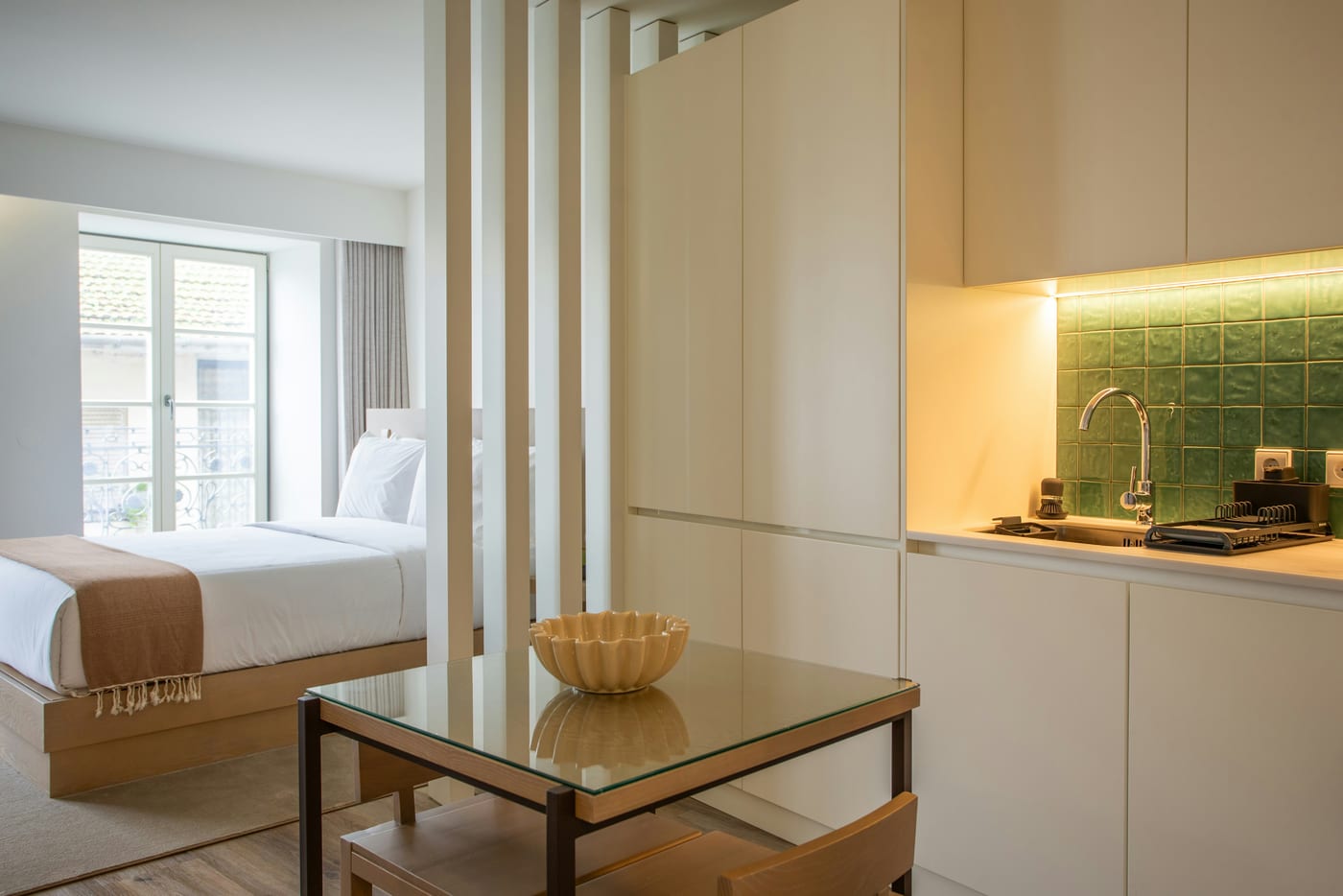
4. Anchor Each Zone With a Rug
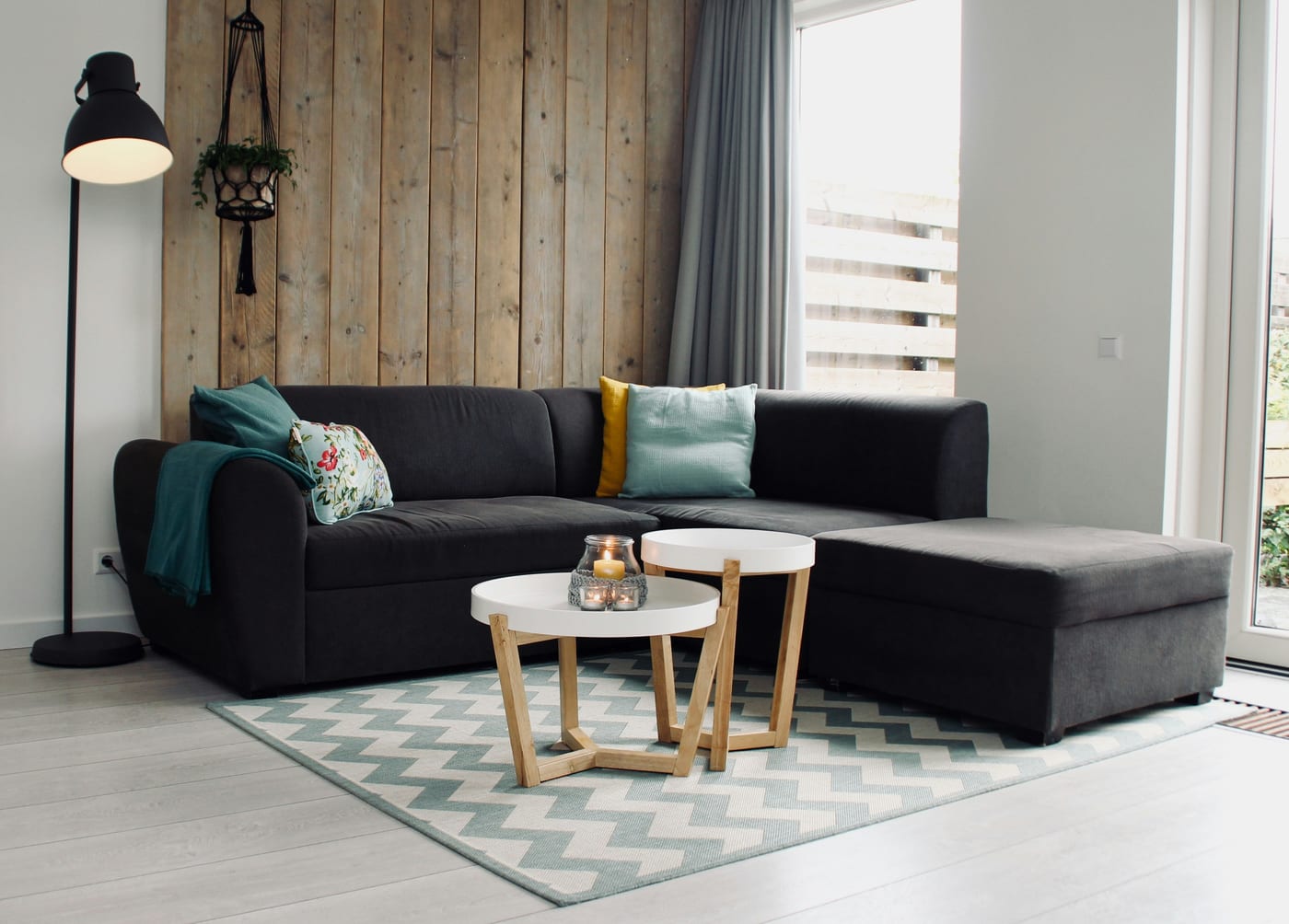
Rugs are the single most powerful tool in a studio apartment. A rug under the sofa and coffee table creates a clear living zone. A rug beside the bed creates a sleeping zone. Two rugs make two rooms out of one space.
Sizing guide:
- Living zone rug: 160 × 230 cm minimum, front legs of sofa on the rug
- Bedroom rug: smaller, extends 50–60 cm on either side of the bed
Cost: IKEA flat-weave rugs from ~$59 CAD. Wayfair Canada for wider selection.
5. Go Vertical for Storage
You cannot use floor space for storage in a studio without making the room feel crowded. Go up.
Vertical storage solutions:
- Floor-to-ceiling IKEA BILLY bookcase (~$79–$159 CAD) — maximum vertical storage, minimal floor impact
- IKEA PAX wardrobe columns — a complete closet system where there was none
- Floating shelves above the desk, above the nightstand, or beside the bed
- Over-door organizers on every door
For a complete system to organize every zone of your studio, small apartment organization covers the declutter-first approach room by room.
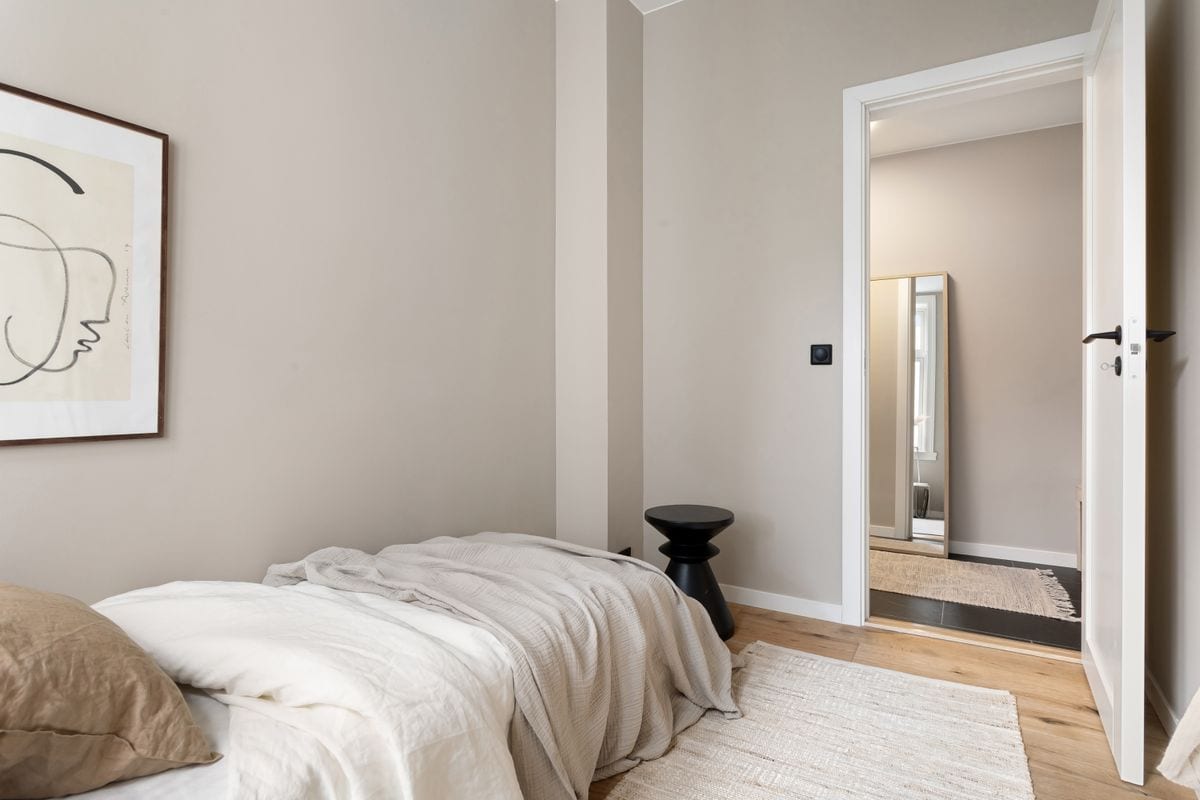
6. Choose a Bed with Storage Underneath
The area under a studio apartment bed is some of the most valuable real estate in your home.
- Storage bed frame — IKEA NORDLI with drawers, ~$399–$699 CAD depending on size
- Bed risers — add 15 cm of clearance for flat storage bins. ~$25 CAD at Amazon.ca
- IKEA SKUBB under-bed bags — ~$14 CAD for 2
7. Create a Dedicated Workspace
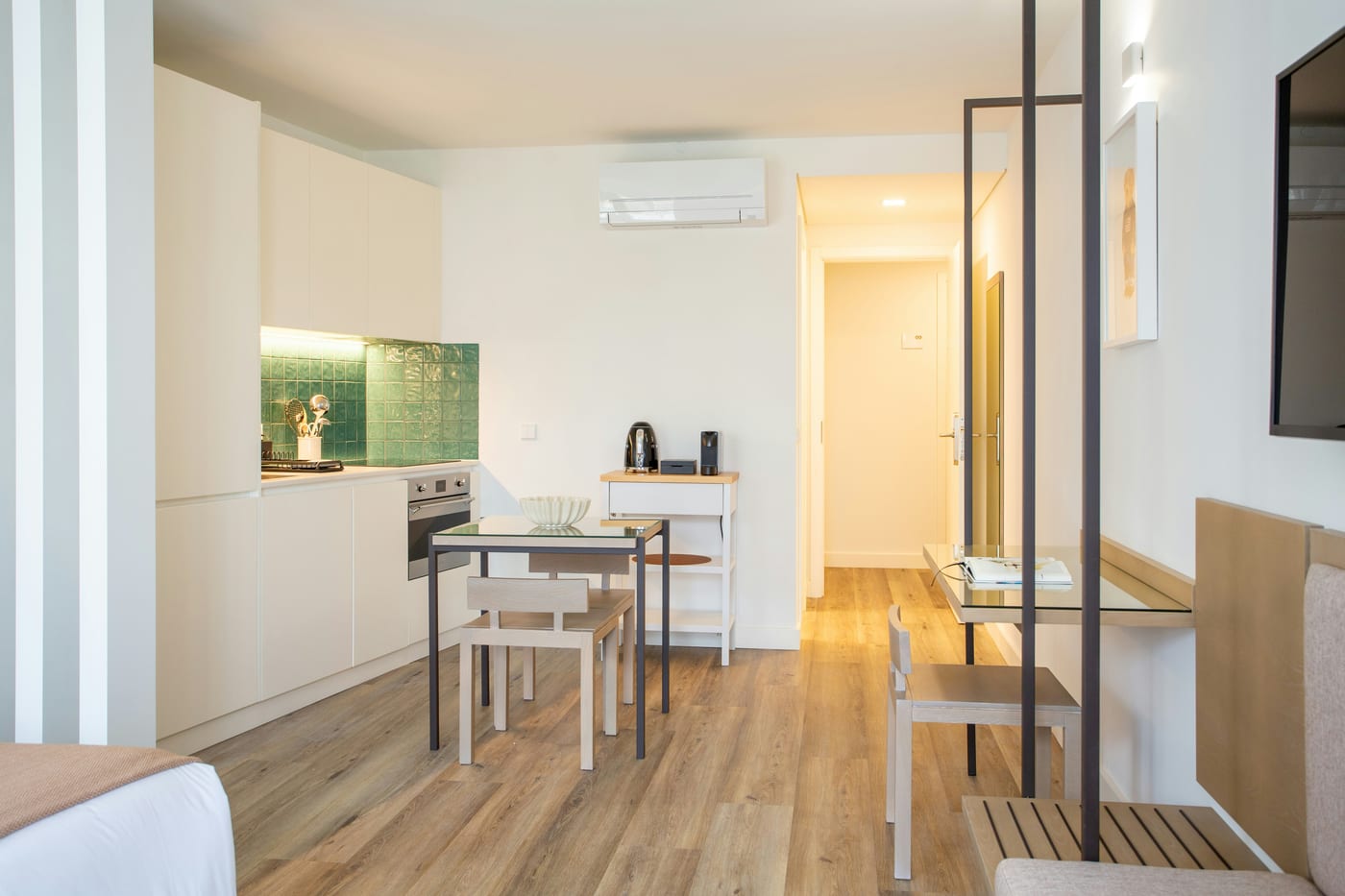
Working from home in a studio apartment is only manageable if the work zone is physically separate from the relaxing zone. If you work from the sofa, you’ll never fully relax there.
Compact workspace options:
- IKEA MICKE desk (~$99 CAD) — narrow footprint, built-in cable management
- Wall-mounted fold-down desk — completely disappears when not in use (~$80–$150 CAD at Amazon.ca)
- A corner of the bookcase — a simple shelf at desk height with a monitor riser
Position the desk away from the bed — even just facing a different direction creates psychological separation.
8. Light Each Zone Separately
In a studio apartment, overhead lighting makes the entire space feel like one undifferentiated room. Separate lighting for each zone creates the sense of distinct areas.
The zone lighting approach:
- Living zone: floor lamp beside the sofa, table lamp on a side surface
- Sleeping zone: bedside lamp or wall-mounted reading light
- Working zone: desk lamp with focused task lighting
- Overhead: switch to warm 2700K bulbs
9. Use a Multi-Function Coffee Table
Good options:
- Storage ottoman with tray — soft, storable, surface when needed. Wayfair Canada ~$89–$150 CAD
- Lift-top coffee table — raises to desk height for laptop or eating. Amazon.ca ~$150–$250 CAD
- Nesting tables — pull one out when needed, tuck away otherwise. IKEA ~$70–$120 CAD
10. Keep Surfaces Completely Clear
In a studio apartment, the surfaces that are visible from the bed, from the sofa, and from the door all need to be kept clean. Clutter in a studio has nowhere to hide — it’s always visible from everywhere.
The one-surface rule: only one thing is allowed on each surface that isn’t there by design. One book on the nightstand. One candle on the coffee table. Everything else has a drawer, basket, or shelf.
11. Use Mirrors Strategically
A large mirror makes a studio apartment feel significantly larger. Place it where it will reflect the most light and create the deepest visual illusion.
Best mirror placement:
- Leaning against the wall in the sleeping or living zone — reflects depth
- Opposite or beside a window — multiplies natural light
IKEA HOVET full-length mirror ($279 CAD) or a round wall mirror ($45–$80 CAD, Amazon.ca).
12. Hide the Bed Area with Curtains
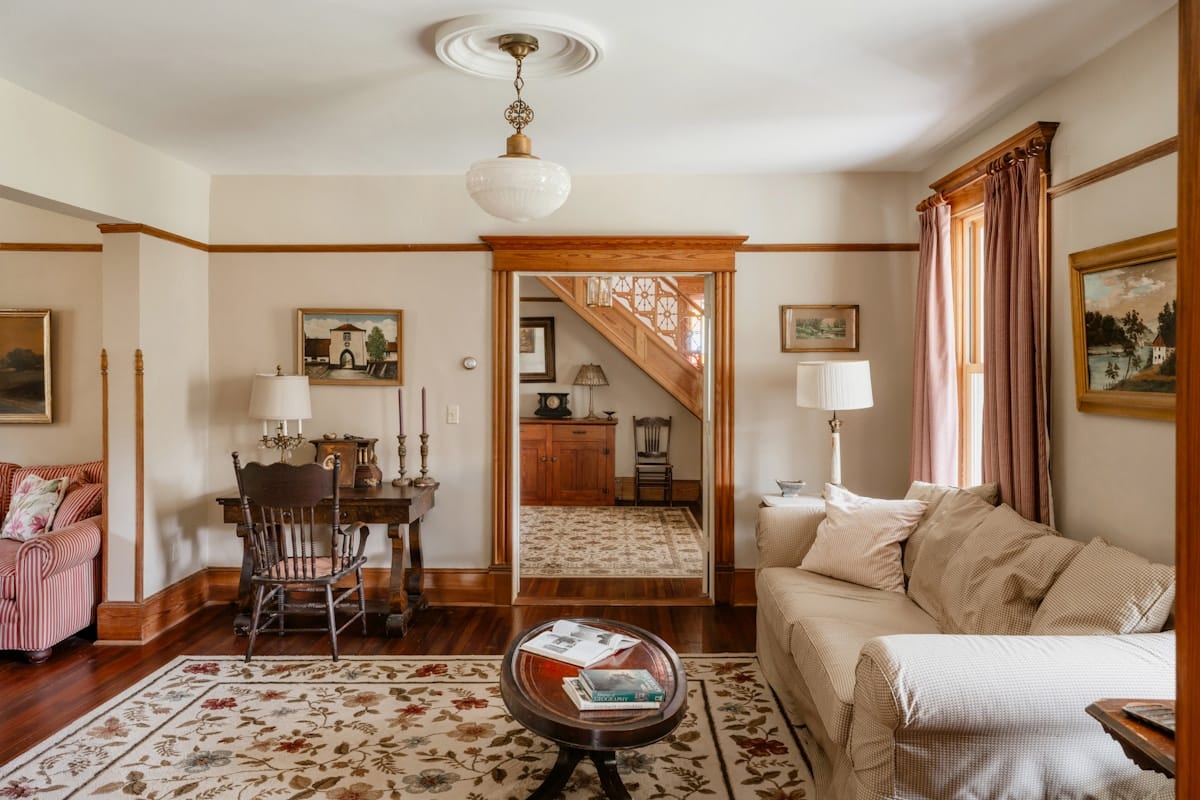
If your studio has a sleeping alcove or a specific corner where the bed lives, a curtain on a ceiling-mounted track gives you the ability to close it off completely — effectively creating a “bedroom” that didn’t exist before.
IKEA ceiling curtain track system + curtain panels: ~$60–$100 CAD total.
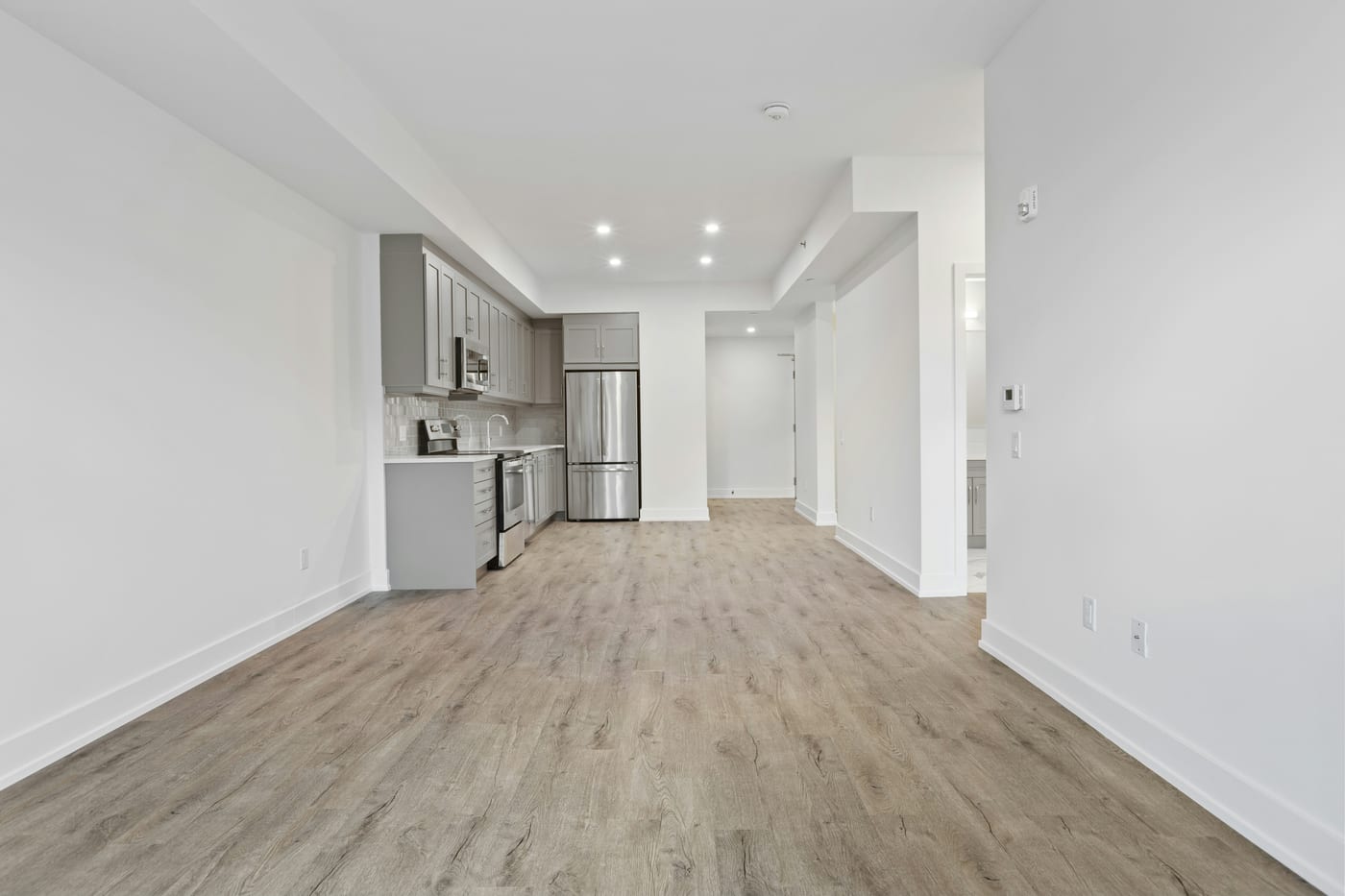
13. Choose Furniture That Scales to the Space
Before buying any large piece, measure:
- The piece itself
- The space it will go in
- The clearance around it (60 cm walkway minimum)
Then look at apartment-sized alternatives:
- 2-seat sofa instead of 3-seat
- A round table with 2 chairs instead of a rectangular 4-person table
14. Do Not Neglect the Entryway
Even a studio with a tiny entry benefits from defining that space. A small rack for shoes, a hook or two for coats, and a spot for your bag transforms a chaotic entry into a functional transition zone.
The Studio Apartment Priority Order
- Define zones — rugs, furniture placement, and lighting before anything else
- Vertical storage — BILLY bookcase or PAX wardrobe first
- Under-bed storage — storage frame or risers + bins
- Zone lighting — floor lamp, bedside lamp, desk lamp
- Keep surfaces clear — the single habit that prevents studio chaos
A studio apartment works when every decision is intentional — where the zones are, what furniture earns its floor space, and what lives on which surface. Start with the zones, get the storage working, and the rest follows naturally.
→ For the full room-by-room organization plan, see small apartment organization — a weekend-by-weekend breakdown of exactly what to tackle first.