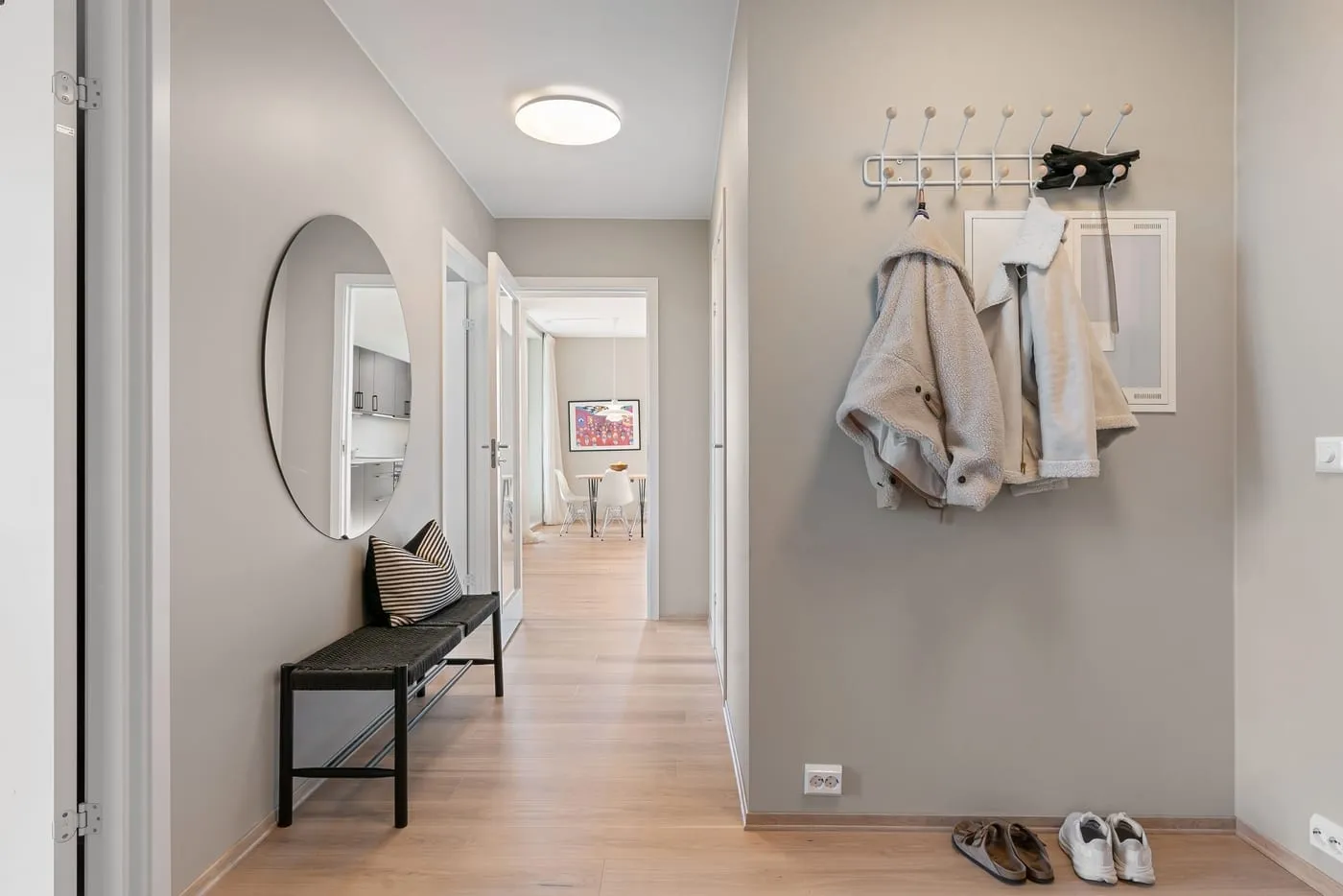
Shoe storage ideas for small spaces all run into the same wall: there’s no floor to give up. It’s the first small-apartment problem you notice, because a pile of shoes is the first thing you see walking in the door. The fix isn’t one perfect product, it’s matching the storage type to your entryway’s actual shape: slim racks for narrow hallways, over-door organizers when there’s zero floor space, and a seasonal rotation system so winter boots don’t live by the door year-round.
I’ve rented three apartments in Ontario over the past five years, and every single one had a different entryway shape, a tiny 60 cm hallway, a shared building foyer, and a bachelor unit with no entry closet at all. What follows is the system that actually worked in each one, not a generic list.
TL;DR: Start with a slim entryway rack (30–40 cm deep, $30–$60 CAD at IKEA) for daily shoes. Add an over-door organizer ($20–$35 CAD, Amazon.ca) if floor space is zero. Rotate winter boots into under-bed bins or closet top shelves once the snow’s gone, keeping only 4–8 active pairs by the door. Total setup: $50–$120 CAD, fully renter-friendly.
What’s the Best Shoe Storage for a Tiny Entryway?
A slim entryway shoe rack, 30–40 cm deep, is the best option for most small Canadian apartments because it fits against a wall without blocking a doorway. IKEA’s MACKAPÄR and TRONES styles run $30–$70 CAD and hold 8–12 pairs depending on the model (IKEA Canada, 2026).
The depth matters more than the width here. A standard shoe is about 25–30 cm long, so anything under 35 cm deep will still stick out slightly, but it clears most narrow Canadian hallways where a full closet-depth unit simply won’t fit.
What worked in my 60 cm-wide hallway:
- A two-tier slim rack tucked directly behind the door, so it’s invisible when the door’s open
- Angled-shelf racks (shoes point downward) fit more pairs in less depth than flat shelves
- A slim bench-style rack doubles as a place to sit while putting shoes on, useful in winter when you’re wrestling with boot zippers
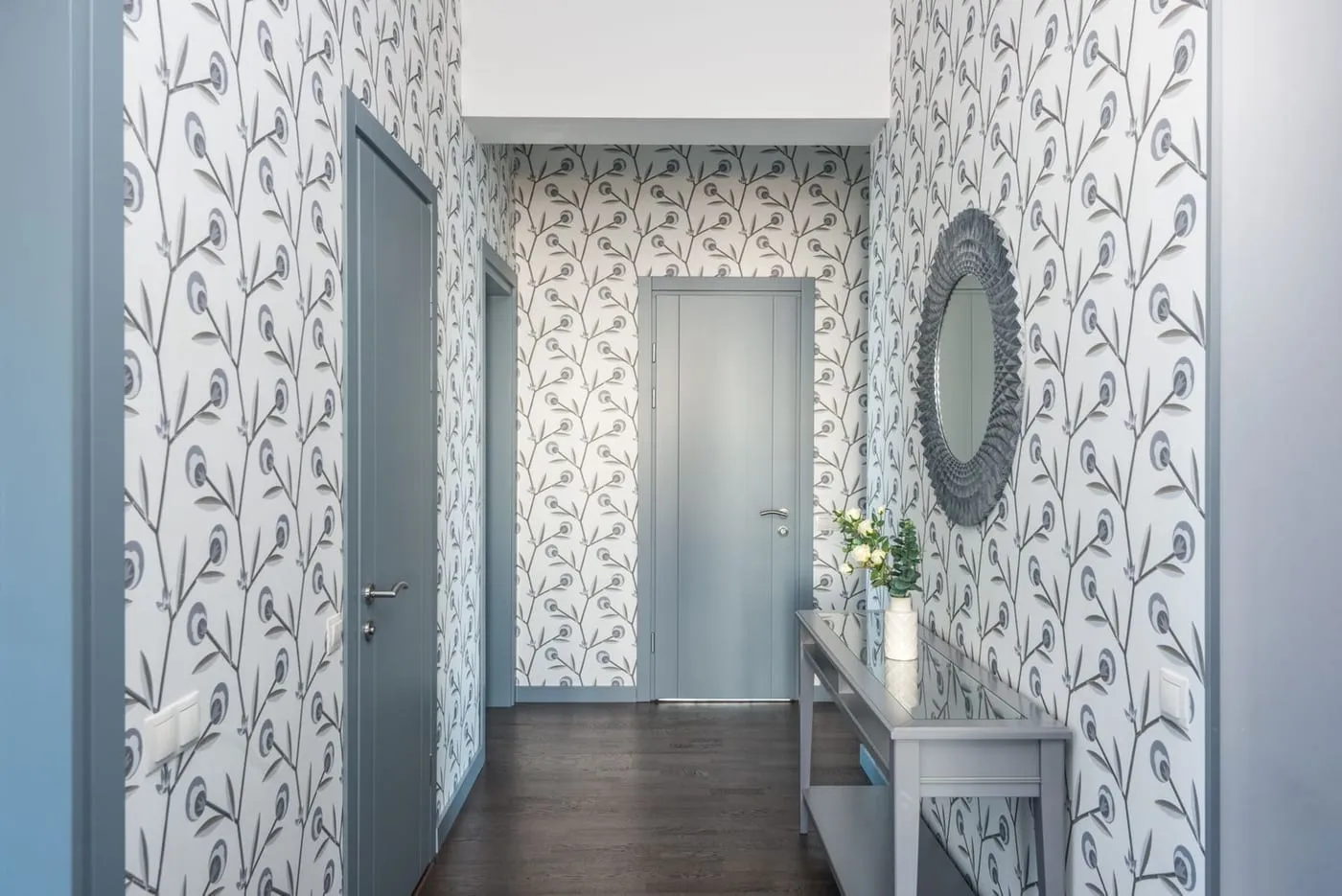
For more entryway layout ideas beyond just shoes, our small entryway & hallway storage ideas guide covers coat hooks, key trays, and mail sorting in the same tight footprint.
Do Over-Door Shoe Organizers Actually Work?
Over-door organizers work well for apartments with genuinely zero floor space, holding 20-24 pairs on the back of a closet or bedroom door for $20-$35 CAD. Amazon.ca’s canvas hanging organizers are the most common version sold to Canadian renters, and they install with hooks, not screws.
The trade-off is visibility. Shoes go behind a door instead of by the entryway, which means a second stop on your way out. That’s a fine trade in a bachelor unit or studio where the entry itself has no wall space at all.
Where over-door storage makes the most sense:
- Bachelor and studio apartments with no dedicated entry closet
- Shared apartments where two or three people need shoe storage and there’s only one door available
- Buildings with strict no-drilling rules in the lease, since these organizers use existing door hardware
My bachelor unit had a single interior door between the entry and the rest of the apartment, and an over-door organizer on that door held both my partner’s and my daily shoes without a single rack cluttering the floor.
What About Under-Bench and Under-Stair Shoe Storage?
Under-bench storage turns unused space beneath an entryway bench into shoe capacity, typically fitting 6-10 pairs in bins or open cubbies for $40-$90 CAD depending on the bench. IKEA’s HEMNES and BISSA styles both include built-in shoe storage under a seat you’d want anyway.
This option works best when you already need somewhere to sit down to put shoes on, since you’re not adding a separate piece of furniture, just choosing a bench that does double duty. Look for a bench with an open shelf rather than a solid box; open shelving lets boots air out and dry faster after slush.
Quick comparison of the main storage types:
| Storage type | Best for | Capacity | Typical cost (CAD) |
|---|---|---|---|
| Slim entryway rack | Narrow hallways | 8–12 pairs | $30–$70 |
| Over-door organizer | Zero floor space | 20–24 pairs | $20–$35 |
| Under-bench storage | Entryways needing a seat | 6–10 pairs | $40–$90 |
| Slim vertical cabinet | Tall, narrow gaps | 12–18 pairs | $80–$150 |
| Under-bed bins | Off-season rotation | 4–6 pairs per bin | $10–$20 each |
Are Slim Vertical Shoe Cabinets Worth the Higher Price?
Slim vertical shoe cabinets cost more, $80-$150 CAD, but solve the problem that flat racks can’t: fitting 12-18 pairs into a gap as narrow as 25-30 cm wide. IKEA’s TRONES cabinets stack vertically instead of spreading horizontally, which matters when floor width, not depth, is the real constraint.
These cabinets work best beside a doorway or in the sliver of wall next to a closet that’s otherwise too narrow for anything else. Because they’re freestanding, moving out is as simple as unstacking them, no wall anchors, no landlord disputes over damage.
When a vertical cabinet beats a flat rack:
- The available wall gap is taller than it is wide
- You want closed doors to hide shoe clutter from guests
- You’re stacking two or three units to grow capacity as your shoe collection grows
How Do You Rotate Winter Boots and Summer Shoes in a Small Closet?
Seasonal rotation means storing off-season footwear in closet top shelves or under-bed bins and keeping only 1-2 weeks of current-season shoes by the door. This single habit change solves more small-apartment shoe clutter than any product purchase, since it cuts your visible shoe count by roughly half year-round.
Canadian winters make this rotation non-negotiable. Winter boots are bulky, often wet or salt-stained, and take up two to three times the space of a summer sneaker. Keeping every pair you own by the door year-round guarantees a cramped entryway no matter which rack you buy.
A simple two-season rotation system:
- Late fall: Move sandals and summer shoes into a labeled under-bed bin ($10–$20 CAD each), bring winter boots to the entryway
- Early spring: Reverse the swap, boots go into bins or a closet’s top shelf, summer shoes come out
- Year-round: Keep only 4–8 active pairs per person by the door, everything else lives in closet storage
Most small-apartment storage advice treats shoes as one static category, but Canadian renters actually manage two full wardrobes of footwear a year. Building the rotation into your closet system from the start, rather than bolting it on later, saves a scramble every October.
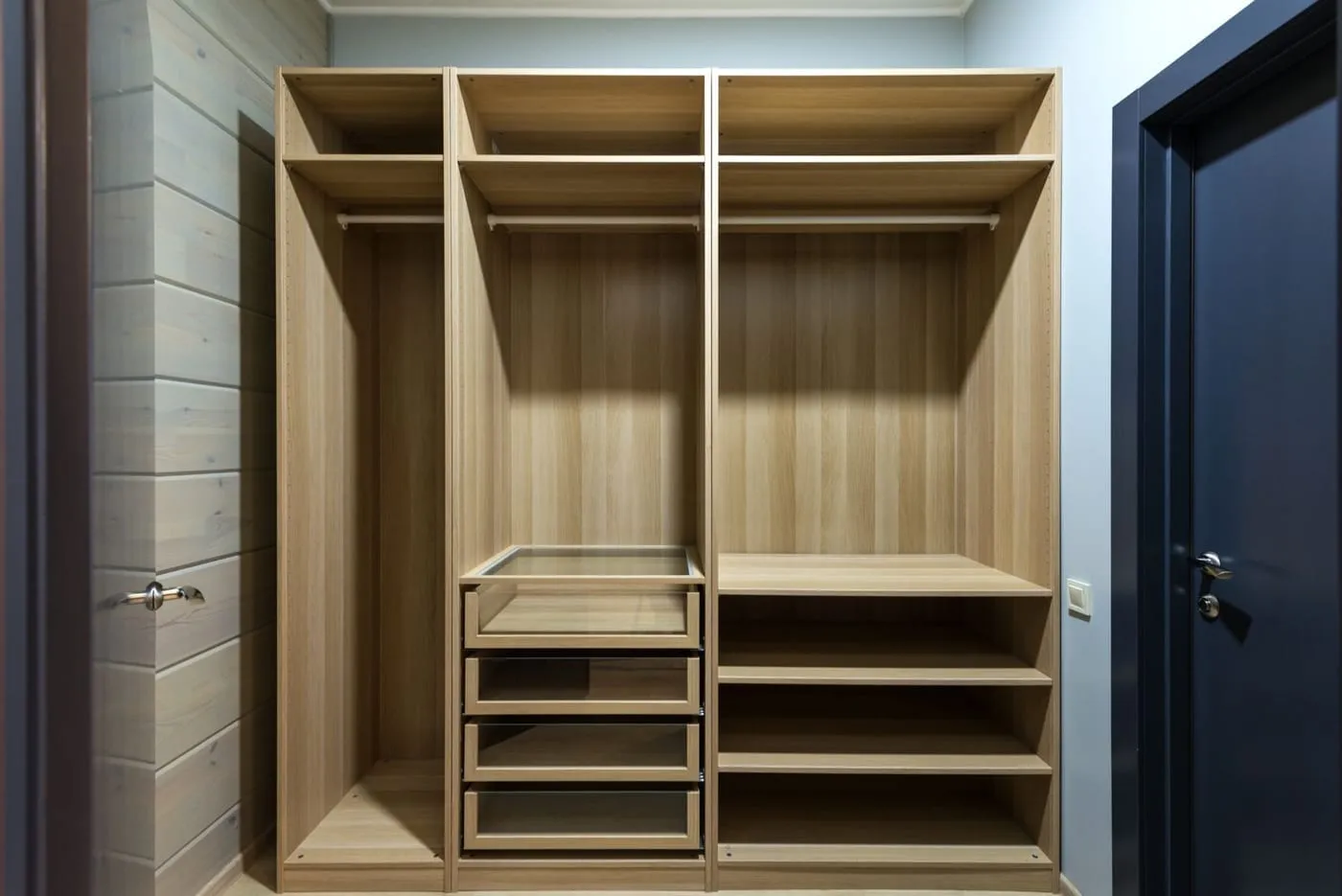
If your closet space is already tight before you even add boots, our small closet organization ideas for rental apartments guide walks through shelf dividers, hanging organizers, and how to carve out a dedicated boot zone without losing hanging space.
What Should Renters Avoid When Buying Shoe Storage?
Renters should avoid anything that requires drilling into walls, floors, or closet interiors, since damage deposits in most Canadian provinces cover exactly this kind of modification. Stick to freestanding racks, Command-strip hooks, and over-door organizers that hang on existing hardware.
A quick renter-safe checklist before buying:
- Freestanding, not wall-mounted with screws
- Over-door hooks, not permanent brackets
- No modification to closet rods or shelving that came with the unit
- Bins and cabinets you can move out with, not built-ins
Boot trays deserve a mention here too. A $15-$20 CAD rubber or plastic boot tray from Canadian Tire catches melting snow and road salt before it reaches rental flooring, a cheap way to avoid disputes over water stains at move-out.
Frequently Asked Questions
How do you store shoes in a small apartment with no closet? Use a slim entryway shoe rack or an over-door organizer that needs zero floor space, holding 20+ pairs for $20–$35 CAD on Amazon.ca.
Where do you put winter boots in a small Canadian apartment? Store off-season boots in under-bed bins or a closet’s top shelf, keeping only the current week’s pair by the door on a $15–$20 CAD boot tray.
What renter-friendly shoe storage won’t damage walls? Freestanding racks, over-door hook organizers, and Command-strip hooks all avoid drilling and satisfy standard Canadian lease terms.
How many pairs should stay by the door? Roughly 4–8 pairs per person, active-season only, everything else belongs in closet or under-bed storage.
Is an over-door organizer worth it? Yes, for zero-floor-space entryways, a $20–$35 CAD organizer adds 20+ pairs of capacity using a door you already have.
Shoe storage in a small Canadian apartment comes down to matching the product to your entryway’s real shape and building a seasonal rotation habit around it. Start with one slim rack or organizer, then add the rotation system before your first winter in the space, and the entryway clutter mostly solves itself.
→ Next, tackle the rest of the entryway with our small entryway & hallway storage ideas guide, or see small apartment bathroom storage ideas for the same no-drill approach in the bathroom.