Minimalism in a small Canadian apartment is not a style choice — it’s a practical necessity. When you’re working with 400–650 square feet, every object that doesn’t earn its space makes the apartment harder to live in. Minimalism means having exactly what you need and genuinely love, and nothing else. Here’s how to approach it without turning your home into an empty showroom.
According to CMHC, average rents in major Canadian cities have risen sharply, which means more people are staying in smaller apartments for longer — making livability even more important. I’ve lived in a 510 sq ft Toronto rental for over three years, and committing to the surfaces rule below was the change that made the biggest difference in how the apartment felt day to day.
TL;DR: Start by decluttering one room completely — everything out, then only what serves a clear purpose or brings genuine pleasure goes back. Surface discipline is the daily habit that separates minimalist apartments from the rest: surfaces are either empty or deliberately styled, never used as landing zones. Multi-functional furniture (storage bed, storage ottoman, KALLAX) means you need fewer pieces total. Minimalism costs nothing — the work is editing, not buying.
Quick Comparison: Multi-Function Furniture Picks
| Piece | Cost (CAD) | Replaces |
|---|---|---|
| IKEA NORDLI storage bed | $399–$699 | Bed + dresser (built-in storage) |
| Storage ottoman | Varies (Wayfair/HomeSense range) | Coffee table + seating + storage |
| KALLAX bookcase | Varies (standard IKEA pricing) | Bookshelf + room divider |
| IKEA FRIHETEN sofa bed | ~$999 | Sofa + guest bed |
What Does Minimalism Not Mean?
Before getting into the how, it helps to be clear about what minimalist apartment living is not.
It is not:
- All white walls and no decor
- Owning 30 possessions in total
- A specific aesthetic (Scandinavian, Japanese, industrial)
- Uncomfortable or cold
It is:
- Having only what you use or genuinely love
- Clear surfaces that don’t accumulate stuff
- A calm feeling when you walk through the door
- Spaces that are easy to clean and easy to maintain
Step 1: How Do You Declutter One Room Completely?
Pick one room — ideally the one that bothers you most. Remove everything. Every item on every surface. Every piece of furniture. Then bring back only what serves a clear purpose or brings genuine pleasure.
The test for each item:
- Do I use it at least once a month?
- Does it serve a specific function I need?
- Does it genuinely make me happy to have it here?
If the answer to all three is no, it leaves.
This is the entire method. It works in every room. It just takes time and decisive action.
Step 2: What Is the Surfaces Rule?
The single habit that separates minimalist apartments from regular ones is surface discipline. In a minimalist apartment, surfaces are either empty or deliberately styled — never used as landing zones for random objects.
Surface rules:
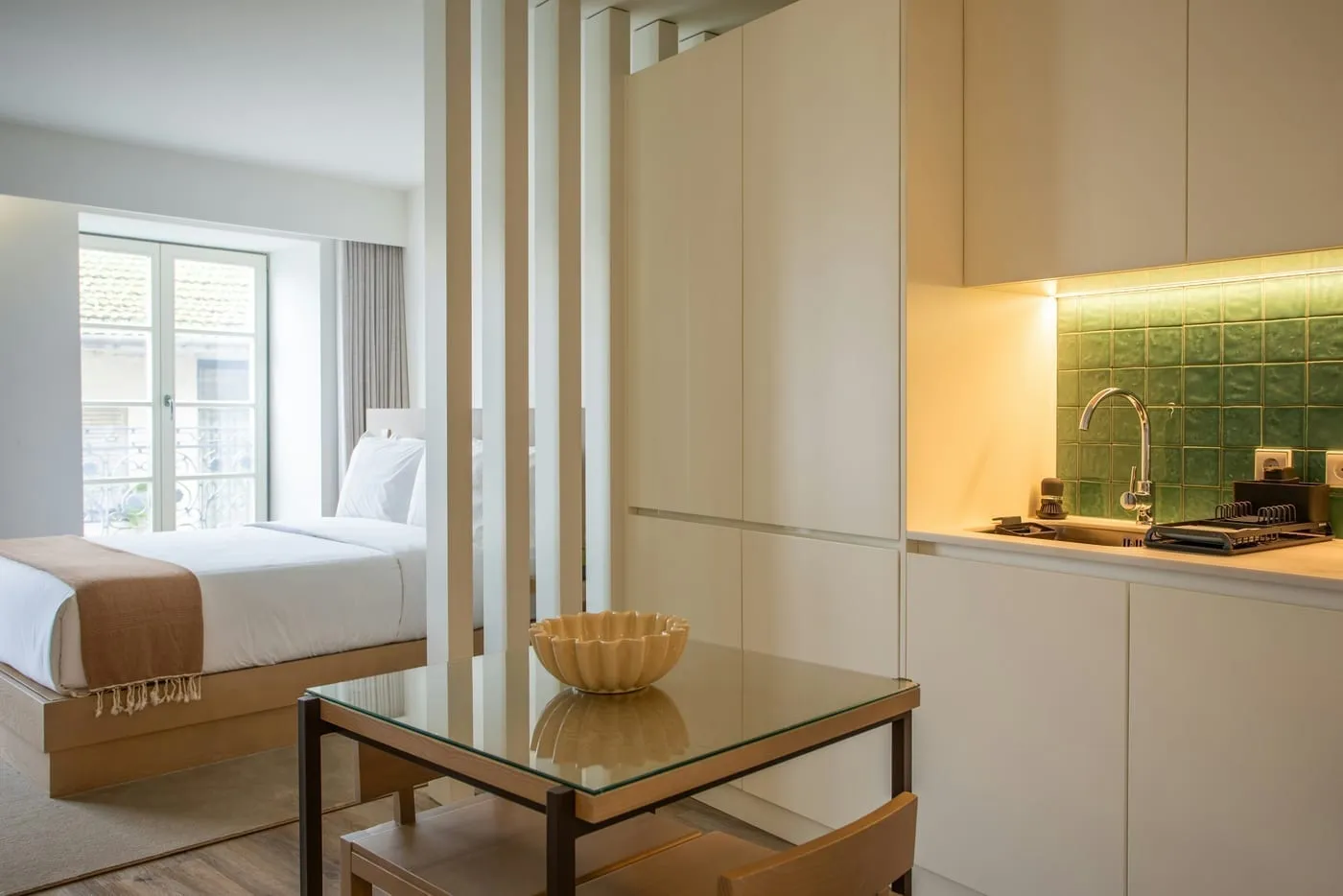
- Kitchen counter: coffee maker, knife block, and one plant. Nothing else stored out
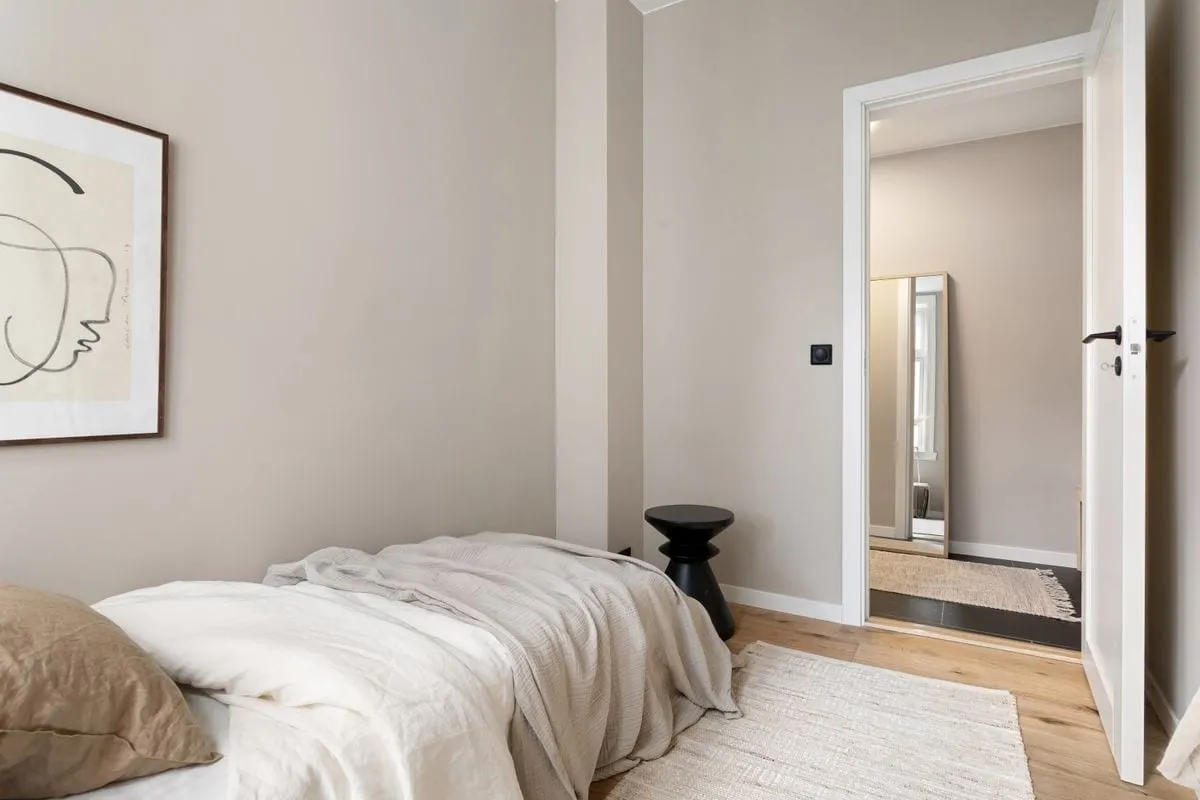
- Bedroom nightstand: lamp, phone charger, one book, water. That’s the entire surface
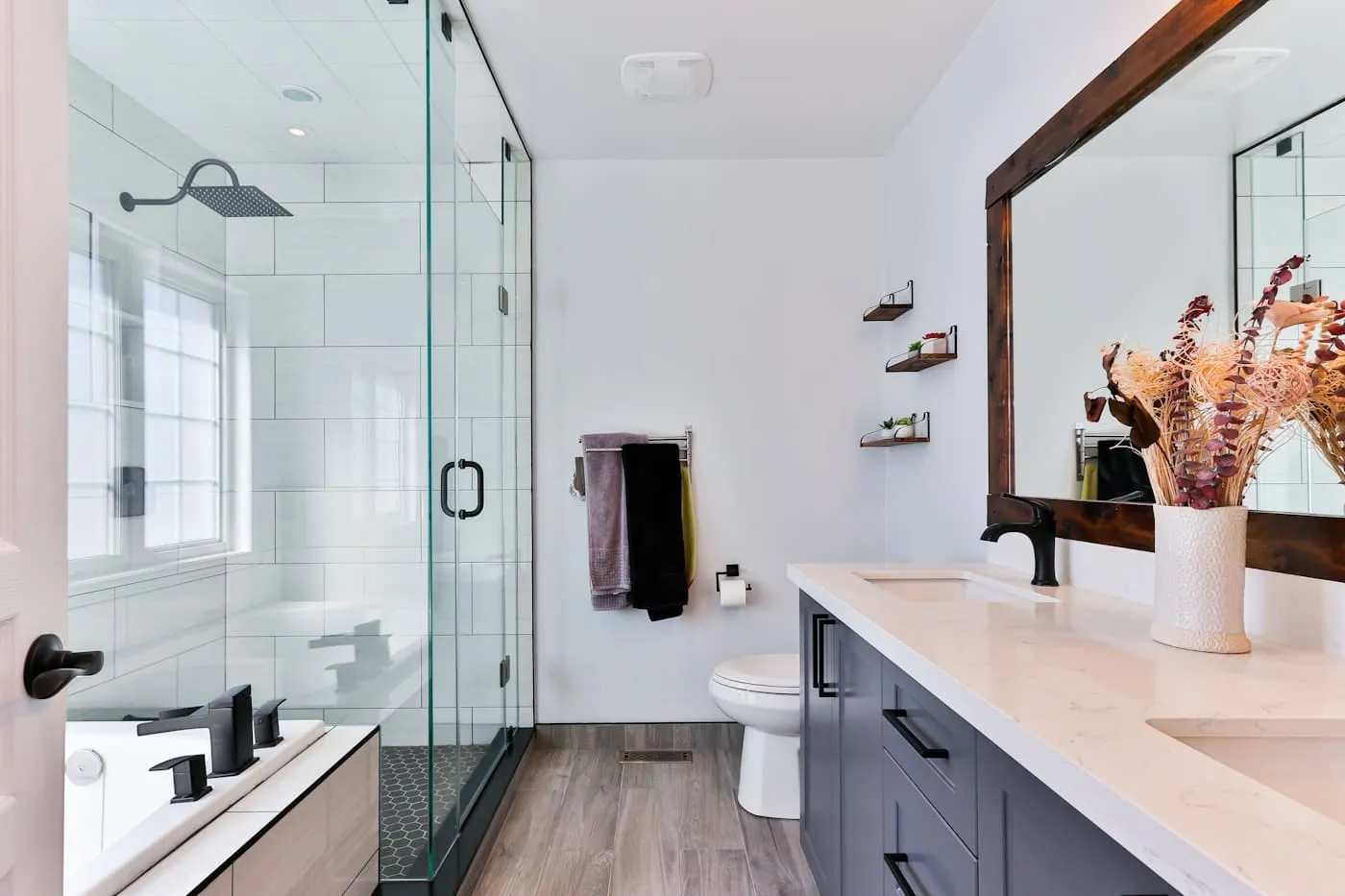
- Bathroom counter: daily-use items only — toothbrush holder, soap dispenser, and one skincare item
- Coffee table: one tray with 2–3 objects (candle, a book, a small plant). Remote control tucked in the tray
When you come home, things go to their homes — not onto surfaces.
Step 3: How Do You Choose a Minimalist Colour Palette?
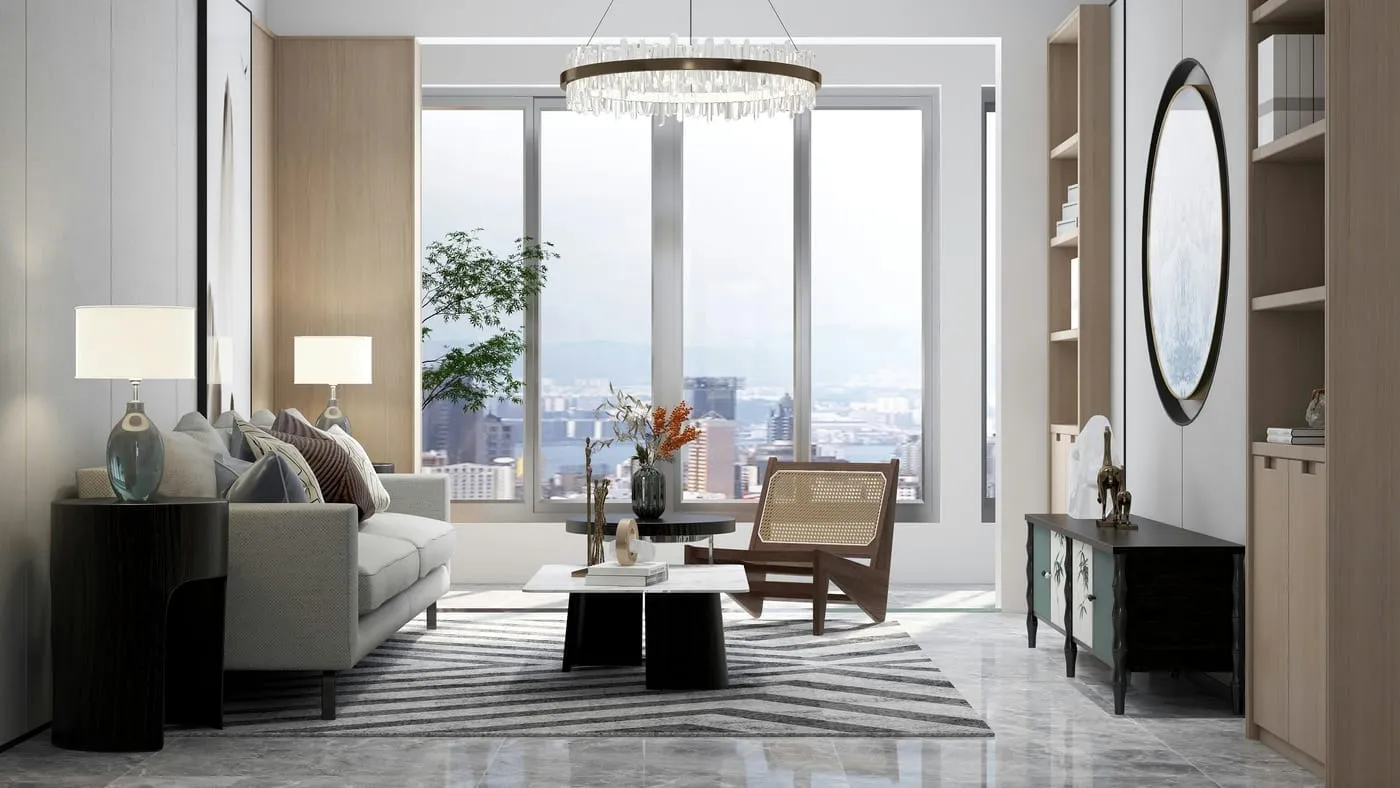
A minimalist apartment has a restrained, cohesive palette. In a small apartment this also makes the space feel larger.
The minimalist colour approach:
- One dominant neutral: white, cream, warm grey, or greige
- One secondary colour: muted, not bright — terracotta, soft sage, dusty blue
- One accent: used sparingly in one or two objects per room
Use this palette for everything: furniture, textiles, art, decor objects. When every piece belongs to the same palette, the apartment reads as one unified, calm space.
Step 4: What Counts as Multi-Functional Furniture?
In a small apartment, every piece of furniture should do at least two things. Minimalism and multi-function are natural partners — fewer pieces that do more.
The IKEA NORDLI storage bed ($399–$699 CAD) and FRIHETEN sofa bed (~$999 CAD) are two examples of furniture that each replace two separate purchases, which is why multi-function pieces let a minimalist apartment need fewer items overall.
Multi-function essentials:
- Storage bed — sleeping and storage. IKEA NORDLI ~$399–$699 CAD
- Storage ottoman — seating, coffee table, and storage. Available at Wayfair Canada and HomeSense in a wide range of sizes and fabrics
- KALLAX bookcase — storage and room divider
- Sofa bed — for anyone who needs guest sleep space (IKEA FRIHETEN ~$999 CAD)
When every piece does multiple jobs, you need fewer pieces total.
Step 5: One Statement Piece Per Room
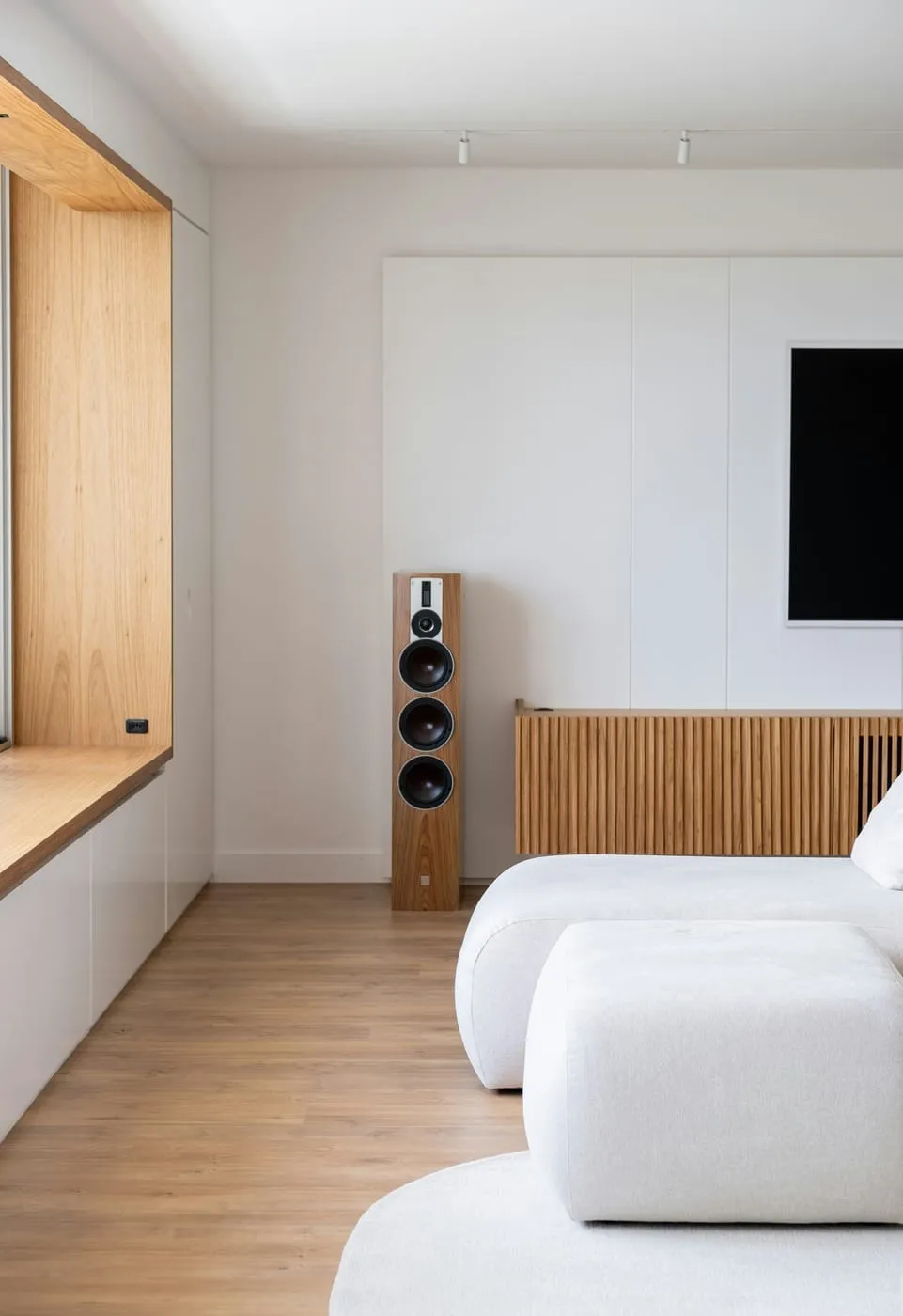
Minimalism does not mean no decor. It means deliberate decor. Each room has one thing it says visually — one focal point that the eye goes to first.
In the living room: a gallery wall or a large piece of art above the sofa. In the bedroom: the bed wall, with a simple headboard and careful lighting. In the kitchen: one beautiful object (a ceramic fruit bowl, one excellent cutting board) that earns its counter space.
The rest of the room supports that one statement. It does not compete with it.
Step 6: Only Plants, Books, and Objects With Meaning
The decor objects in a minimalist apartment are not random. They’re specific.
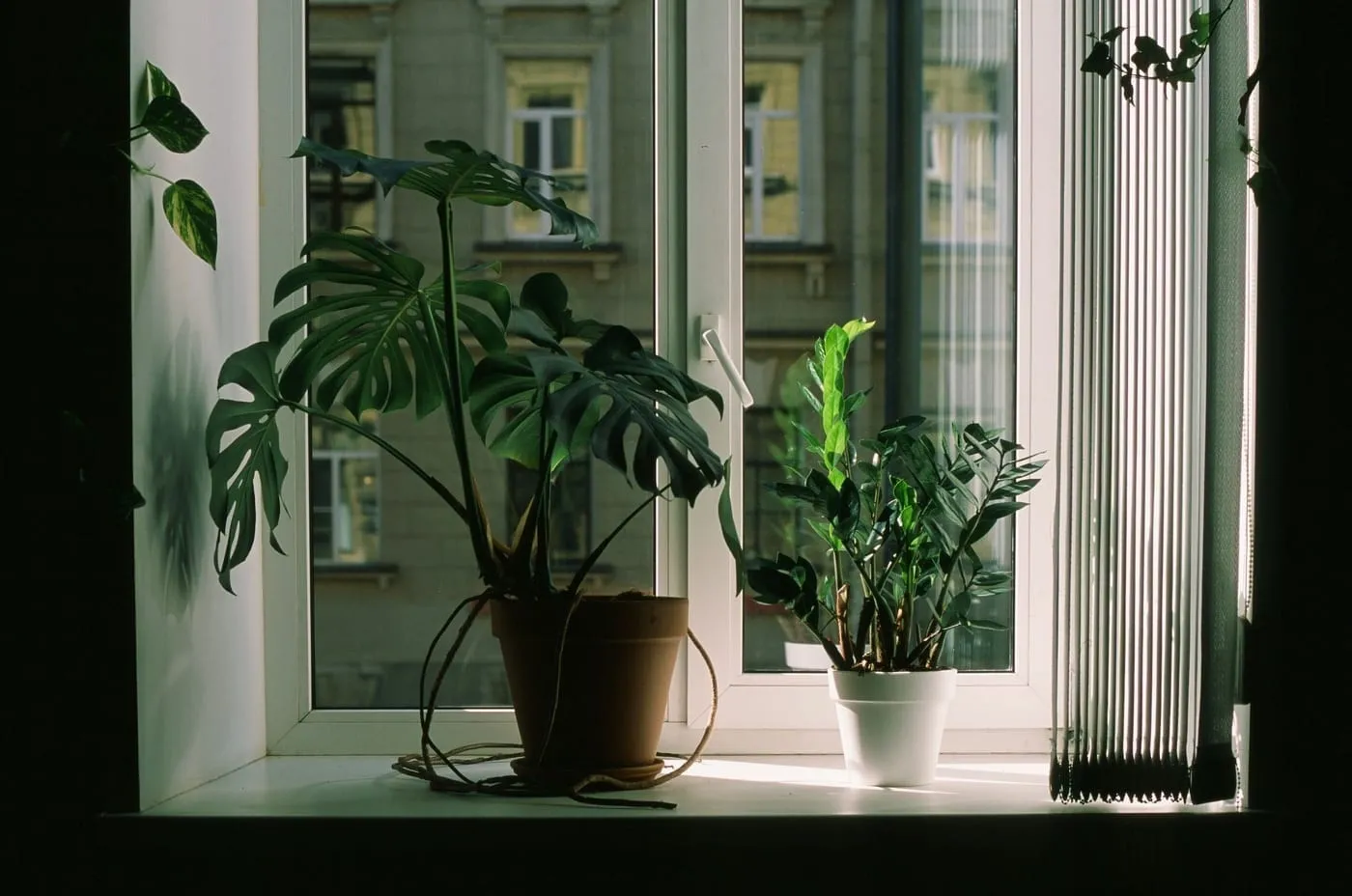
Plants — living, growing, organic texture that no artificial object can replicate. Books — read ones, not display ones. Arranged by colour if they’re on display. Objects with meaning — something you picked up travelling, a piece you saved up for, a family item that belongs to the space.
Everything else is generic fill that could have come from any showroom. If you can’t identify why a specific object is in your home, it probably shouldn’t be.
Step 7: The Ongoing Edit
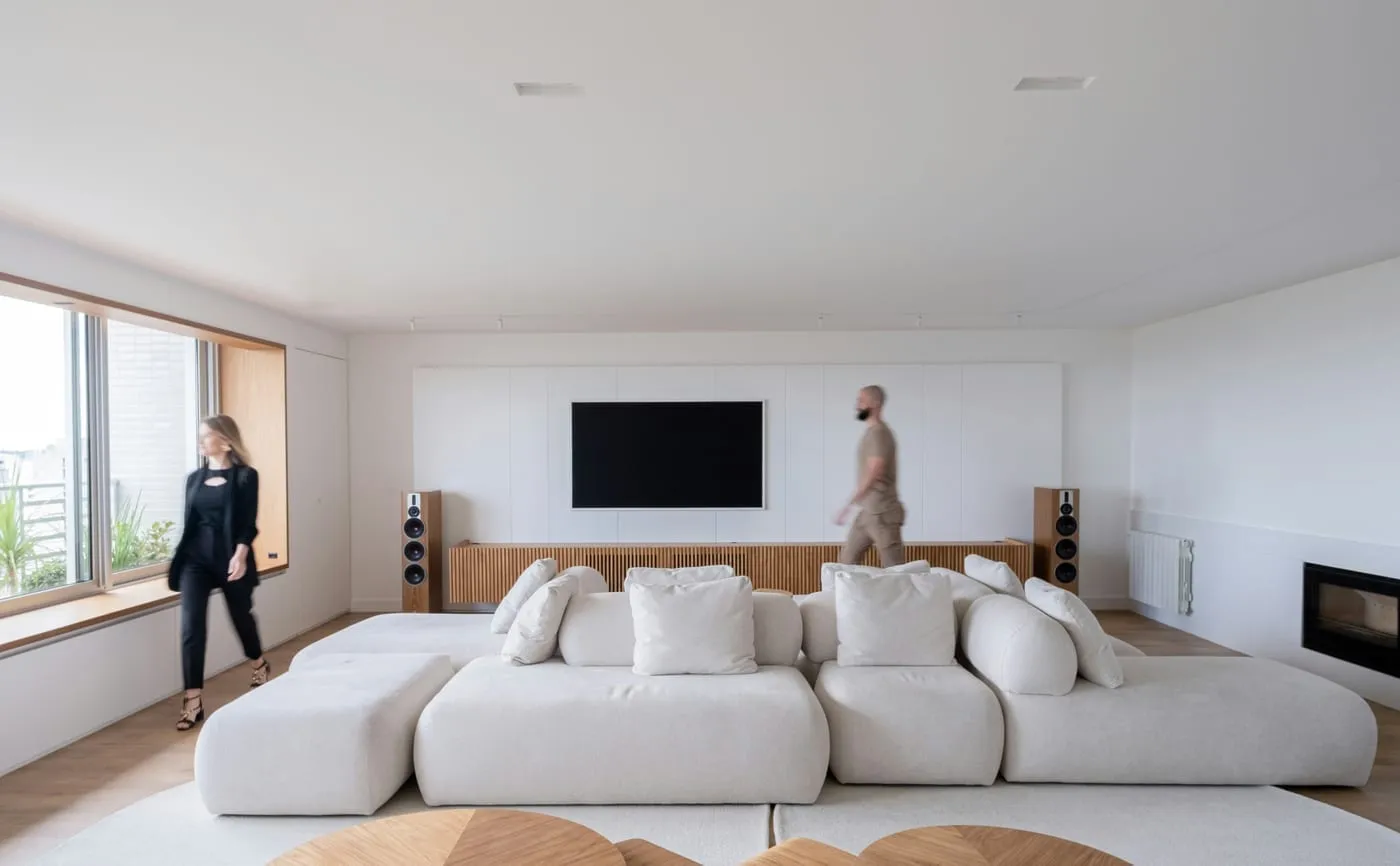
Minimalism is not a project you complete once. Stuff accumulates. Gifts arrive. You buy things that seemed like a good idea. The apartment drifts back toward full.
The maintenance habit: once a season, walk through every room and ask “does this still earn its space?” What doesn’t goes to donation or storage.
Consistent editing is easier than one dramatic purge. A small steady practice prevents the need for a major overhaul.
Where Minimalism Goes Wrong in a Small Apartment
A few habits push minimalism into something colder and less livable than it needs to be — and they’re worth naming, since they’re what turns people off the whole approach.
- Confusing “minimal” with “empty.” A room with nothing on the walls and no texture isn’t minimalist, it’s just bare. The goal is fewer, better objects — not zero objects. One large plant and a single piece of art still reads as calm, not sparse.
- Removing storage before removing stuff. Getting rid of a dresser or bookshelf before you’ve actually reduced what you own just relocates the clutter into a pile on the floor. Declutter first, then decide what furniture you still need.
- Treating it as a one-weekend project. A single aggressive purge feels productive, but without the ongoing seasonal edit (Step 7 above), the apartment drifts back to where it started within a few months. The habit matters more than the initial effort.
- Applying the surfaces rule inconsistently. Keeping one countertop spotless while a closet or drawer becomes a dumping ground for everything removed from view isn’t minimalism — it’s just hiding clutter instead of reducing it.
- Buying “minimalist-looking” replacements instead of using what you have. A perfectly good lamp doesn’t need to be swapped for a more aesthetic one just because it doesn’t match a mood board. That’s still consumption, just dressed in a different style.
The Minimalist Small Apartment Checklist
Before every purchase for the apartment:
- Does it serve a clear function I actually need?
- Does it fit the colour palette?
- Does it replace something, or am I just adding more?
- Will I still want it in two years?
Before buying: one thing in, one thing out.
What Does Minimalism Actually Cost in a Canadian Apartment?
The irony of minimalism: the initial declutter is free. You don’t buy anything. You remove things.
Because minimalism’s only real cost is decluttering time — with occasional targeted purchases to fill a genuine gap — most renters find the net cost of the whole process lands at zero or even negative once impulse spending drops.
The cost of minimalism:
- Donation or disposal of items you remove (typically free)
- Replacement of lower-quality items with one better-quality item (sometimes)
- One or two intentional purchases to fill a gap left by removed clutter (targeted, not habitual)
Net cost: usually zero or negative (savings from stopping impulse purchases).
Minimalism in a small apartment is a practice, not a one-time project. The ongoing edit — once a season, walking through each room and asking “does this still earn its space?” — is what keeps the apartment calm and livable long-term. For more on the visual side of small-space design, small space decorating covers the principles that underpin minimalist and non-minimalist approaches alike. Applied to the bedroom specifically, small bedroom decor ideas shows what a pared-back bedroom looks like in practice.
→ For a practical guide to making any room look bigger using minimalist principles, see how to make a small room look bigger — 13 tricks that cost almost nothing, and small apartment bathroom storage ideas for applying the same surfaces rule to the bathroom counter.