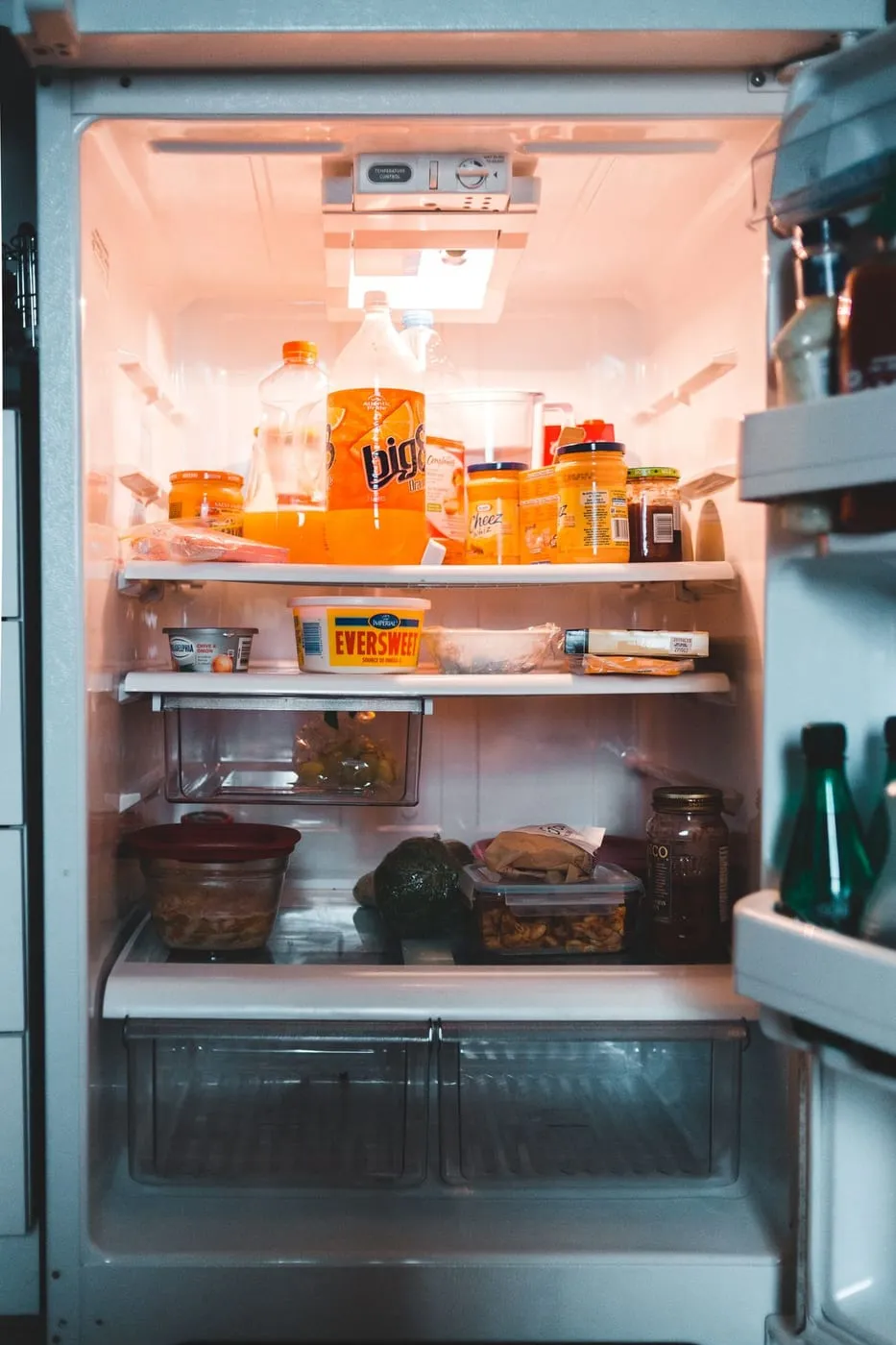
A disorganised fridge wastes food and money. In a small Canadian apartment where the fridge itself may be compact (bar fridge, apartment-size 10–14 cubic foot, or a full-size shared with a roommate), the problem is amplified — items get pushed to the back, forgotten, and thrown out. The average Canadian household wastes approximately $1,300 in food per year, and a significant portion of that is fridge-related spoilage.
The fix is a zone system, not more containers. Containers help, but buying bins before establishing zones just means organised chaos.
Step 1: Clear and Clean
Remove everything from the fridge. Check every item:
Key takeaway: Effective fridge organisation in a small apartment starts with a complete audit: remove everything, discard expired items, consolidate duplicates, and use the remaining items to size the actual storage needed. This prevents buying organisers for food that should have been discarded.
- Expired? Discard
- Condiment with less than one use left? Use it tonight or discard
- Mystery container from two weeks ago? Discard
- Duplicate items (three open jars of the same thing)? Consolidate
This step alone typically frees 20–30% of fridge space. Wipe every shelf and drawer liner before putting anything back.
Step 2: The Zone System
Top shelf — ready to eat
Leftovers, cooked food, deli meats, drinks, yogurt, and anything that needs no further preparation before eating. This shelf should be the most visible and easiest to reach — if something is ready to eat, it should be the first thing you see when you open the door. This reduces the “I don’t know what to eat” problem that leads to ordering takeout when the fridge is actually full.
Temperature note: The top shelf is the warmest part of the fridge (warm air rises). Cooked leftovers and prepared foods are fine here. Raw meat should not go here.
Middle shelf — dairy and eggs
Milk, cheese, butter, and eggs stay at consistent mid-fridge temperature. Eggs do not need a special egg holder — the standard egg carton is fine and takes less space than a fixed egg tray.
Bottom shelf — raw meat and fish
The coldest shelf in the fridge. Raw meat and fish go here, sealed in their original packaging or in a sealed container, placed on a small plate or tray to catch any drips. This prevents cross-contamination with everything below.
Crisper drawers — produce separated
Most apartment fridges have two crisper drawers. Use one for high-humidity produce (leafy greens, broccoli, herbs, cucumber) and one for low-humidity produce (apples, pears, grapes, berries). Check the drawer settings — most have a sliding vent. High humidity = vent closed; low humidity = vent open.
Do not mix: Fruits that produce ethylene gas (apples, pears, stone fruits) accelerate ripening in nearby vegetables. Keep them in separate drawers or at least away from leafy greens.
Door — condiments and drinks only
The door is the warmest, most temperature-variable part of the fridge (it opens and closes constantly). Condiments, juices, water, and high-acid items (ketchup, mustard, hot sauce, salad dressing) belong here. Milk and eggs should never be stored in the door — the temperature fluctuation shortens their shelf life significantly.
Step 3: Clear Bins and Containers
Once the zones are established, bins prevent the “lost at the back of the shelf” problem.
What bins to use
Clear stackable fridge bins (~$5–$10 each at Amazon.ca): Group similar items — one bin for cheese and deli items, one for snacks and grab-and-go items, one for small condiment jars that don’t fit in the door. Slide the bin out to access the back rather than moving individual items.
Lazy Susan (turntable) (~$10–$15, Amazon.ca or Canadian Tire): Place in the back corner of the top or middle shelf for condiments, sauces, and small jars. Spin to access anything without reaching.
Produce wash-and-store containers (~$8–$15 each): Containers with a colander insert — wash produce, drain, store in the container. Berries last 2–3× longer in these than in their original plastic clamshells. The colander keeps moisture from pooling at the bottom.
Can dispenser (~$10–$20, Amazon.ca): A gravity-feed rack that holds canned drinks, loading from the back and dispensing from the front. In a small apartment fridge shared between two people, this keeps cans organised and prevents a fridge full of randomly placed cans.
What to decant and what not to
Worth decanting:
- Leftovers from pots and pans → clear square containers (square containers pack more efficiently than round)
- Bulk items (a large bag of shredded cheese) → a smaller sealed container
- Fresh herbs → a small jar with water (like a bouquet), covered loosely with a bag
Not worth decanting:
- Original packaging that seals well (yogurt tubs, deli containers, cheese packages with resealable zip)
- Small items that will be used within 2 days
What Does Not Belong in a Small Fridge
Removing non-essential items from a small apartment fridge makes a meaningful difference:
| Item | Where it actually belongs |
|---|---|
| Whole tomatoes | Counter (room temperature) |
| Potatoes and sweet potatoes | Cool dark cupboard |
| Onions and garlic | Mesh bag in a cool cupboard |
| Bread | Counter in a bread box or bag, or freezer |
| Hot sauce, soy sauce, ketchup | Cupboard (after opening — fine for months) |
| Honey | Cupboard indefinitely |
| Most cooking oils | Cupboard (except nut oils — those do go in the fridge) |
| Avocados (unripened) | Counter until ripe, then fridge |
Clearing these items can free up an entire shelf in a compact apartment fridge.
Canadian Products for Fridge Organization
| Product | Where | Price CAD |
|---|---|---|
| Clear stackable fridge bins (set of 4) | Amazon.ca | $20–$35 |
| Lazy Susan turntable (25 cm) | Amazon.ca, Canadian Tire | $12–$20 |
| Produce wash-and-store containers | Amazon.ca, Winners | $8–$15 each |
| Can dispenser rack | Amazon.ca | $10–$20 |
| Egg holder (holds 14) | Amazon.ca | $8–$15 |
| Fridge deodorizer (baking soda style) | Canadian Tire, Walmart Canada | $4–$8 |
A full fridge organization kit — 4 bins, a lazy Susan, and produce containers — runs $40–$65 at Amazon.ca. Most people find they need only 3–4 bins to transform the shelf organisation.
For kitchen storage beyond the fridge, small space kitchen organization covers cabinets, counters, and pantry in a small Canadian apartment kitchen. If you’re tackling a broader apartment organisation project, our guide to storage ideas for small places covers every room.