Organizing skincare and makeup in a small apartment comes down to three moves: contain products in acrylic organizers, sort by category with drawer dividers, and purge on a schedule so clutter doesn’t quietly rebuild every season. None of this requires a big bathroom — it requires containers that match how you actually use the products.
This is the beauty-and-skincare-specific companion to my broader small apartment bathroom storage ideas guide, which covers general bathroom storage like shelving and towel systems. This post zooms in on the stuff that actually piles up fastest: serums, palettes, half-used sunscreen, and the seventeen lip products nobody can account for.
TL;DR: Sort skincare into a shallow acrylic tray on the counter ($12–$25 CAD), separate makeup with a drawer organizer or stackable acrylic bins ($15–$30 CAD), add an over-mirror shelf for overflow ($20–$35 CAD), and run a 15-minute expiry check every three months. If bathroom counter space is gone entirely, a small dresser-corner vanity in the bedroom (~$30–$60 CAD, IKEA) solves it without touching the bathroom at all.
Key Takeaways
- Acrylic organizers ($12–$30 CAD) keep skincare and makeup upright, visible, and dust-free on tight counters.
- Drawer dividers turn a junk drawer into sorted zones for brushes, palettes, and skincare backstock.
- A quarterly expiry check (mascara ~3 months, skincare 6–12 months once opened) prevents slow clutter creep.
- A dresser-corner vanity moves makeup out of a shared bathroom entirely for $30–$60 CAD.
Why Does Beauty Product Clutter Build Up So Fast in Small Apartments?
Beauty and skincare clutter grows faster than almost anything else in a small apartment because products arrive constantly (samples, gifts, impulse buys) but rarely get used up before the next one shows up. In my own 510 sq ft Toronto apartment, I counted 34 skincare and makeup items crammed onto an 18-inch counter before I did anything about it.
The problem isn’t the bathroom being small. It’s that liquid and cream products don’t stack, roll around when the counter isn’t level, and don’t have a natural “home” the way folded towels do. Without a container system, everything just accumulates in whatever order it was set down.
That’s different from general bathroom storage, which usually solves for towels, toiletries, and cleaning supplies with shelving. Beauty products need smaller, more specific containment — which is what the rest of this guide covers.
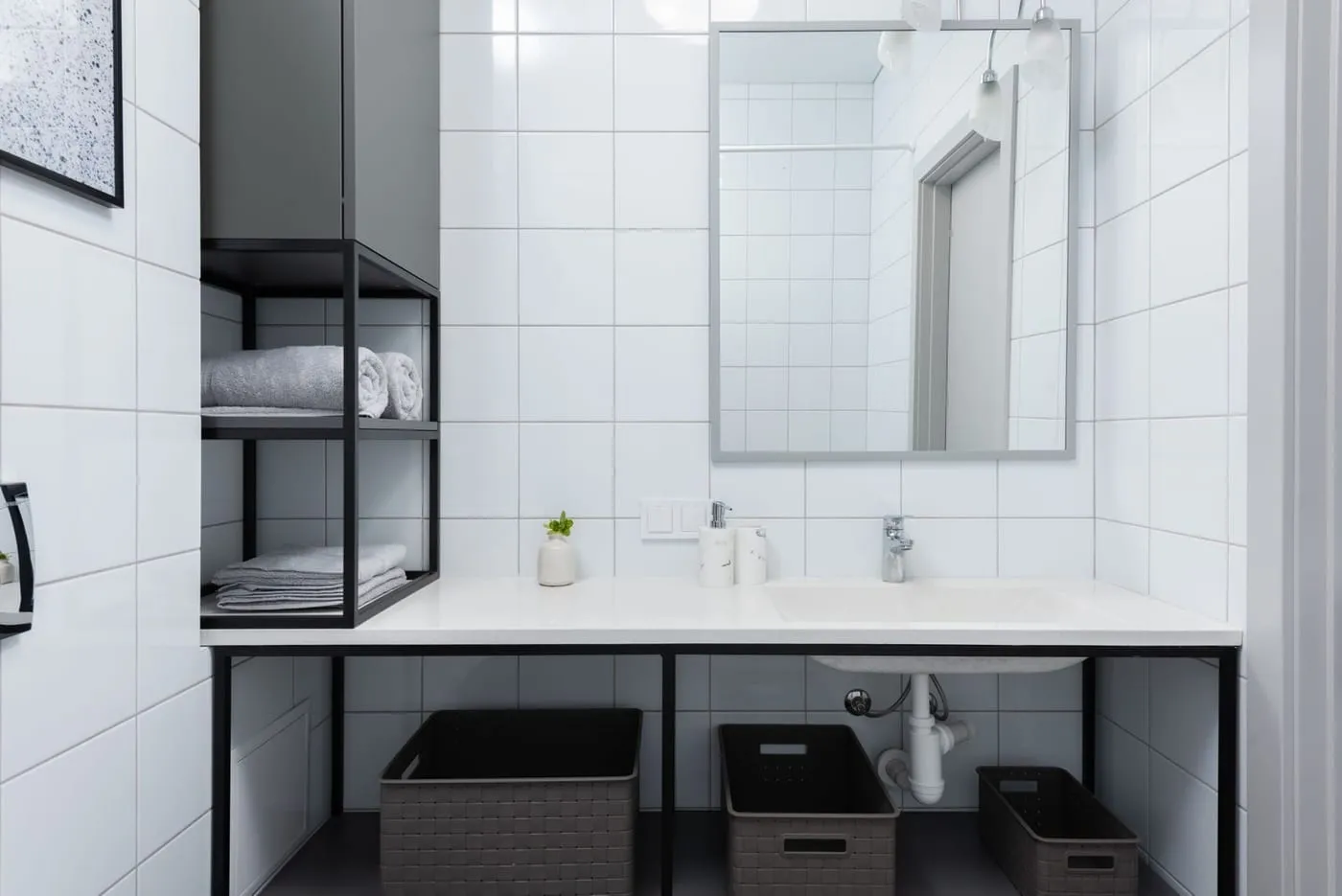
What’s the Best System for Organizing Skincare Products?
A three-tier system works best: an acrylic tray for daily-use items, a labeled drawer for backstock, and a small basket for anything nearing its expiry date. IKEA’s clear acrylic organizers run about $12–$18 CAD, while Amazon.ca sells stackable versions from roughly $15–$25 CAD.
Daily-use tray (counter level). Keep only what you use every day here: cleanser, one moisturizer, sunscreen, and whatever active you’re currently using. Everything else goes into storage. A tray this small forces you to actually finish products instead of opening five moisturizers at once.
Backstock drawer (out of sight). Unopened skincare and duplicates go into a labeled drawer, ideally with dividers so bottles don’t tip. Dollarama sells basic plastic drawer dividers for $1.50–$4 CAD each, which is enough for most bathroom drawers.
Rotation basket. Anything within a month of its expiry date moves to a small basket by the sink as a visual reminder to use it up or toss it. This one habit alone cut my personal skincare pile by almost half within two months.
How Should You Organize Makeup in a Small Bathroom or Bedroom?
Makeup organizes best in shallow, divided containers rather than deep boxes, since deep containers hide items at the bottom and lead to duplicate purchases. Stackable acrylic makeup organizers cost $15–$30 CAD at Amazon.ca or Sephora Canada, and they let you see every product at a glance.
By category, not by brand. Group lip products together, eyes together, face products together. This mirrors how you actually get ready in the morning and cuts decision time.
Reuse Sephora Canada packaging. The small cardboard boxes and drawstring bags Sephora Canada uses for online orders make surprisingly good drawer dividers for brushes and smaller palettes — a free option before buying anything new. Most organizing guides tell you to buy dividers immediately, but testing free packaging first often solves half the problem before spending a dollar.
Vertical brush storage. A small cup or repurposed candle jar holds brushes upright, taking up a fraction of the counter footprint that a flat brush roll needs.
Drawer Dividers: What Actually Fits a Small Bathroom Drawer
| Divider type | Price (CAD) | Best for | Where to buy |
|---|---|---|---|
| Dollarama plastic tray dividers | $1.50–$4 | Small bathroom drawers | Dollarama |
| IKEA SKUBB fabric dividers | $8–$15 | Deeper dresser drawers | IKEA |
| Amazon.ca acrylic makeup drawer organizer | $18–$32 | Dedicated makeup drawer | Amazon.ca |
| Repurposed Sephora Canada boxes | Free | Brushes, small palettes | Reused packaging |
How Do You Set Up a Vanity Tray for Everyday Products?
A vanity tray answers the question of where daily-use products live without them sliding around the counter, and a basic tray costs $10–$20 CAD at IKEA or Dollarama. The tray acts as a visual boundary: if it doesn’t fit on the tray, it doesn’t belong on the counter that day.
Pick a tray with a slight lip or raised edge so bottles don’t slide off when the counter gets bumped, which matters more in older Canadian rental units with uneven flooring than most people expect. Mirrored trays also help bounce light around a small, often window-less rental bathroom.
Keep the tray to five or six items maximum. Once you consistently need more space than that, it’s a sign something belongs in the backstock drawer instead, not a sign you need a bigger tray.
Can Over-Mirror Storage Really Add Useful Space?
Yes, over-mirror storage adds a narrow shelf in space that’s otherwise completely unused above the medicine cabinet or mirror, and tension-mounted versions cost $20–$35 CAD on Amazon.ca without any drilling. This suits rental apartments where damage-deposit rules restrict wall-mounted shelving.
Adhesive hook versions work for lighter items like a small basket of hair ties or a perfume tray, while tension-rod shelves that wedge between the mirror frame and ceiling can hold slightly more weight. Either option adds roughly 6–10 inches of shelf depth without touching the wall.
This pairs well with ideas from my small closet organization ideas for rental apartments post, since the same no-drill, tension-mounted logic applies to closets too — vertical space is the most underused resource in most small Canadian rentals.
What If There’s No Room for Makeup in the Bathroom at All?
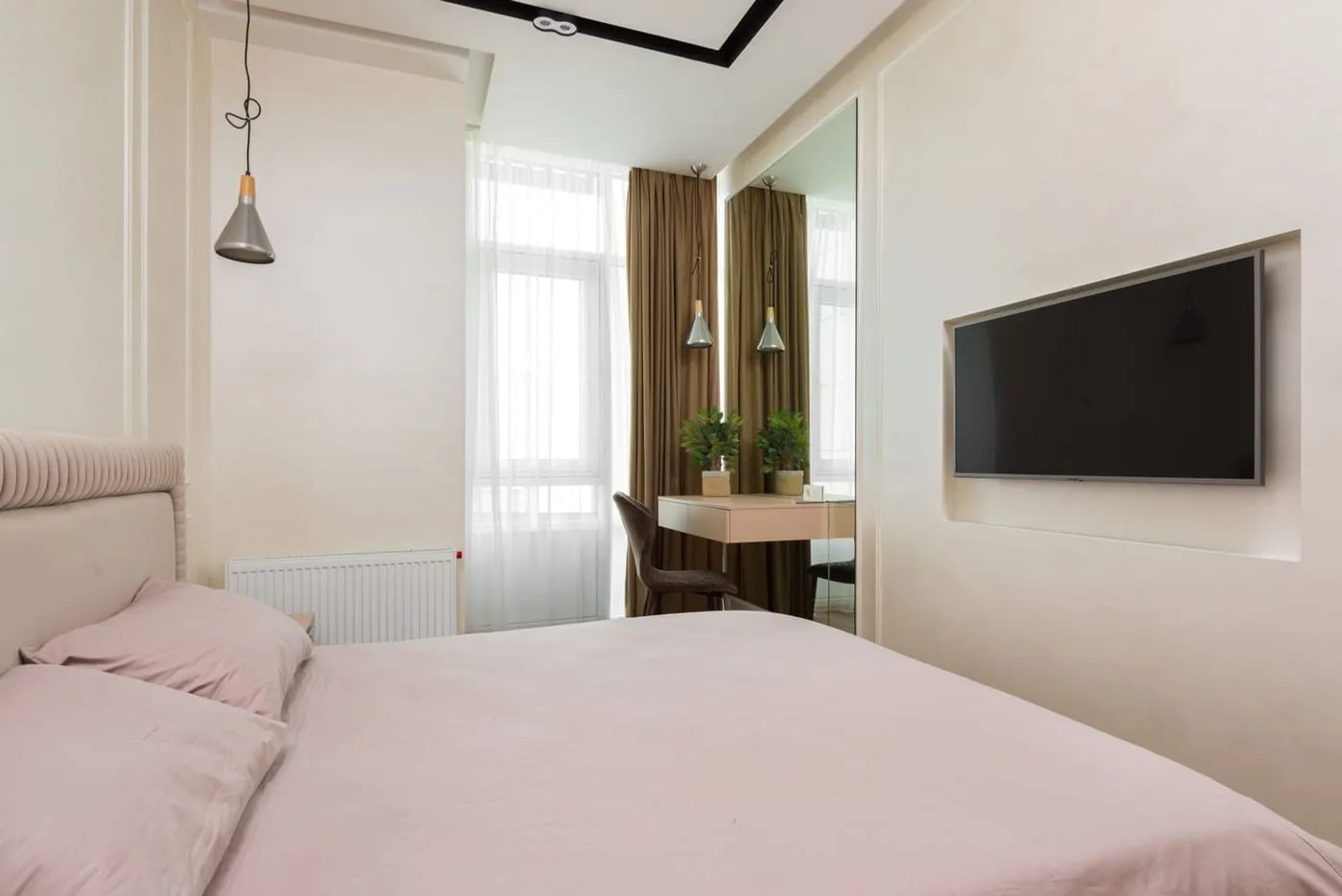
If the bathroom is fully claimed by roommates or family, moving makeup to a small bedroom vanity solves the problem entirely, and an IKEA MICKE-style desk with a mirror costs roughly $30–$60 CAD. This works especially well in shared apartments where bathroom counter space is a constant negotiation.
A dresser-corner setup needs:
- One small desk or dresser top (existing furniture works fine)
- A tabletop mirror ($15–$25 CAD, IKEA or Amazon.ca)
- One acrylic makeup organizer ($15–$30 CAD)
- A small lamp with a warm bulb for better colour accuracy when applying makeup (~$20–$30 CAD)
Total setup cost lands around $50–$85 CAD, and it removes makeup from the bathroom equation completely. When I moved my makeup to a bedroom dresser corner, my bathroom counter item count dropped from 34 to 11 items, and mornings genuinely got faster because I wasn’t sharing counter space with a roommate.
How Often Should You Declutter Expired Beauty Products?
A quarterly 15-minute check keeps expired products from quietly accumulating, since mascara typically lasts about 3 months once opened and most skincare lasts 6–12 months. Tying this check to each season change makes it easier to remember.
What to check each time:
- Mascara and liquid eyeliner (3 months open)
- Sunscreen (check the printed expiry, especially after a Canadian summer of heat exposure)
- Any skincare with active ingredients like vitamin C or retinol (loses potency after 6–12 months)
- Lipstick and lip gloss (12–18 months)
Toss anything that’s changed smell, texture, or colour regardless of the printed date. This one habit prevents the slow rebuild of clutter that undoes every organizing system eventually.
Frequently Asked Questions
How do I organize skincare products in a small apartment? Group products by function in a shallow acrylic organizer on the counter, then move backstock into a labeled drawer or under-sink bin. Acrylic organizers from Amazon.ca or IKEA run $12–$25 CAD.
What’s the best way to store makeup in a small bathroom? Use a stackable acrylic makeup organizer with small compartments ($15–$30 CAD) so brushes, palettes, and lip products stay separated, or use a drawer with dividers if counter space is gone.
How often should I declutter expired skincare and makeup? Check expiry dates every three months, since mascara lasts about 3 months and most skincare lasts 6–12 months once opened.
Do I need a vanity for makeup storage if I don’t have a dressing room? No, a small dresser corner or a $30–$60 CAD IKEA desk with a mirror works fine as a makeup station in a bedroom.
How can I use over-mirror space for beauty storage? A tension-mounted or adhesive-hook mirror shelf ($20–$35 CAD) adds a narrow shelf above the mirror for perfumes and skincare bottles.
Skincare and makeup clutter isn’t a bathroom-size problem, it’s a containment problem. A few acrylic trays, a divided drawer, and a quarterly purge handle almost everything, and a bedroom dresser corner covers the rest if the bathroom’s truly out of room.
→ For the broader bathroom system this guide fits inside, see small apartment bathroom storage ideas.